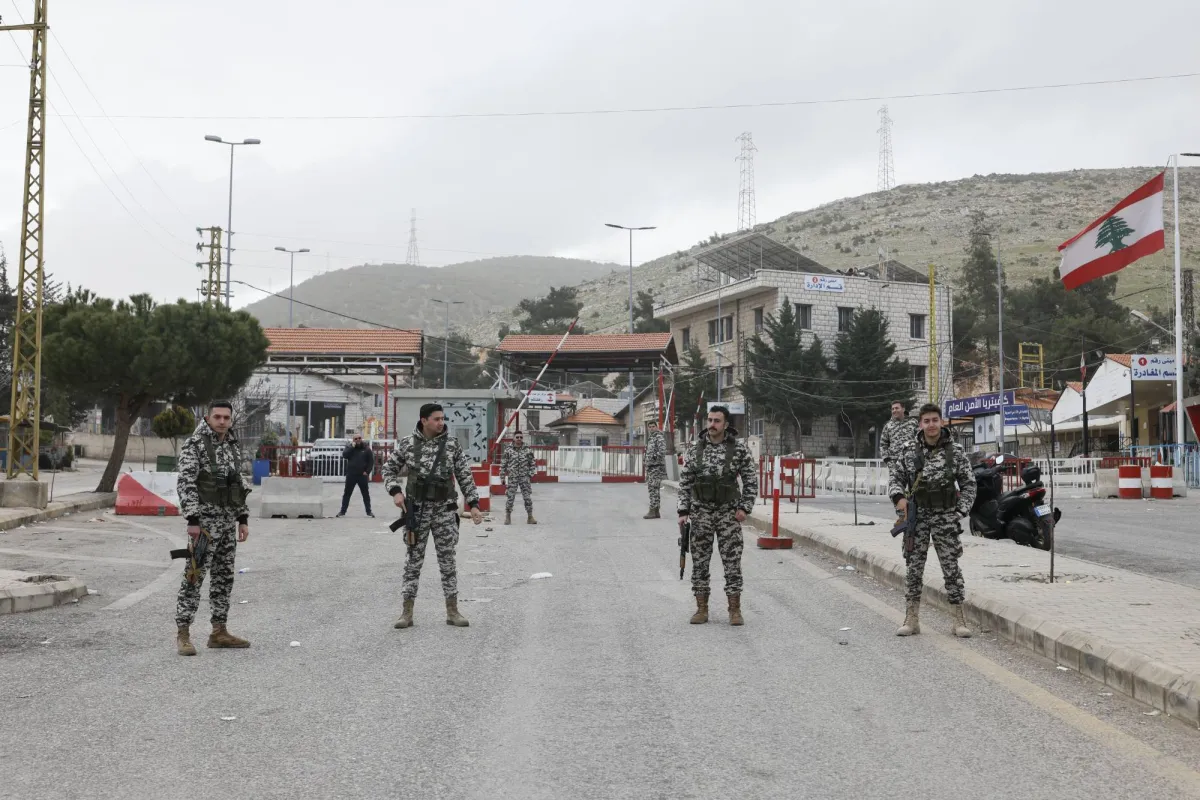
The threat from Israel to bomb the Al-Masnaa crossing (eastern) that connects Lebanon to Syria via the Jdeidet Yabous center puts the United States in a unique position. This threat comes at a sensitive time, as Washington aims to ensure that Lebanese infrastructure, especially those outside military operation zones, is not targeted.
Israeli pressures are seen as part of a strategy aimed at isolating Lebanon from the Arab mainland, which could incite Lebanese citizens against Hezbollah and hold it responsible for restricting aid to displaced persons. Although Israel has kept its warning open, Lebanon is taking this threat seriously, prompting intensified communications with Washington.
Details of the Incident
Lebanese President General Joseph Aoun and Prime Minister Nawaf Salam have been in contact with the American ambassador in Beirut, Michel Aissa, who was on a family vacation. They requested his intervention with Israel to retract its warning, pointing out that its claim of Hezbollah using the crossing for arms smuggling is inaccurate.
These threats have necessitated heightened security measures, with trucks loaded with goods being moved from the crossing to safe locations. A prominent security source confirmed that Lebanon has not received any notification from the mechanism committee overseeing the ceasefire agreement regarding smuggling operations through illegal crossings.
Background & Context
Historically, the Al-Masnaa crossing has faced similar pressures, with Israel previously targeting the road between the crossing and Jdeidet Yabous. This led to the road being cut off for a period before it was repaired with American intervention. The crossing is a vital artery for the Lebanese economy, linking the country to Arab nations and serving as a major outlet for import and export activities.
Amid the economic and living crises that Lebanon is experiencing, the continuation of the Israeli threat to bomb the crossing means Lebanon could be cut off from the Arab mainland, potentially exacerbating current crises. Lebanese officials have warned that closing the crossing will increase the suffering of displaced persons who rely on humanitarian aid.
Impact & Consequences
If Israel carries out its threat, it will isolate Lebanon from its Arab surroundings, increasing economic pressures on the Lebanese government. This could exacerbate social and living crises, especially with over 1.2 million displaced persons in the country.
This threat may also weaken the Lebanese government's position before its people, as it will have to face accusations of failing to protect the country from external threats. This could lead to increased political divisions within Lebanon, complicating the government's efforts to address current crises.
Regional Significance
Israel's threat to bomb the Al-Masnaa crossing represents a new point of tension in relations between Lebanon and Israel, reflecting the security challenges facing the region. This situation may also affect Lebanon's relations with neighboring Arab countries, as Lebanon seeks to enhance regional cooperation in facing economic and security challenges.
At the same time, the continuation of Israeli threats could escalate tensions between Hezbollah and Israel, potentially dragging the region into further conflicts. This necessitates a unified stance from Arab countries to support Lebanon in facing these challenges.
In conclusion, the fate of the Al-Masnaa crossing hangs in the balance, depending on US intervention and its success in convincing Israel to ease its threats. The continuation of the current situation could exacerbate crises in Lebanon and complicate the regional landscape.