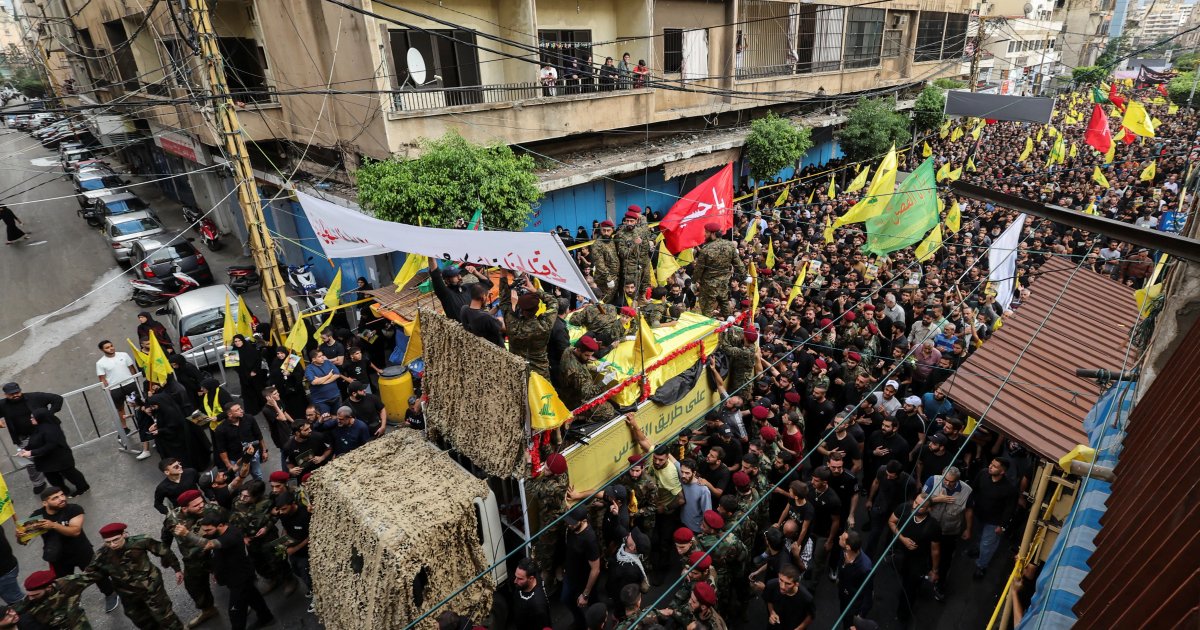
Israel has threatened Hezbollah with severe consequences after the attack on Passover celebrations, with Israeli officials indicating that any assault on civilians will be met with a harsh response. These statements come amid increasing security tensions in the region, raising fears of a potential military escalation between the two parties.
In recent days, there has been a surge in military activities along the Israeli-Lebanese border, with Hezbollah launching rockets into areas near the border, prompting swift reactions from the Israeli side. These events are part of the escalating tensions between the two sides, each viewing the other as a threat to its national security.
Details of the Incident
The targeting of Passover celebrations by Hezbollah has elicited strong reactions from the Israeli government, which deemed this assault as an unacceptable transgression. The Israeli Defense Minister stated that any attack on civilians would not go unpunished, emphasizing that Israel would take all necessary measures to protect its citizens.
He also added that the Israeli army is on high alert and prepared to respond to any potential attack. These statements come amid rising tensions in the region, with the international community closely monitoring the situation.
Background & Context
Historically, relations between Israel and Hezbollah have been marked by ongoing tensions, with the conflict between the two dating back decades, particularly to the 2006 war that resulted in significant losses on both sides. Since then, Hezbollah has continued to bolster its military capabilities, raising concerns in Israel over any potential escalation in the future.
The Passover celebrations are an important religious occasion for Jews, and targeting them represents an unprecedented escalation in the context of the ongoing conflict. These events reflect the increasing tensions in the region, as each party seeks to strengthen its military and political position.
Impact & Consequences
These threats are expected to lead to a potential military escalation between Israel and Hezbollah, which could impact stability across the entire region. In the event of escalation, civilians on both sides may face significant risks, exacerbating the suffering of local populations.
Any military escalation could also affect relations between major powers in the region, as some countries may intervene in the conflict to support one of the parties. This could complicate the situation further and increase the likelihood of a broader conflict erupting.
Regional Significance
These events hold significant importance for the Arab region, reflecting ongoing tensions between regional powers. Any escalation between Israel and Hezbollah could affect stability in neighboring countries such as Lebanon and Syria, increasing the severity of humanitarian and political crises in those nations.
Moreover, the situation could impact peace efforts in the region, as opportunities for dialogue and negotiation may diminish amid rising military tensions. It is crucial for Arab nations and the international community to remain engaged in monitoring the situation and to prevent any further escalation.