Tensions in southern Lebanon are escalating as Israeli Defense Minister Israel Katz vows Hezbollah will pay a heavy price for intensifying attacks during the Jewish Passover. This comes amid ongoing Israeli ground incursions and reciprocal rocket fire.
In a video message, Katz asserted that Hezbollah and its allies would face dire consequences for their increased rocket fire on Israeli civilians, noting that the attacks coincided with the Passover celebrations. He also indicated that Israeli forces would work to purge southern Lebanon of Hezbollah and its supporters.
Details of the Incident
Hezbollah launched a series of rocket attacks on northern Israel, triggering air raid sirens in over 15 locations in the Upper Galilee. The attacks targeted gatherings of Israeli soldiers and vehicles, in addition to bombarding military infrastructure in the Kiryat area north of Haifa.
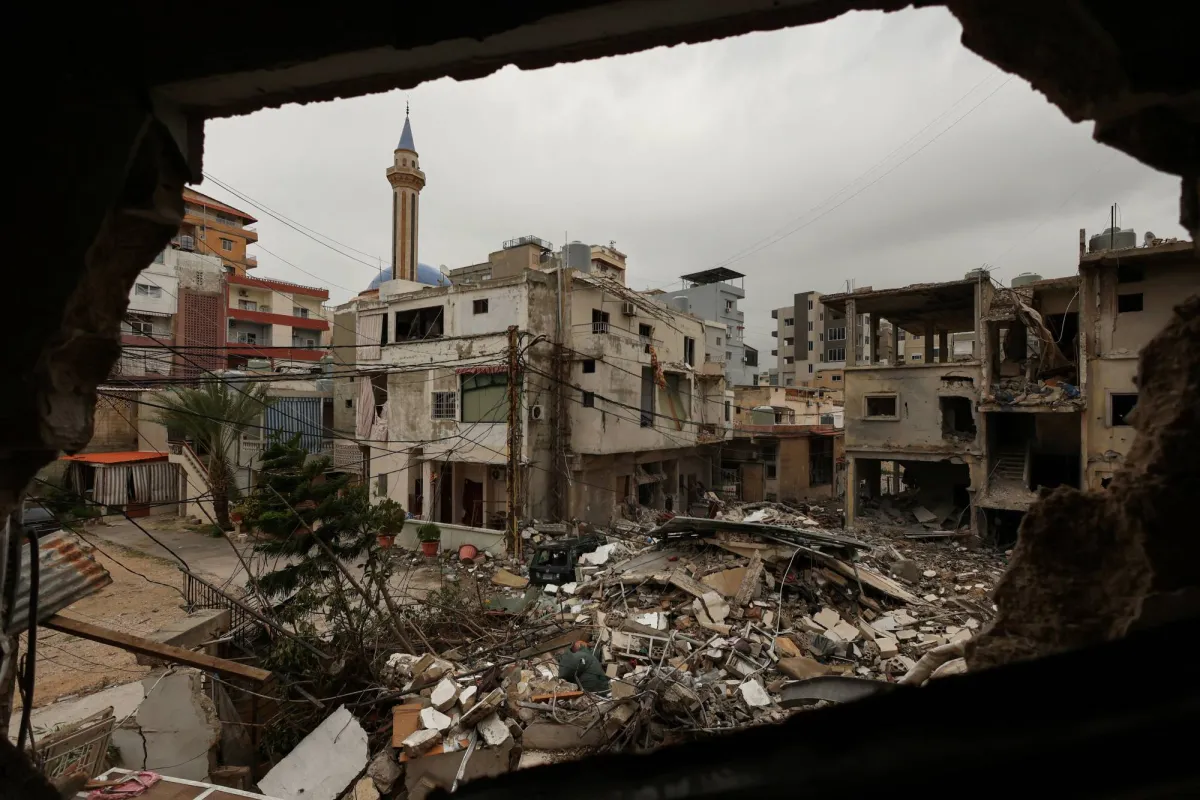
In response, Israeli forces intensified their ground operations, penetrating Lebanese territory to a depth of approximately 14 kilometers, demolishing homes and infrastructure in border villages. These operations have led to widespread destruction in areas such as Naqoura and Debel.
Background & Context
These developments occur amid increasing tensions in Lebanon due to the ongoing conflict between Hezbollah and Israel, which has persisted for decades. The region has witnessed several rounds of military escalation, with both sides periodically exchanging attacks.
Historically, relations between Lebanon and Israel have been strained, marked by multiple wars and conflicts, the most recent being in 2006. Hezbollah, which receives support from Iran, is one of the most prominent armed factions in Lebanon and plays a key role in the conflict against Israel.
Impact & Consequences
Israeli statements indicate that the Israeli government is determined to take stringent measures against Hezbollah, which could lead to further escalation in the conflict. This escalation also reflects broader regional tensions, where the interests of major powers intersect.
These events are likely to exacerbate the humanitarian situation in Lebanon, where civilians are already suffering from the ongoing conflict. Additionally, the military escalation may impact peace and stability efforts in the region.
Regional Significance
These events are particularly significant for the Arab region, reflecting ongoing tensions between armed factions and states. Such escalations may increase political and social divisions in neighboring countries, threatening regional stability.
In light of these circumstances, there remains hope that the involved parties can reach peaceful solutions to avoid further escalation and violence.