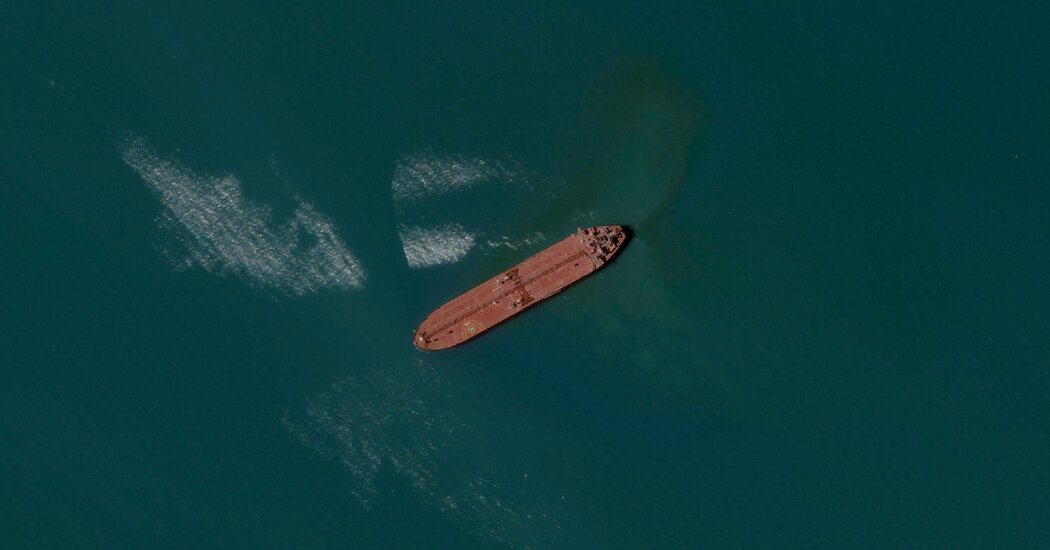
Israel has announced that it successfully thwarted an Iranian plan to target the Baku-Tbilisi-Ceyhan pipeline, which transports oil from Azerbaijan to Turkey, reflecting the rising tensions in the region. This pipeline is considered one of the most important oil transport lines in the world, playing a vital role in securing energy supplies for Europe.
According to reports, the Israeli operation followed the gathering of precise intelligence regarding Iran's intentions. Military sources confirmed that this attack aimed to undermine energy security in the region, which could have wide-ranging implications for global markets.
Details of the Incident
The Iranian attack plan is seen as part of a broader strategy aimed at enhancing Tehran's influence in the region, especially amid ongoing tensions with Israel. This information was revealed during a press conference held in Tel Aviv, where military officials clarified that the attack was imminent.
It is noteworthy that the Baku-Tbilisi-Ceyhan pipeline extends for a distance of 1,768 kilometers and is regarded as one of the most significant strategic projects linking the Caspian Sea to the Mediterranean Sea. Many European countries rely on it to secure their energy supplies, making any threat to it critically important.
Background & Context
Historically, relations between Iran and Israel have been marked by increasing tensions, with both countries exchanging accusations regarding support for armed groups in the region. Iran is also seeking to bolster its influence in countries such as Iraq, Syria, and Lebanon, raising Israel's concerns about its national security.
In recent years, Israel has conducted several military operations against Iranian targets in Syria, viewing these operations as part of its strategy to prevent Iran from strengthening its military presence near its borders. This military escalation reflects the ongoing tensions between the two sides.
Impact & Consequences
Thwarting this attack may strengthen Israel's position in the region and demonstrate its ability to counter Iranian threats. Additionally, this event could lead to heightened tensions between Iran and Western countries, especially given the sanctions imposed on Tehran.
On the other hand, these developments may affect global oil markets, as any threat to oil transport lines could lead to price increases. Oil-importing countries may need to reassess their strategies for securing energy supplies.
Regional Significance
Arab countries are part of the tense regional landscape, where any escalation between Iran and Israel could impact security and stability in the area. Gulf states, which heavily rely on oil supplies, may find themselves in a sensitive position amid these tensions.
Moreover, recent events could affect relations between Arab countries and Iran, as some nations seek to improve ties with Tehran while others emphasize the need to confront Iranian threats. This divergence in positions could complicate the political landscape in the region.