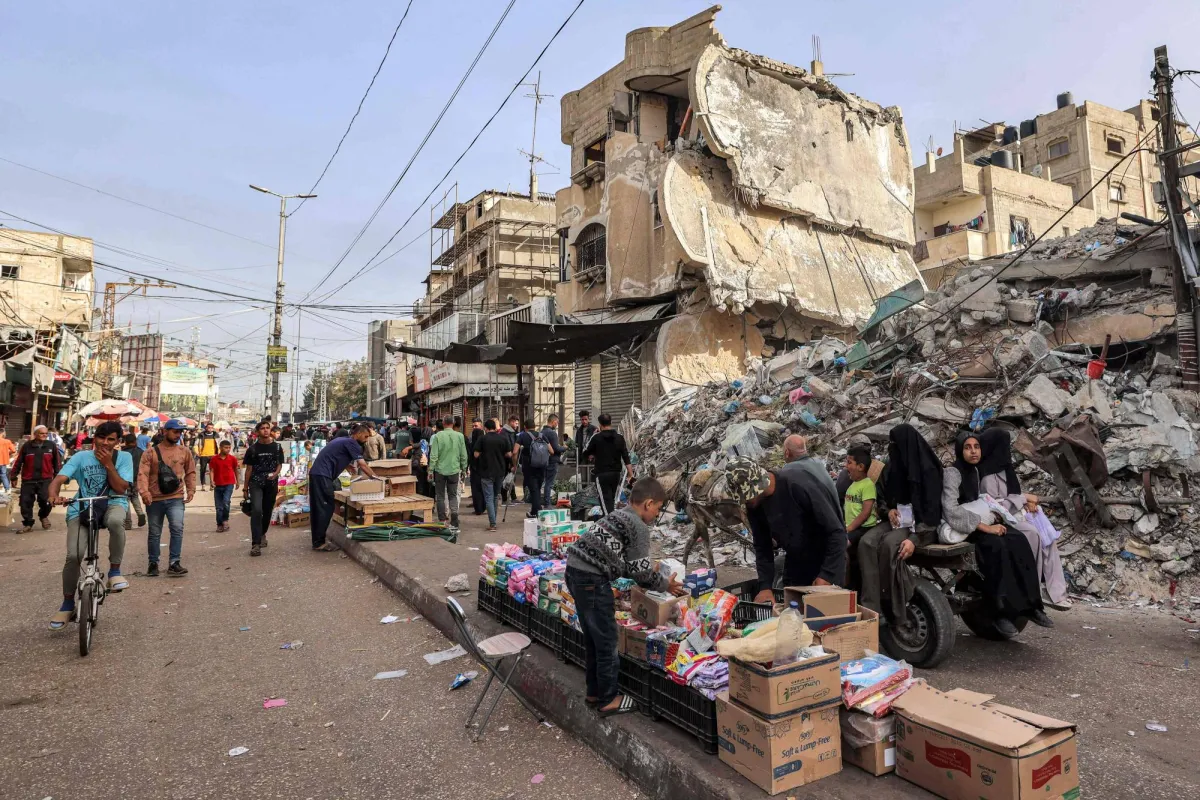
Israel is intensifying its blockade on the Gaza Strip, where over two million Palestinians are facing a suffocating humanitarian crisis. The blockade, aimed at reducing the entry of humanitarian aid and commercial goods, has led to an unprecedented worsening of food shortages and skyrocketing prices.
In these dire circumstances, reports indicate that some members of the Israeli forces have entered the fray to exploit the crisis for personal gain by smuggling goods into Gaza. Investigations conducted by the military prosecutor and the attorney general's office in southern Israel have uncovered a scandal involving two officers, one a reserve major and the other a regular army captain, along with a civilian, in smuggling operations.
Details of the Incident
According to a joint statement issued by the Israeli Security Agency (Shin Bet), the police, and the Israeli army, a prosecution statement has been filed against the two officers and the civilian on suspicion of involvement in smuggling. The investigations revealed that a known smuggler exploited his connections with the reserve officer to explore the possibility of smuggling goods into Gaza, leading to a plan being devised for the operation.
The investigations uncovered that the reserve officer communicated with the regular officer to smuggle prohibited goods, including hundreds of thousands of cigarettes and mobile phones, to individuals inside the Gaza Strip, in exchange for substantial profits. The trucks involved were halted due to a technical malfunction, allowing the civilian to unload the banned goods.
Background & Context
The roots of the Israeli blockade on Gaza trace back to long-standing conflicts between Israel and Palestinian factions, with strict restrictions imposed on the movement of people and goods. These policies have led to a deterioration of the economic and living conditions in the region, where food prices have surged significantly, further increasing the suffering of the population.
For instance, the price of a kilogram of flour has risen from 2 shekels to 10 shekels, and the price of a kilogram of sugar has jumped from 2 shekels to 19 shekels. Cigarette prices in Gaza have also seen a significant increase, reaching 150 shekels for a single cigarette, reflecting the scale of the crisis faced by the residents.
Impact & Consequences
These events highlight the prevalence of corruption within the Israeli army, as some officers exploit the dire humanitarian conditions for personal gain. This scandal could lead to a loss of trust in the military institution and increase pressure on the Israeli government to address the humanitarian crises in Gaza more effectively.
Moreover, the continuation of the blockade and rising prices could exacerbate security conditions in the region, potentially leading to increased protests and confrontations between Palestinians and Israeli forces, further complicating the security situation.
Regional Significance
The situation in Gaza is part of the larger picture of the Arab-Israeli conflict, where humanitarian crises in the region affect relations between Arab states and Israel. The ongoing blockade may heighten tensions in the region and bolster the position of Palestinian factions advocating for resistance.
Ultimately, the situation in Gaza requires urgent international action to end the blockade and provide necessary humanitarian aid to the population, as the continuation of these conditions could lead to serious repercussions for security and stability in the region.