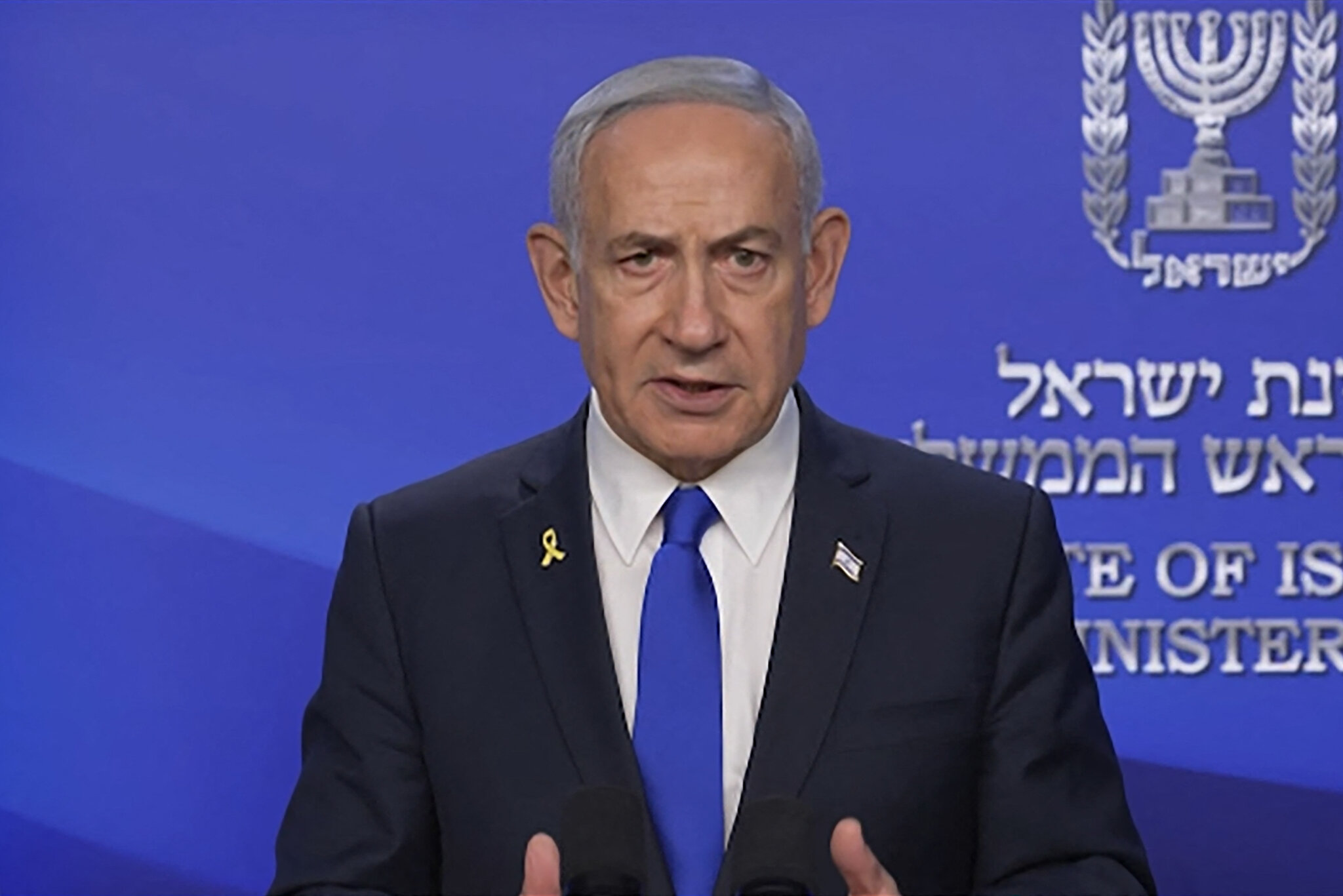
Israeli Prime Minister Benjamin Netanyahu recently announced the urgent need for other countries to join the existing coalition between Israel and the United States to confront the challenges posed by Iran. Netanyahu emphasized that some nations have begun to show their willingness to move in this direction, but he noted that "more" international support is needed.
Netanyahu's statements come at a sensitive time as tensions escalate in the Middle East, with Iran viewed as a major threat to regional security. The Financial Times reported that these remarks reflect a new trend in Israeli policy, as Tel Aviv seeks to strengthen its regional and international alliances to address security challenges.
Details of the Announcement
In his remarks, Netanyahu asserted that Israel and the United States are working together for "the entire world," urging leaders of other nations to take concrete steps to join this coalition. These statements were made amid growing concerns over the Iranian nuclear program, which many leaders in the region consider a threat to national security.
Netanyahu also pointed out that cooperation between Israel and moderate Arab countries could have a significant impact in countering Iranian threats. There appear to be ongoing diplomatic moves between Tel Aviv and several Arab capitals to enhance this cooperation.
Background & Context
Historically, relations between Israel and Arab countries have been tense, but recent years have seen notable shifts, especially following normalization agreements reached with some Arab nations. These agreements have opened the door to greater security and economic cooperation, reflecting a change in regional dynamics.
Iran, for its part, views these moves as a threat to its interests and has responded by increasing its military activities in the region. Tehran is also seeking to bolster its influence in Iraq, Syria, and Lebanon, complicating the security landscape in the Middle East.
Impact & Consequences
If other countries join the coalition against Iran, it could lead to a radical shift in the balance of power in the region. New alliances may enhance Israel's capacity to confront security threats, but they could also escalate tensions with Iran and its allies.
The potential consequences include an increase in military activities, either by Israel or Iran, which could threaten regional stability. Any escalation in the conflict may also impact the global economy, particularly in energy sectors.
Regional Significance
For Arab countries, joining this coalition could provide an opportunity to strengthen their national security, but it may also place them in a precarious position vis-à-vis Iran. Many Arab nations face internal and external challenges, and engaging in a new conflict could exacerbate these issues.
Ultimately, the question remains how Arab nations will balance their national interests with their commitments to new alliances. Any movement in this direction requires careful consideration of the potential impacts on security and stability in the region.