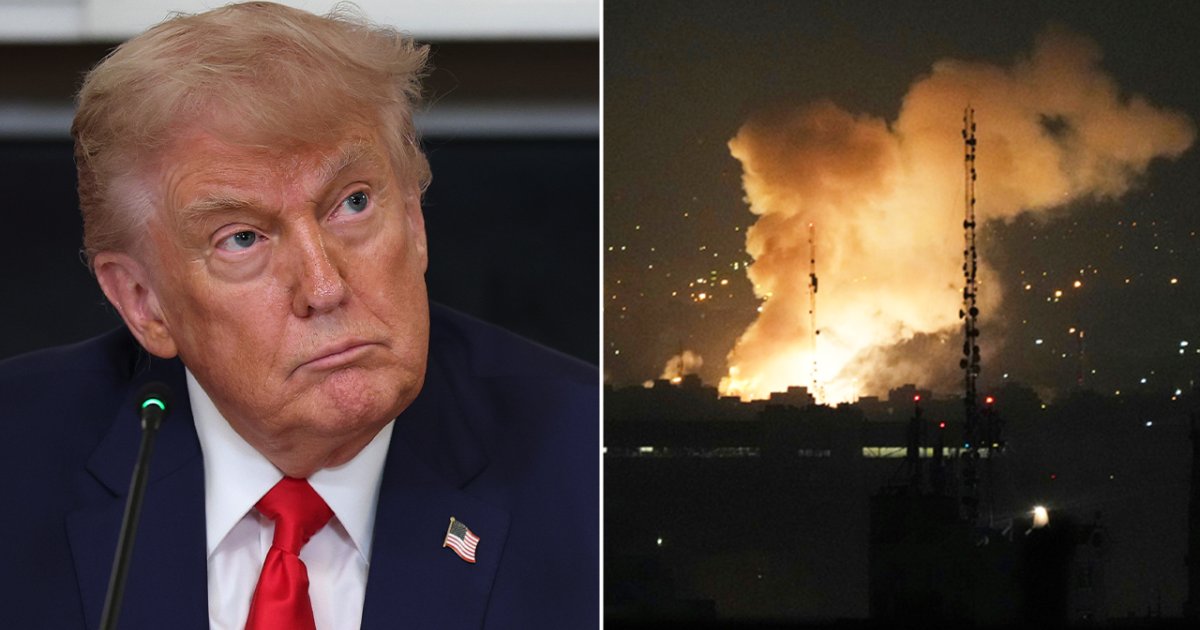
On the morning of Saturday, February 28, 2026, Israel and the United States launched a comprehensive war against Iran, targeting hundreds of security, military, and sovereign sites. This operation resulted in the assassination of a significant number of Iranian regime leaders, including the Supreme Leader, Ali Khamenei.
This war intertwines two main frameworks: the geopolitical framework aiming to change the Middle East and the international relations framework seeking to reshape the global order in line with President Donald Trump's vision of "Making America Great Again."
Details of the Event
Through this war, Israel aims to achieve its historical goal of altering the geopolitical landscape of the Middle East, a goal that is no longer hidden from anyone, as it resonates in the speeches of its military and political leaders. This objective has been particularly associated with Israeli Prime Minister Benjamin Netanyahu, who has emphasized it during previous conflicts, such as the Gaza War.
The roots of the idea of changing the Middle East trace back to the "periphery doctrine" proposed by David Ben-Gurion, Israel's first Prime Minister, which aimed to secure the existence of the Israeli occupation and strengthen its power in the face of diplomatic isolation. Over time, regional equations have changed, with some countries previously considered peripheral, such as Turkey and Iran, becoming centers of power competing with Israel.
Context and Background
Historically, the "periphery doctrine" aimed to enhance Israel's presence through rapprochement with religious and ethnic minorities in the region, such as the Maronites in Lebanon and the Kurdish people in Iraq. However, regional equations have shifted, with Iran and Turkey emerging as competing powers, prompting Israel to expand its policy to include new countries.
During his speech at the United Nations General Assembly in September 2023, Netanyahu presented a new map of the Middle East, divided into two sections: Israel's allies and enemies, with a complete absence of Palestine. This map reflects a new Israeli vision aimed at reshaping the region in accordance with its interests.
Impact and Consequences
If Israel succeeds in achieving its objectives through this war, it will lead to a radical change in the regional balance of power, as it will eliminate the threats posed by Iran, including its nuclear program and the armed proxy network associated with it. This change could enable Israel to establish a new regional order that enhances its strategic superiority.
On the other hand, the war also reflects the broader American agenda to change the international order, as Trump seeks to reshape a system that no longer serves American interests. The Middle East, as a major source of energy, holds particular significance in this strategy.
Impact on the Arab Region
This war significantly affects the Arab region, as it may escalate tensions between regional powers, especially with Iran as a key player in the conflict. The outcomes of the war could reshape alliances in the region, negatively impacting security and stability in Arab countries.
In conclusion, the war on Iran represents a turning point in the regional and international conflict, where Israeli and American objectives intertwine in their quest to alter the balance of power in the Middle East, potentially leading to far-reaching consequences for the entire region.