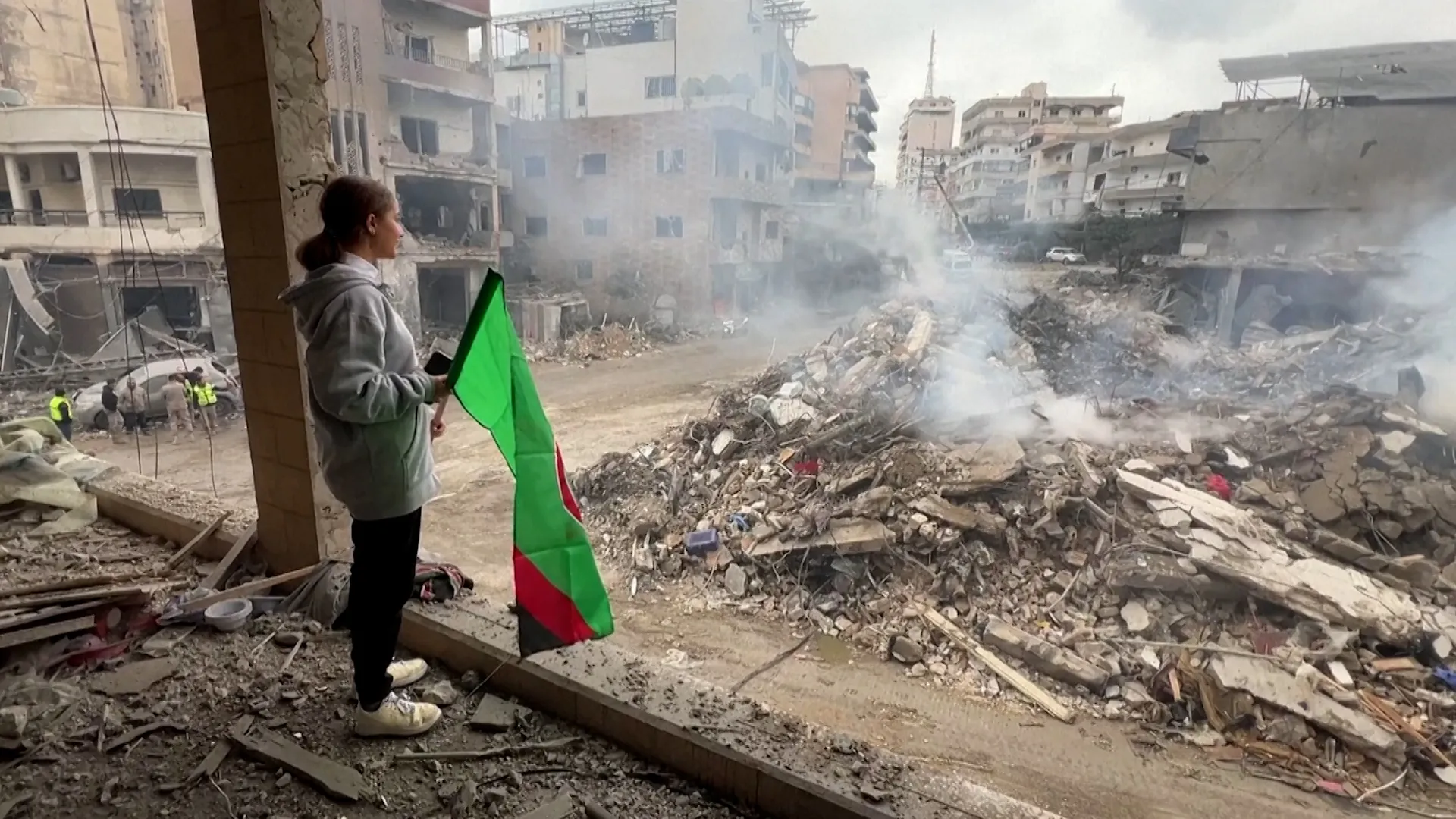
The Israeli army has warned that the anticipated two-week ceasefire may achieve Hezbollah's objectives, which has engaged in the conflict for strategic reasons. This warning raises urgent questions about the effectiveness of this agreement in addressing ongoing threats, especially in light of the absence of fundamental changes in the Iranian regime.
As the international community seeks to achieve peace, this agreement may provide Hezbollah with an opportunity to enhance its military and political capabilities. Some observers have pointed out that this situation could exacerbate tensions in the region, undermining peace efforts.
Details of the Ceasefire Agreement
The announced ceasefire agreement comes at a sensitive time, with increasing concerns about a potential escalation in the conflict. The Israeli army believes that this agreement may allow Hezbollah to reorganize and strengthen its military capabilities, which could worsen the security situation in the region.
Questions regarding the effectiveness of this agreement relate to its impact on Iranian threats, particularly given the ongoing nuclear and missile activities. Will this agreement lead to a reduction in these threats, or will it strengthen Iran and its allies' position in the region?
Background & Context
Historically, the region has witnessed numerous conflicts with far-reaching implications. Hezbollah, considered one of Iran's military arms in the region, has played a pivotal role in previous conflicts. It is well-known that Iran supports the group with weapons and technology, complicating the security landscape.
Previous agreements have not led to fundamental changes in Iranian policy, raising questions about whether this new agreement will have a different impact. Under these circumstances, the question remains: can this agreement lead to a real change in Iranian policy, or is it merely a temporary measure?
Impact & Consequences
The potential consequences of this agreement could be far-reaching. If Hezbollah manages to enhance its capabilities during the ceasefire period, it may lead to an escalation of the conflict in the future. Additionally, this situation could weaken Israel's position in the face of Iranian threats, further complicating the security landscape in the region.
Moreover, these developments may affect relations between major powers in the region, especially amid ongoing tensions between the United States and Iran. How will major powers respond to this situation? Will they intervene more, or will they avoid escalation?
Regional Significance
This situation could have significant implications for neighboring Arab countries. Amid rising tensions, some Arab nations may feel the need to bolster their military capabilities to confront potential threats. Additionally, this situation may exacerbate internal divisions within some countries, complicating the political landscape.
Ultimately, there is hope that this agreement will lead to peace and stability in the region. However, under current circumstances, challenges remain, necessitating ongoing efforts from all parties involved.