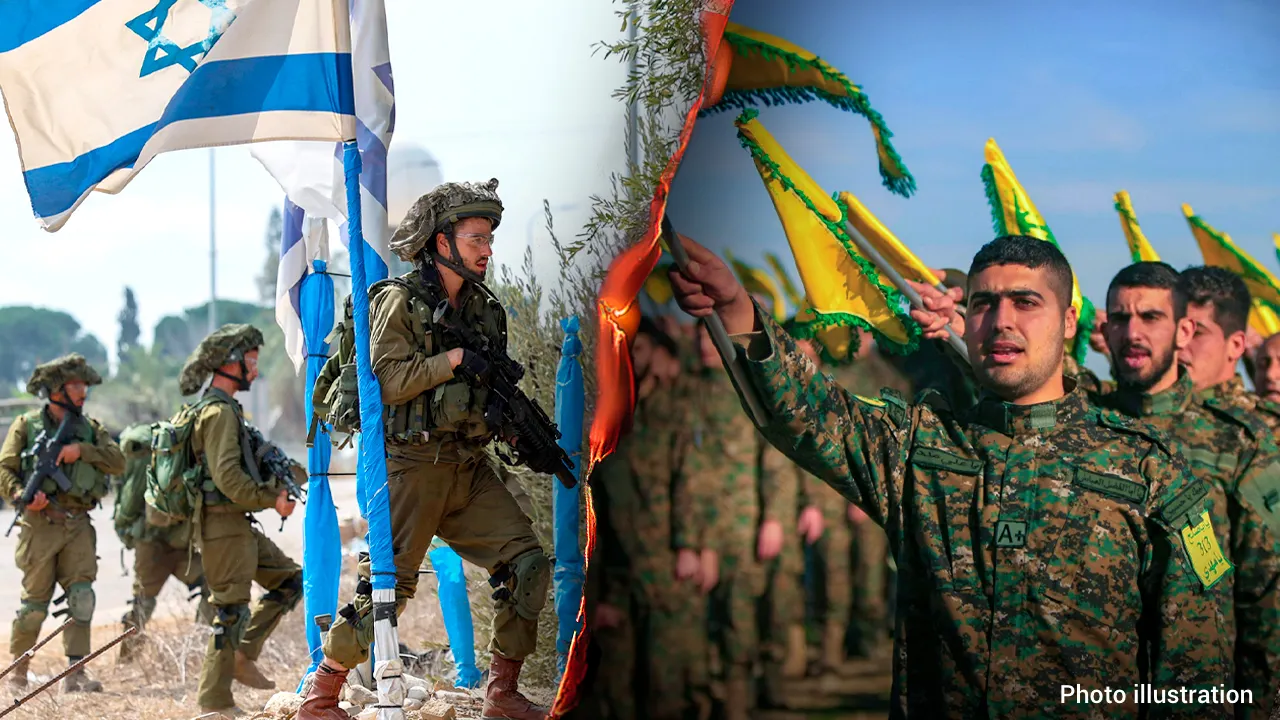
On Wednesday, Israel warned money exchangers who serve Hezbollah, asserting that they will be targeted unless they halt their funding activities for the group. This warning comes at a time of escalating tensions in the region, as Israel aims to undermine the financial resources that armed groups rely on.
This move is part of Israel's broader strategy to confront Hezbollah, which it describes as a major threat to its national security. Israeli authorities have confirmed that they will not hesitate to take strict action against anyone contributing to the financing of the group's activities, whether through money transfers or logistical support.
Details of the Warning
In the statement issued, Israeli authorities indicated that money exchangers dealing with Hezbollah directly contribute to enhancing the group's military capabilities. They clarified that these activities pose a significant risk to Israeli security, necessitating immediate action. They also emphasized that they will track these exchangers and identify them, which could lead to legal sanctions against them.
These warnings come amid increased military activities by Hezbollah along the Lebanese-Israeli border, where the region has recently witnessed several clashes and heightened tensions. Hezbollah is considered one of the most prominent armed groups in the area, possessing a stockpile of weapons that threaten Israeli security.
Background & Context
Hezbollah was founded in 1982 during the Israeli invasion of Lebanon, and since then, it has become a key player in both the Lebanese and regional conflicts. The group relies on a network of funding that includes donations from individuals and states, in addition to commercial activities. Israel has repeatedly attempted to undermine this network by targeting funding sources.
In recent years, international pressure on Hezbollah has increased, with economic sanctions imposed on some of its members and institutions. However, the group still maintains its military capabilities and is considered a significant force in Lebanese politics.
Impact & Consequences
The Israeli warnings could escalate tensions in the region, as money exchangers may feel threatened, prompting them to reassess their activities. Additionally, this warning could affect relations between Lebanon and Israel, potentially leading to reactions from the Lebanese government or even from the international community.
If Israel continues to carry out its threats, we may witness an escalation in military operations or retaliatory attacks from Hezbollah. This could lead to further instability in the region, affecting civilians and intensifying the conflict.
Regional Significance
These warnings are part of the broader conflict between Israel and Hezbollah, which has implications for regional security. Any escalation in this conflict could impact neighboring countries, such as Syria and Lebanon, potentially leading to refugee flows or increased sectarian tensions.
Moreover, the Israeli warnings may affect relations between Arab states and Israel, as they could provoke reactions from some countries that support Hezbollah or view it as part of the resistance against occupation.
In light of these tense circumstances, the question remains how money exchangers will respond to this warning and whether Israel will follow through on its threats. Upcoming developments may carry significant implications for security and stability in the region.