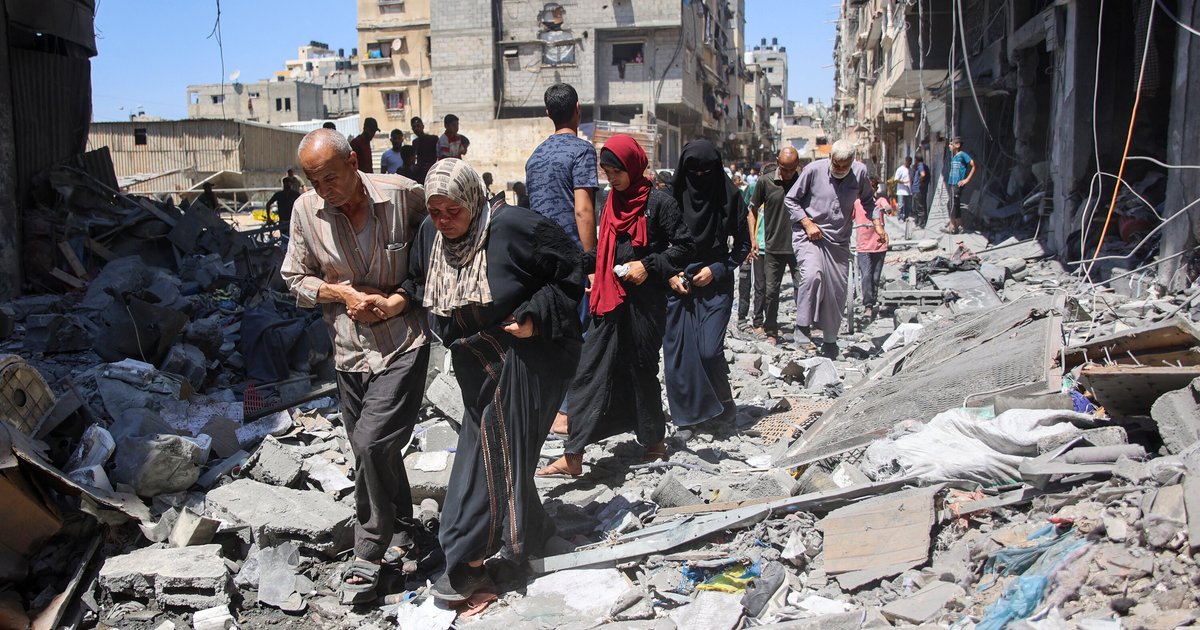
Israel's ongoing wars continue to affect regional stability, with tensions escalating amid persistent conflicts. These wars are not merely military disputes; they reflect deeper struggles related to identity and sovereignty.
Historically, Israeli wars have been multidimensional, encompassing conflicts against neighboring Arab states as well as internal struggles with Palestinians. Since the establishment of the State of Israel in 1948, the region has witnessed a series of conflicts that have led to radical changes in the political and geographical landscape of the Middle East.
Details of the Current Conflict
In recent years, the intensity of conflicts in the region has escalated, with Israel experiencing an increase in military operations against Palestinian factions in Gaza and the West Bank. Additionally, tensions with Iran and its allies in the region have complicated the security landscape. Reports indicate that these wars have resulted in significant human and material losses, directly impacting civilian lives.
The reasons behind these wars are manifold, ranging from territorial disputes to religious and cultural differences, and extending to political tensions. External interventions, whether from the United States or other countries, also play a significant role in fueling these conflicts.
Background & Context
The roots of the Israeli-Palestinian conflict trace back to the early 20th century, when Jewish migrations to Palestine began under British mandate. With the declaration of the State of Israel, the 1948 War erupted, leading to the displacement of hundreds of thousands of Palestinians. Since then, the region has experienced a series of wars and conflicts, including the 1967 War and the 1982 Lebanon War.
In recent years, wars have taken on a new character, with military operations becoming more complex, utilizing modern technology such as drones. Additionally, conflicts have become intertwined with humanitarian crises, further exacerbating civilian suffering.
Impact & Consequences
Israeli wars significantly impact regional stability. Ongoing conflicts hinder peace efforts and increase uncertainty in the region. Moreover, disputes lead to a rise in violence and extremism, threatening both regional and international security.
Furthermore, wars affect both the Palestinian and Israeli economies. Military operations have led to the destruction of infrastructure in Gaza, increasing the suffering of the population and hindering reconstruction efforts. Tensions also impact investments and tourism in the region, negatively reflecting on the Israeli economy.
Regional Significance
Israeli wars are part of a broader conflict involving Arab states. The Israeli-Palestinian conflict affects relations between Arab countries and Israel, forming a central axis in regional politics. Additionally, disputes lead to divisions of opinion within Arab communities, with varying support for military interventions.
Ultimately, Israel's wars persist, necessitating vigorous international efforts to find peaceful solutions. Achieving peace requires mutual understanding and respect, which seems distant under current circumstances.