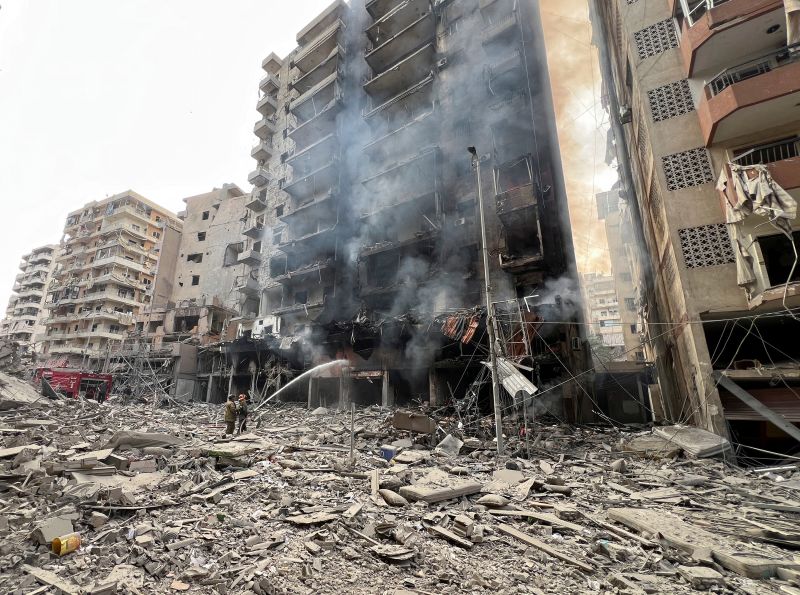
Local sources report that the recent Israeli aggression on Lebanon has resulted in the deaths of 1318 individuals, amidst escalating conflict between the two sides. This escalation comes amid deteriorating humanitarian conditions in the country, where civilians are suffering from the ongoing bombardment.
Israeli military operations continue across various Lebanese regions, leading to the destruction of numerous homes and infrastructure. These events have sparked widespread condemnation from the international community, which has called for an immediate cessation of hostilities and the protection of civilians.
Details of the Incident
Since the onset of the aggression, many Lebanese areas have been subjected to aerial and artillery bombardments, resulting in a significant number of casualties. Numerous cases of displacement have been documented, with thousands of Lebanese forced to leave their homes in search of safety.
Reports indicate that hospitals in Lebanon are under immense pressure due to the increasing number of injured, exacerbating the health crisis in the country. Medical professionals have issued urgent calls for the necessary medical assistance.
Background & Context
Historically, Lebanon has witnessed multiple conflicts with Israel, with several rounds of violence occurring over the decades. The recent aggression occurs in the context of rising tensions in the region, where political and military dimensions intertwine complexly.
It is noteworthy that the situation in Lebanon has worsened following the economic crisis that the country has experienced, making civilians more vulnerable to the repercussions of the conflict. These conditions have intensified public discontent towards local and international governments.
Impact & Consequences
The repercussions of the Israeli aggression extend beyond Lebanese borders, affecting regional stability as a whole. Several Arab countries have expressed concern over the escalation of violence, which could lead to the outbreak of new conflicts in the region.
Moreover, these events may impact relations between Lebanon and Western countries, as pressures on the Lebanese government to make political concessions may increase under these difficult circumstances.
Regional Significance
The events in Lebanon are part of a larger picture of the Arab-Israeli conflict, raising widespread concern in neighboring Arab countries. These developments have led to increasing calls for Arab solidarity with Lebanon in the face of aggression.
In conclusion, the situation in Lebanon remains complex, with humanitarian and political dimensions deeply intertwined. An urgent response from the international community is required to protect civilians and provide necessary assistance.