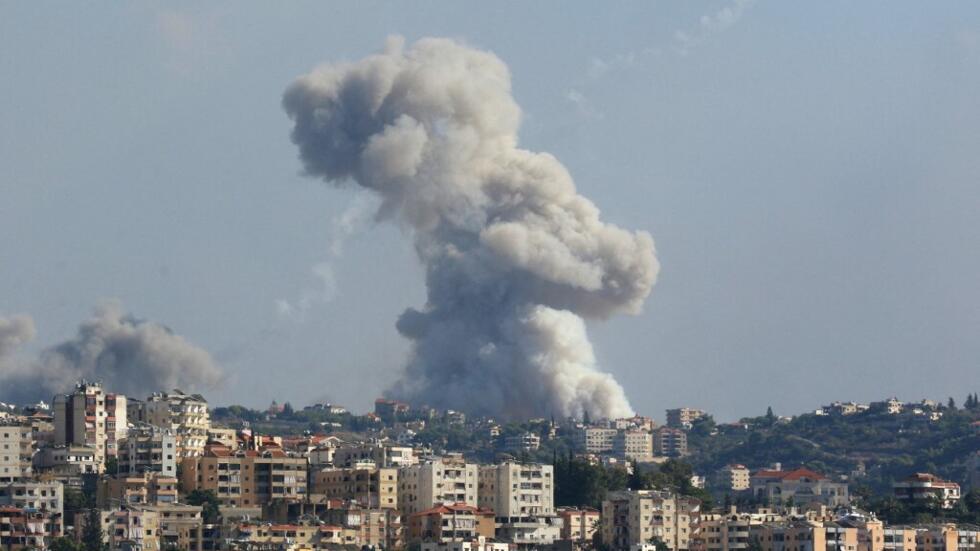
Official sources have reported that the death toll from the Israeli aggression on Lebanon has reached 2659 dead and 8183 injured since the beginning of March. This military escalation in the country reflects the difficult humanitarian conditions faced by the Lebanese people amid the ongoing conflict.
Reports indicate that the Israeli aggression has particularly focused on the southern regions of Lebanon, where many villages and towns have been subjected to intense bombardment. This shelling has led to the destruction of infrastructure and exacerbated humanitarian conditions, prompting many residents to flee.
Details of the Incident
Since the onset of the aggression, numerous human rights violations have been recorded, with civilians subjected to unwarranted acts of violence. Hospitals are experiencing severe shortages of medical resources due to the large number of injured. Humanitarian organizations have expressed concern over these conditions, calling for an immediate ceasefire.
Calls from the international community to halt the escalation continue, with several countries expressing concern over the deteriorating humanitarian situation in Lebanon. In this context, the United Nations has confirmed that the situation in Lebanon requires urgent intervention to protect civilians and provide necessary humanitarian assistance.
Background & Context
Historically, Lebanon has witnessed numerous armed conflicts, but the recent Israeli aggression comes amid increasing tensions in the region. Since 2006, there have been several rounds of escalation between Israel and Hezbollah, significantly impacting security and economic conditions in Lebanon.
It is noteworthy that Lebanon is suffering from a crippling economic crisis, where living conditions for residents have worsened due to economic decline and resource shortages. This situation makes it difficult for the Lebanese government to cope with the repercussions of the Israeli aggression, further increasing the suffering of citizens.
Impact & Consequences
The Israeli aggression is exacerbating humanitarian conditions in Lebanon, where residents face significant challenges in accessing food, water, and healthcare. Additionally, the mass displacement of populations increases pressure on host communities, leading to worsening social crises.
Politically, the escalation may heighten tensions between Lebanon and Israel, threatening regional stability. Furthermore, the continuation of the aggression could negatively impact relations between Lebanon and Arab countries, as positions regarding this conflict may vary.
Regional Significance
The situation in Lebanon is part of the larger picture of crises in the Arab region. The Israeli aggression highlights ongoing tensions between Israel and Palestinian factions and reflects deteriorating conditions in many Arab countries suffering from conflicts.
The persistence of these crises raises concerns about security and stability in the region, as any escalation could lead to widespread repercussions affecting neighboring countries and the international community. It is essential that international efforts are combined to halt the escalation and provide humanitarian support to those affected.
In conclusion, the situation in Lebanon remains alarming, requiring urgent action from the international community to protect civilians and provide necessary assistance. The continuation of the aggression will only exacerbate humanitarian and political crises in the region.