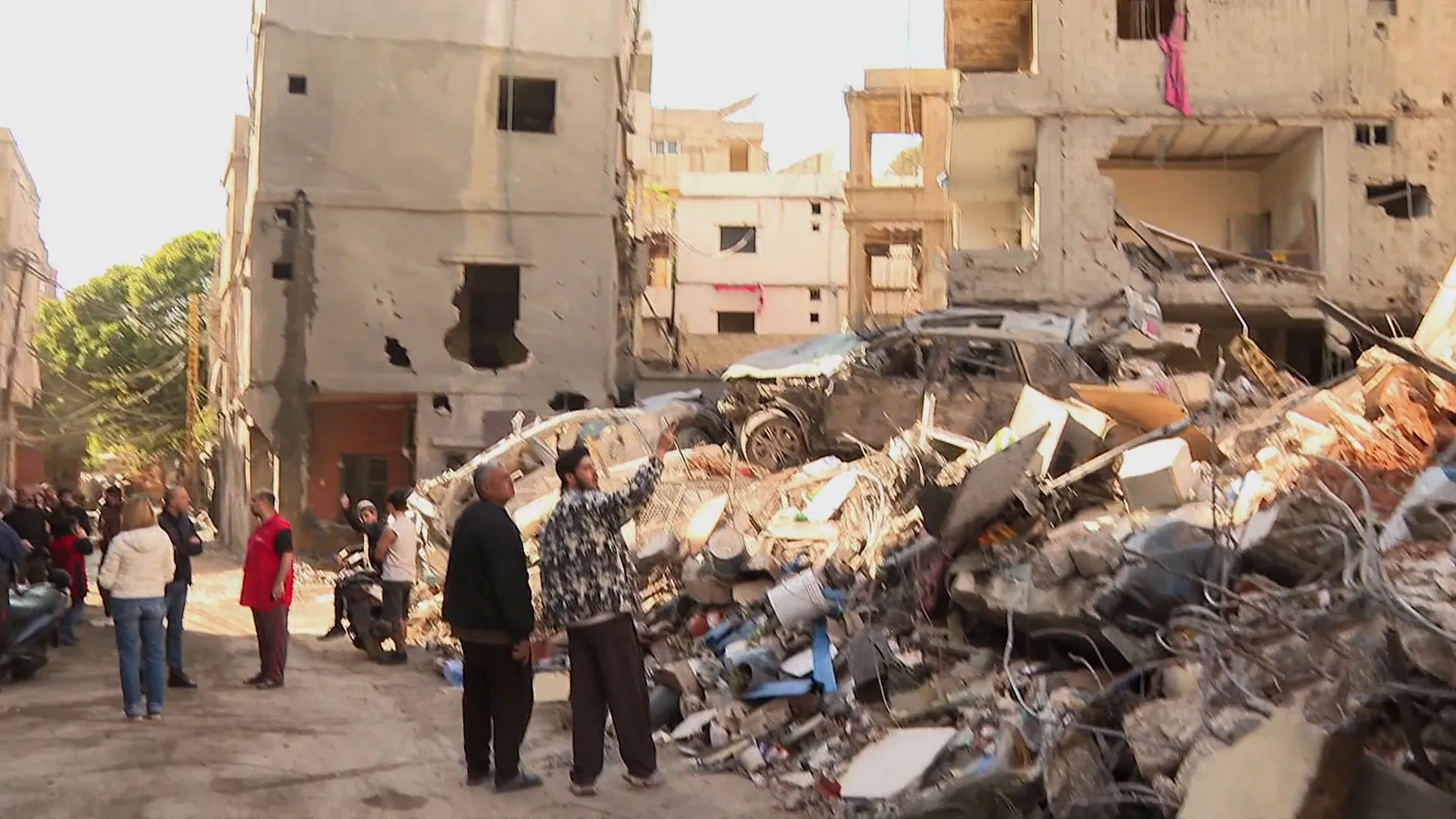
An Israeli airstrike on the Jnah area in Beirut on Sunday resulted in the deaths of 5 citizens, according to the Lebanese Ministry of Health. This strike is part of a continuous military escalation in Lebanon, where various regions are experiencing intense bombardment.
The airstrike also caused extensive destruction in the area, along with a number of injuries that were transported to nearby hospitals for treatment. The humanitarian situation in Lebanon is significantly worsening with the ongoing airstrikes, increasing the number of displaced individuals and casualties.
Details of the Incident
Israeli airstrikes on Lebanon continue, frequently targeting residential and civilian areas, raising international concern regarding humanitarian conditions. The recent strike on Jnah is not the first; it is part of a series of attacks that have occurred in the country over the past weeks.
The Lebanese Ministry of Health confirmed that the airstrike resulted in the deaths of 5 individuals and numerous injuries, reflecting an unprecedented escalation in Israeli military operations. The injured have been transferred to nearby hospitals, where medical staff are working tirelessly to provide necessary care.
Background & Context
Lebanon has been experiencing increasing tensions recently, with Israeli assaults on Lebanese territory escalating, particularly following recent events in the region. This escalation occurs at a time when the country is grappling with severe economic and social crises, further exacerbating the suffering of its citizens.
Historically, the Jnah area in Beirut has been the scene of numerous military events, witnessing various conflicts over the years. Israeli airstrikes on Lebanon are not new, but they have noticeably increased in recent times, raising fears of worsening humanitarian conditions.
Impact & Consequences
The repercussions of this airstrike are expected to be significant, likely leading to heightened tensions between Lebanon and Israel. Additionally, the deteriorating humanitarian conditions will impact citizens' lives, increasing the number of displaced individuals and complicating relief efforts.
International pressure on Israel may increase in light of these events, with some countries likely to call for an end to the aggression and improvements in humanitarian conditions in Lebanon. The situation may also affect Lebanon's relations with other Arab countries, complicating the regional landscape further.
Regional Significance
Events in Lebanon are part of a larger picture in the Arab region, where tensions are rising in many countries. Israeli airstrikes on Lebanon could provoke reactions in other nations, increasing the likelihood of escalating situations across the region.
The deteriorating humanitarian situation in Lebanon may raise concerns among neighboring countries, which could be affected by an influx of refugees and displacement. This situation necessitates an urgent response from the international community to assist Lebanon in overcoming this crisis.
In conclusion, the situation in Lebanon remains under close observation, as all eyes are on finding urgent solutions to halt the escalation and improve humanitarian conditions. The recent Israeli airstrikes underscore the pressing need for dialogue and peace in the region.