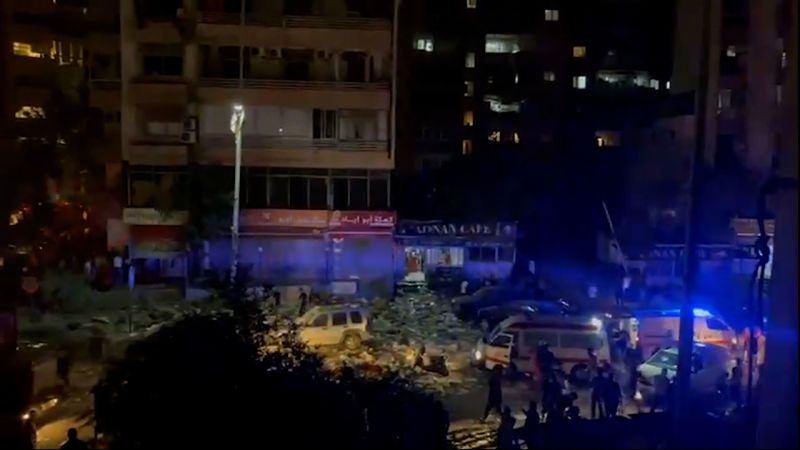
The Lebanese Ministry of Defense announced that an Israeli airstrike occurred east of the capital Beirut, leading to the deaths of three people. The attack comes at a time when tensions between Lebanon and Israel are escalating, raising concerns about a potential larger escalation in the region.
The airstrikes, which took place late last night, targeted an area believed to be used by armed groups. The identities of the victims have not yet been confirmed, but initial reports suggest they were near the targeted site.
Details of the Incident
According to local sources, the airstrike targeted an area known for its military activity, where it is believed that armed elements are gathered. This strike is part of a series of attacks carried out by Israel on targets in Lebanon, which it claims are aimed at preventing potential threats from Hezbollah or other groups.
This airstrike is considered part of a broader Israeli strategy to confront what it perceives as threats from the Lebanese border. These events have raised international concerns about stability in the region, as there are fears that they could lead to greater military escalation.
Background & Context
Historically, the relations between Lebanon and Israel have been marked by ongoing tensions, especially since the Lebanese Civil War in the 1970s and 1980s. Since then, there have been several wars and conflicts between the two sides, the most recent being in 2006. Israel continues to carry out strikes on targets in Lebanon, further heightening tensions between the parties.
In recent years, Israeli military activities in the region have intensified, as these operations are seen as part of its efforts to counter Hezbollah, which is considered one of the prominent armed factions in Lebanon. There are growing concerns that these airstrikes could provoke reactions from Hezbollah, potentially plunging the region into a cycle of violence.
Impact & Consequences
Analysts suggest that this airstrike could lead to military escalation in the region, as Hezbollah may respond to the attack. Such escalation could impact regional security and increase tensions among neighboring countries.
Moreover, these events could affect international relations, as Lebanon is viewed as a focal point in the Arab-Israeli conflict. Major powers, such as the United States and Russia, are closely monitoring the situation and may intervene if necessary to maintain stability in the region.
Regional Significance
The events in Lebanon are part of a larger picture of conflicts in the Middle East, where regional and international interests intersect. This attack illustrates how tensions between countries can affect security and stability across the entire region.
Additionally, the situation in Lebanon serves as an indicator of how Arab countries are dealing with security threats. Greater cooperation among Arab nations is required to address these challenges, especially in light of the multiple crises facing the region.
In conclusion, the recent Israeli airstrike highlights the ongoing tensions in the region and underscores the urgent need for dialogue and understanding among the involved parties. Given the current circumstances, there remains hope that diplomatic efforts can help de-escalate the situation and prevent further escalation.