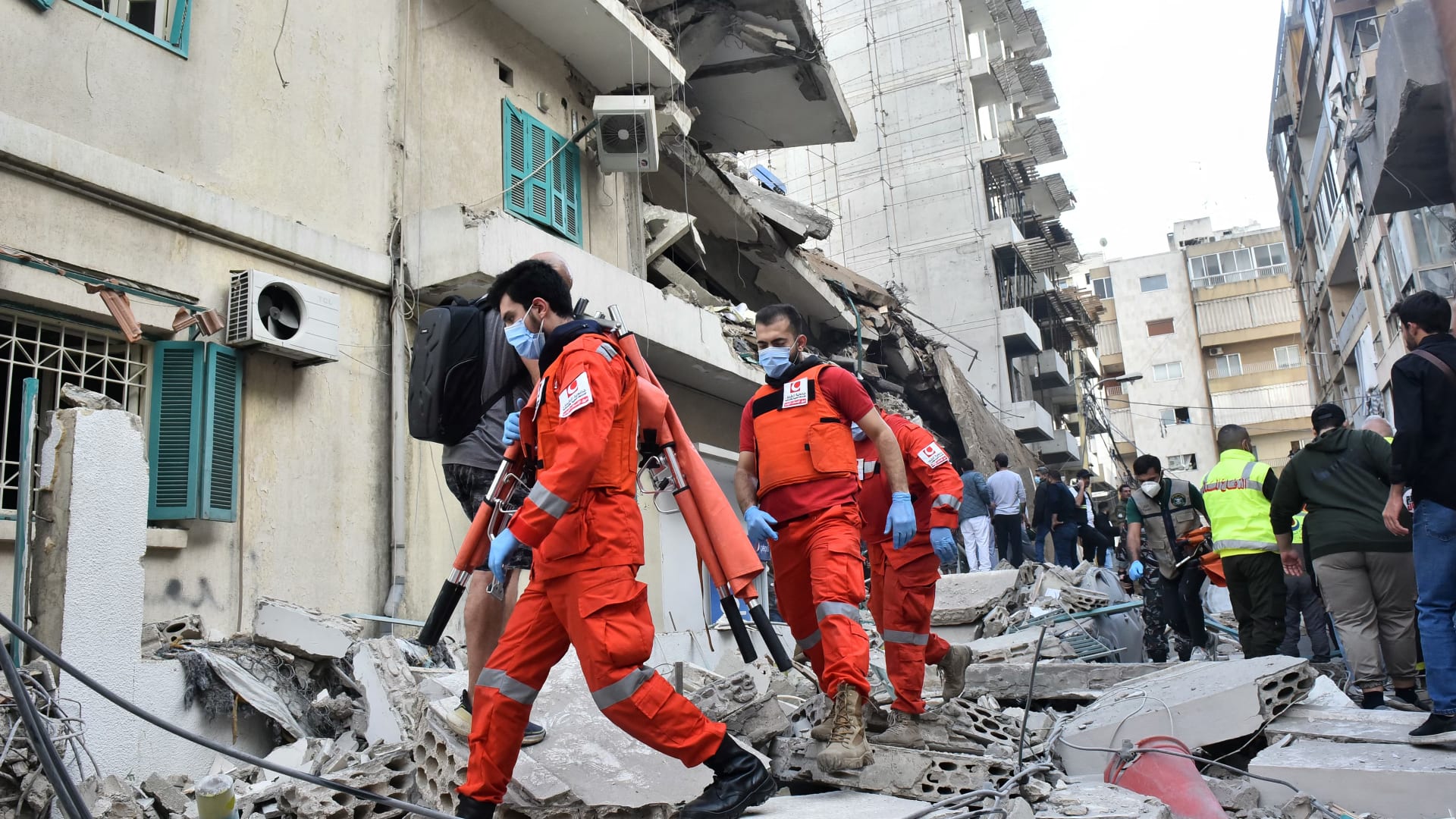
An Israeli airstrike early today in southern Beirut has intensified clashes between the Israeli army and Hezbollah in southern Lebanon. This strike comes at a sensitive time as the ongoing clashes, known as "zero distance," reflect a notable escalation in tensions between the two parties.
These clashes are part of a series of escalating events that have recently unfolded in the region, as both Hezbollah and Israel seek to strengthen their positions amid changing regional circumstances.
Details of the Incident
The Israeli airstrike targeting southern Beirut comes at a time when Lebanon is suffering from a crippling economic crisis, complicating the security situation further. Local sources reported that the airstrike targeted sites believed to be affiliated with Hezbollah, prompting swift reactions from the party, which launched artillery fire towards Israeli positions.
Clashes continue in border areas between Lebanon and Israel, with each side striving for strategic gains. Reports have noted an increase in the intensity of the clashes, reflecting a state of instability in the region.
Background & Context
The roots of the conflict between Hezbollah and Israel stretch back decades, with the region witnessing numerous wars and disputes. Since the 2006 war, the Lebanese-Israeli border has experienced ongoing tensions, characterized by exchanges of airstrikes and skirmishes.
In recent years, tensions have escalated due to the conflict in Syria and its impact on Lebanon, where Hezbollah is considered part of the Iran-backed coalition, further complicating the regional situation.
Impact & Consequences
The ongoing clashes between Hezbollah and Israel could lead to a greater escalation in the conflict, threatening regional security. Furthermore, the continuation of Israeli airstrikes may push Hezbollah to take more aggressive steps, increasing the risk of a full-scale war.
The economic and social conditions in Lebanon are significantly affected by these tensions, as the Lebanese people suffer from the repercussions of multiple crises, adding pressure on the Lebanese government.
Regional Significance
The current events in Lebanon are part of a larger picture of conflicts in the Middle East, where regional and international interests intersect. The escalation of tensions between Hezbollah and Israel could impact stability in neighboring countries such as Syria and Palestine.
Additionally, these events may lead to a reevaluation of alliances in the region, as Arab countries seek to balance their relationships with major powers.
In conclusion, the situation in Lebanon remains under observation, as indicators suggest that clashes may continue, complicating the security landscape in the region.