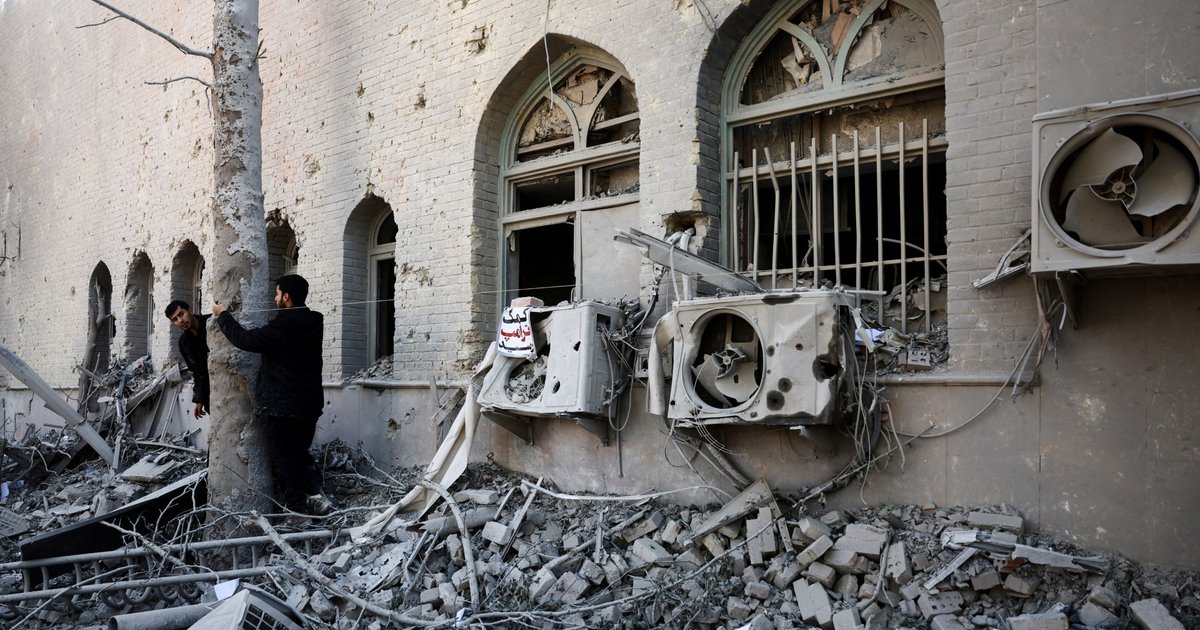
In a troubling incident, an Israeli airstrike struck an ambulance while it was transporting patients in the town of Qlayla, close to the coastal city of Tyre, causing severe damage to the vehicle. Fortunately, there have been no reports of injuries among the medical crew, raising questions about the protection of medical personnel in conflict zones.
This airstrike comes at a sensitive time as military tensions escalate in the region. Lebanese health sources have confirmed that Israeli forces have repeatedly targeted rescue and ambulance teams, reflecting the deteriorating humanitarian situation in Lebanon and increasing the suffering of civilians.
Details of the Incident
According to reports, the attack occurred late yesterday, prompting inquiries into international laws regarding the protection of medical teams. Lebanese officials described this attack as a blatant violation of international humanitarian law, which prohibits targeting civilians and medical personnel.
It is noteworthy that Israeli airstrikes on Lebanon are not new, as the country has witnessed several similar attacks in recent years, resulting in the loss of many lives and the destruction of infrastructure. Targeting ambulances is unacceptable and reflects a serious escalation in the ongoing conflict.
Background & Context
Historically, Lebanon has experienced numerous armed conflicts, including civil wars and foreign interventions. Since 2006, tensions between Israel and Hezbollah have escalated, leading to a series of clashes and mutual attacks. In this context, the importance of protecting civilians and medical personnel becomes paramount, as many suffer from the effects of the ongoing conflict.
The situation is further complicated by the humanitarian crises that have arisen from these conflicts, with many civilians facing dire conditions. The international community's response to these violations is critical in addressing the ongoing challenges faced by Lebanon.
Impact & Consequences
This airstrike may escalate tensions between Lebanon and Israel, increasing the likelihood of a larger conflict. Additionally, targeting medical personnel could negatively impact Lebanon's ability to provide necessary healthcare to civilians, exacerbating the suffering of the population. The continuation of such attacks could place Lebanon in a difficult position as it seeks to maintain stability under the current circumstances.
Moreover, the international community's reaction to these events will play a significant role in shaping future responses and policies regarding the protection of medical teams in conflict zones.
Regional Significance
The implications of this incident extend beyond Lebanon, as it highlights the broader issues of humanitarian law and the protection of medical personnel in armed conflicts. The international community must take a stand against such violations to ensure the safety of those who provide critical services in times of crisis.
In conclusion, the targeting of ambulances and medical teams not only undermines humanitarian efforts but also poses significant risks to the stability of the region. It is imperative that measures are taken to protect those who are dedicated to saving lives in conflict areas.