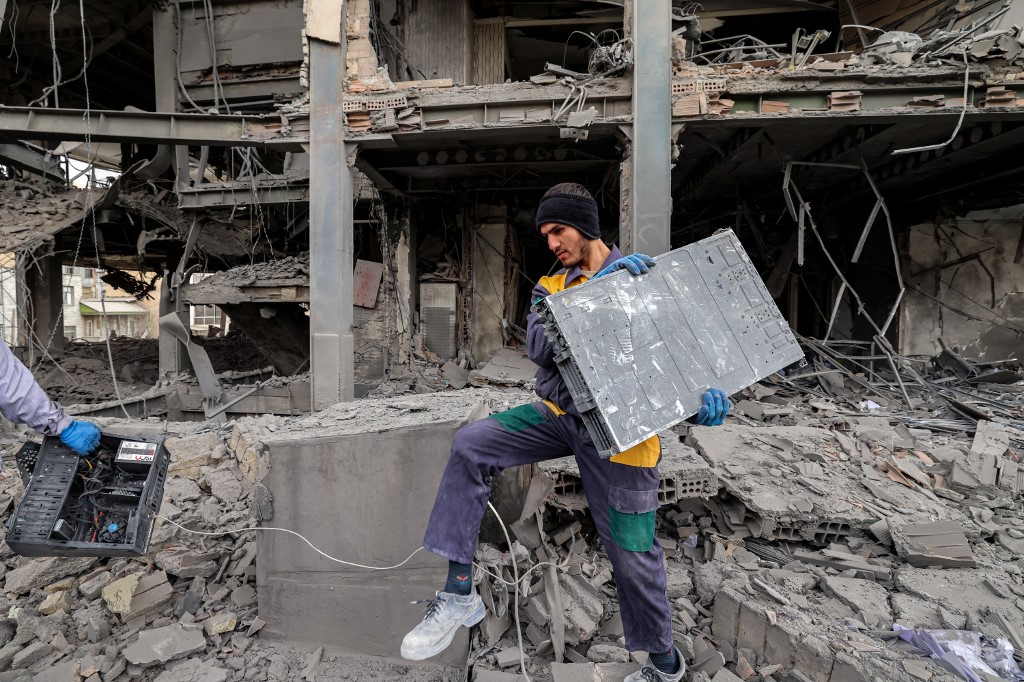
An Israeli airstrike targeted a Lebanese Army checkpoint in the south, resulting in injuries to five soldiers. A Lebanese military source, who requested anonymity, stated that this airstrike represents the first direct attack on a military site since the onset of the Israeli war on Lebanon on March 2.
Reports indicate that the Lebanese Army has lost eight soldiers since the beginning of the war due to Israeli fire while performing their duties in the southern and eastern regions, highlighting the escalating military tensions between the two sides.
Details of the Incident
The attack occurred early on Monday, when Israeli warplanes targeted the checkpoint in an area considered strategically sensitive. The injured soldiers were transported to the hospital for treatment, while a state of maximum alert was declared within the Lebanese Army.
This attack comes at a time when the region is witnessing unprecedented military escalation, with increasing military operations between Israeli forces and Hezbollah, complicating the security situation in Lebanon.
Background & Context
Historically, Lebanese-Israeli relations have been marked by ongoing tensions, especially since the 2006 war that led to widespread destruction in Lebanon. Since then, the border between the two countries has been the scene of repeated military operations, but direct attacks on the Lebanese Army have been relatively rare.
In recent years, tensions have increased due to Israeli military activities in border areas, as well as mutual threats between Hezbollah and Israel. With the escalation of political and economic crises in Lebanon, the country has become more vulnerable to external interventions.
Impact & Consequences
This airstrike could lead to greater escalation in the conflict between Israel and Lebanon, increasing the likelihood of a new war in the region. Targeting the Lebanese Army may provoke strong reactions from the Lebanese government, potentially escalating political tensions within the country.
Furthermore, the injuries sustained by Lebanese soldiers could affect the morale of the army, which is already facing significant challenges amid the difficult economic conditions the country is experiencing.
Regional Significance
These events are part of a broader conflict in the region, where neighboring Arab countries are directly affected by the tensions between Lebanon and Israel. Any military escalation could negatively impact regional security and affect relations between Arab countries and Israel.
Under these circumstances, Arab countries must be prepared to address the repercussions of any potential escalation, whether through diplomatic support for Lebanon or by enhancing security cooperation to face common challenges.