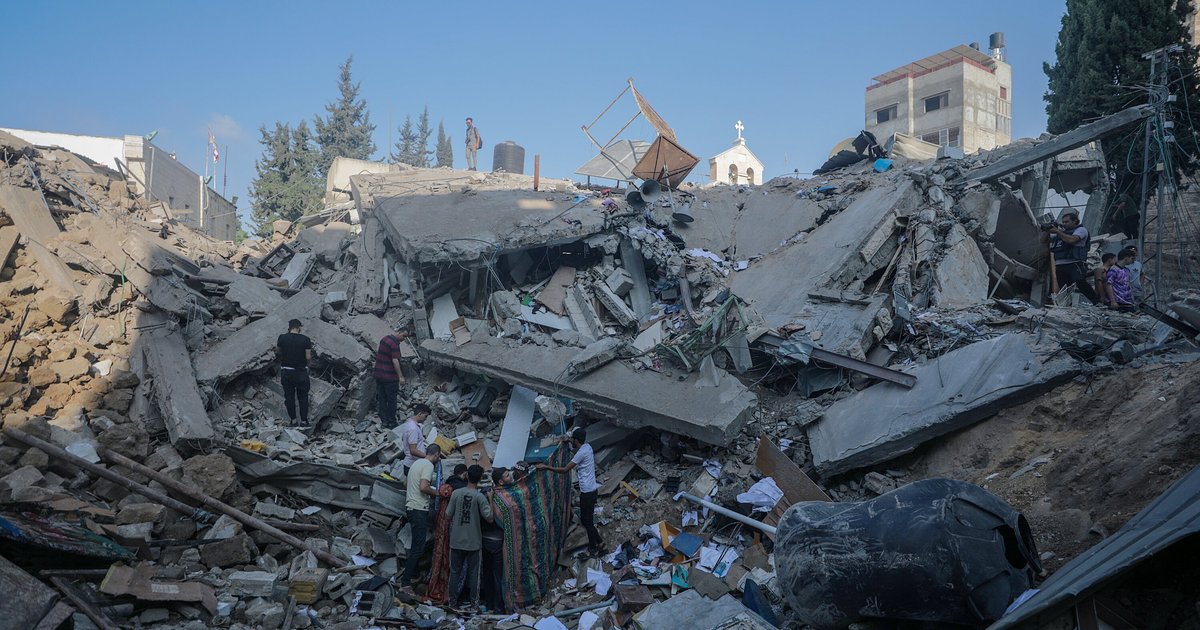
On the evening of Tuesday, April 7, Israeli warplanes launched an airstrike on the Lebanese city of Sidon, resulting in the deaths of eight individuals and injuring 28 others, as reported by the Lebanese Ministry of Health. The attack targeted a café located on the seaside promenade, causing panic among local residents.
The National News Agency of Lebanon reported that the airstrikes targeted multiple areas in Sidon, leading to the destruction of the café and significant damage to nearby buildings. This escalation comes at a sensitive time as tensions between Israel and Hezbollah are on the rise.
Details of the Airstrike
The airstrike on Sidon is part of a series of military operations initiated by Israel on March 2, where Hezbollah responded by launching rockets towards Israeli territory. The military escalation coincides with joint military operations between the United States and Israel against Iran, further heightening tensions in the region.
On March 16, the Israeli army announced the commencement of ground operations in southern Lebanon, highlighting the intensifying conflict between the two sides. These military operations occur during a critical period, as Lebanon grapples with severe economic and political crises, complicating the security situation in the country.
Background & Context
Historically, relations between Israel and Lebanon have been marked by recurring tensions, particularly with Hezbollah's presence as an armed force in southern Lebanon. Established in the 1980s in response to the Israeli occupation, Hezbollah has since become a key player in the Lebanese-Israeli conflict. The recent conflict reflects the ongoing regional struggle and its impact on security and stability in Lebanon.
Over the years, the border areas between Lebanon and Israel have faced numerous attacks, resulting in the loss of many lives and destruction of property. The latest attack signifies an unprecedented escalation in Israeli military operations in Lebanon, raising concerns about the potential for further escalation in the future.
Impact & Consequences
The attack on Sidon carries serious implications for regional security, as it may lead to a larger escalation in the conflict between Israel and Hezbollah. Such an escalation could drag the region into a full-scale war, adversely affecting civilian lives and exacerbating their suffering amid current economic crises.
This attack may also influence the international community's stance on the conflict in the region, with some countries likely to call for international intervention to halt the escalation. Simultaneously, it may increase support for Hezbollah in Lebanon, as many Lebanese view Israeli attacks as an infringement on Lebanon's sovereignty.
Regional Significance
The situation in Sidon underscores the fragile security dynamics in the region, where military actions can quickly spiral into broader conflicts. The international community's response will be crucial in determining whether further escalation can be avoided.
In conclusion, the airstrike in Sidon not only highlights the immediate humanitarian impact but also reflects the broader geopolitical tensions in the Middle East, necessitating urgent attention from global powers to mitigate the risks of a larger conflict.