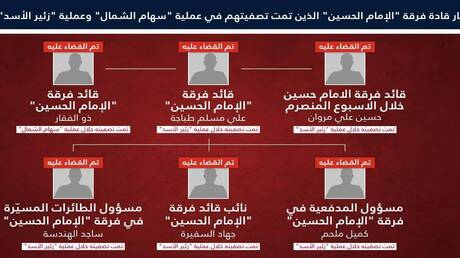
In a new escalation, the Israeli army announced the assassination of Kamel Malham, the artillery chief of the Imam Hussein Brigade, during an airstrike that targeted the brigade's main fire control headquarters on Sunday. This operation comes at a time of increasing tensions in the region, raising questions about its future implications.
The military operation carried out by the Israeli Air Force targeted a site believed to be used for managing military operations of the brigade. Israeli military sources confirmed that the aim of the airstrike was to undermine the military capabilities of the organization, which is considered part of the resistance axis in the region.
Details of the Event
The airstrike targeting Kamel Malham occurs within the context of ongoing escalation by the Israeli army against targets associated with armed groups in the area. Reports indicated that the airstrike resulted in the death of Malham and several other personnel, reflecting an Israeli strategy aimed at reducing potential threats from these factions.
The Imam Hussein Brigade is one of the armed factions playing a key role in the conflict in the region, receiving support from Iran and participating in military operations against Israeli forces. This airstrike has elicited mixed reactions from concerned parties, with some viewing it as a necessary step to protect Israeli security, while others consider it an unjustified escalation.
Background & Context
Historically, the region has witnessed an increase in Israeli military operations against armed factions, particularly following heightened tensions in recent years. The Imam Hussein Brigade is part of a complex network of factions receiving support from Iran, making it a primary target for Israeli operations.
Israeli military operations against these factions are not new, but they have notably increased in recent years, especially after the rise in security threats. This escalation also reflects the geopolitical tensions in the region, as Israel seeks to undermine the influence of Iran and its allies.
Impact & Consequences
The assassination of Kamel Malham is seen as a step that could lead to greater escalation in the conflict, with armed factions expected to retaliate against this attack. Such escalation may increase tensions in the region, negatively impacting security and stability.
The potential consequences of this operation may include an uptick in retaliatory actions by armed factions, potentially leading to larger military escalations. These events could also affect relations between countries in the region, particularly those supporting armed factions.
Regional Significance
This airstrike is part of the broader conflict in the region, involving multiple active parties. The potential impact of these events extends to neighboring Arab countries, where it may lead to increased tensions between governments and armed factions.
Moreover, military escalation could affect peace efforts in the region, complicating matters further with each military operation. It is crucial for Arab countries to closely monitor these developments, as they can influence the overall stability of the region.
In conclusion, the events in the region remain volatile, and with each military operation, the risks to security and stability increase. It is essential for the involved parties to work towards de-escalating the situation and seeking peaceful solutions to the conflict.