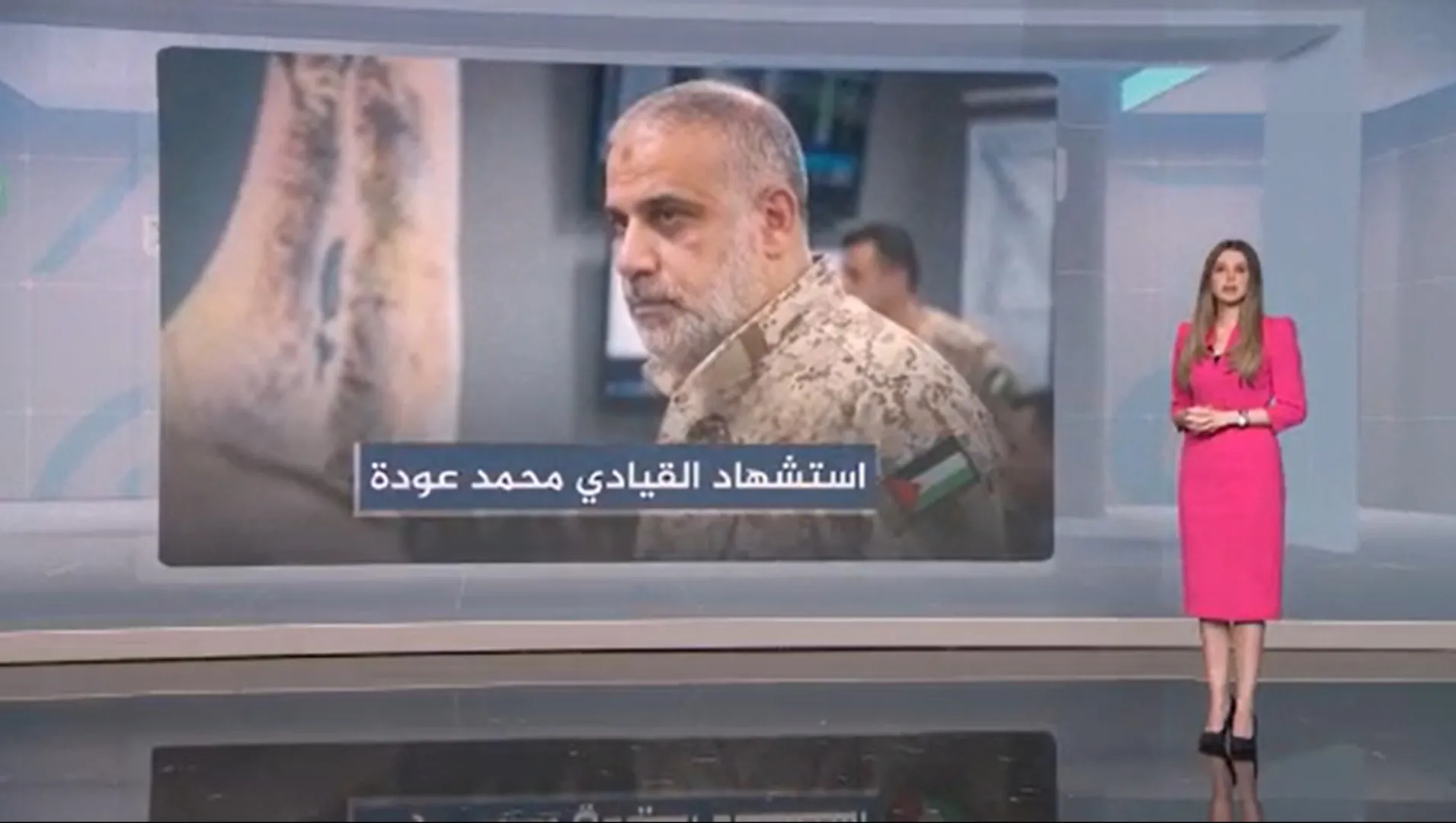
The Hamas leader Mohammed Awda was killed in an Israeli airstrike that targeted his home in Gaza City, prompting extensive reactions on social media platforms. The occupation forces acknowledged his prominent military role, with many users recalling his contributions during the "Al-Aqsa Flood" operation, asserting that the blood of leaders will continue to fuel the resistance.
In a related context, Europe is suffering from an exceptional heatwave, with record temperatures recorded in May. The episode of the program "Networks" discussed the phenomenon of the "heat dome" that has led to fatalities in France and Britain, with varying comments from followers warning about climate change and comparing it to the weather in the Arab region.
Details of the Incident
The assassination of Mohammed Awda comes at a sensitive time, as the occupation's operations in the Gaza Strip have increased. Many observers have pointed out that these operations are part of the escalation policy pursued by the occupation, complicating the situation in the region. Numerous activists expressed their solidarity with the martyr's family, emphasizing the importance of continuing the resistance.
Regarding the heatwave, it has raised concerns among European citizens, with some countries experiencing temperatures exceeding 40 degrees Celsius. Reports have warned that such phenomena may become more common in the future, necessitating urgent measures to combat climate change.
Background & Context
Historically, Gaza has witnessed numerous assassination operations targeting resistance leaders, leading to heightened tensions between the occupation and Palestinian factions. Mohammed Awda is considered one of the prominent figures in Hamas, having played a pivotal role in many military operations.
Conversely, the current heatwave is part of a global phenomenon related to climate change, with studies indicating that global warming significantly affects weather patterns worldwide. Research has shown that these phenomena could exacerbate humanitarian crises in areas most vulnerable to climate changes.
Impact & Consequences
The repercussions of Mohammed Awda's assassination extend beyond Gaza, potentially leading to a new military escalation in the region, threatening the fragile stability that currently exists. Many analysts have warned that these events could provoke violent reactions from Palestinian factions, further complicating the situation.
As for the heatwave, it could significantly impact agriculture and water resources in Europe, potentially leading to crop shortages and rising food prices. This situation reflects the urgent need for effective strategies to address climate change.
Regional Significance
The ongoing events in Gaza and the heatwave in Europe are particularly significant for the Arab region, reflecting the increasing challenges faced by countries in addressing crises. These events may raise questions about how Arab governments are dealing with climate changes and their impact on food security.
In conclusion, the events in Gaza and the heatwave in Europe serve as a reminder that the world is facing multiple challenges that require international cooperation and urgent actions. Climate change and armed conflicts are issues that need radical solutions to ensure a better future for all.