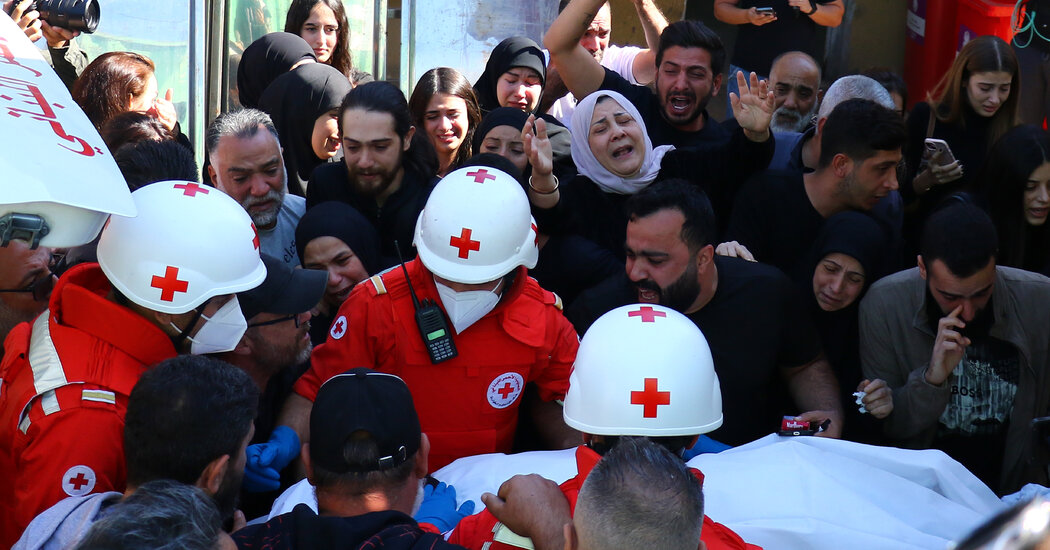
An Israeli airstrike in southern Lebanon resulted in the deaths of three journalists who were covering the ongoing events in the area. The incident occurred late last night, targeting a region near the Lebanese border, which sparked angry reactions from human rights organizations.
The journalists who lost their lives were of different nationalities and were documenting the humanitarian impact of the escalating conflict between Israel and Hezbollah. This incident comes at a sensitive time, as the region is witnessing an increase in hostilities, raising concerns about the safety of journalists working in conflict zones.
Details of the Incident
According to reports, the airstrike targeted an area near the city of Tyre, where the journalists were covering the ongoing clashes between Israeli forces and Hezbollah fighters. The incident led to a wave of condemnation from human rights and journalistic organizations, which called for a thorough investigation into the incident.
Local sources reported that the airstrike also resulted in injuries to several civilians, further complicating the humanitarian situation in the area. This airstrike is not the first of its kind, as Lebanon has witnessed numerous Israeli air attacks in recent years, raising questions about the safety of journalists in conflict zones.
Background & Context
Historically, Lebanon has long been a battleground for regional and international conflicts, having experienced multiple wars over the decades. The relationship between Israel and Hezbollah is complex, with clashes occurring intermittently, leading to an escalation of violence in the region. In recent years, tensions have significantly increased, especially following a rise in reciprocal attacks between the two parties.
Covering events in conflict zones is perilous, as journalists face significant risks while performing their duties. In recent years, many journalists have lost their lives while covering conflicts in the Middle East, highlighting the need for greater protection for journalists working in these areas.
Impact & Consequences
This incident raises significant concerns regarding the safety of journalists in conflict zones, where they face increasing risks due to escalating hostilities. Additionally, this airstrike could exacerbate tensions between Israel and Hezbollah, increasing the likelihood of a broader conflict in the region.
This incident is expected to affect media coverage of events in Lebanon, as some organizations may hesitate to send their journalists to conflict areas due to safety concerns. Furthermore, international reactions to this incident may influence Israeli policy towards Lebanon, potentially leading to either an escalation or de-escalation of tensions.
Regional Significance
This incident is part of the larger picture of the conflict in the Middle East, where political and military interests in the region are intricately intertwined. Events in Lebanon raise concerns among other Arab nations, which fear that tensions could lead to wider conflicts that may affect the stability of the entire region.
In conclusion, this incident underscores the need for the protection of journalists and ensuring their safety while covering events in conflict zones. It also reminds us that conflicts in the region do not only affect the warring parties but extend their repercussions to all Arab countries.