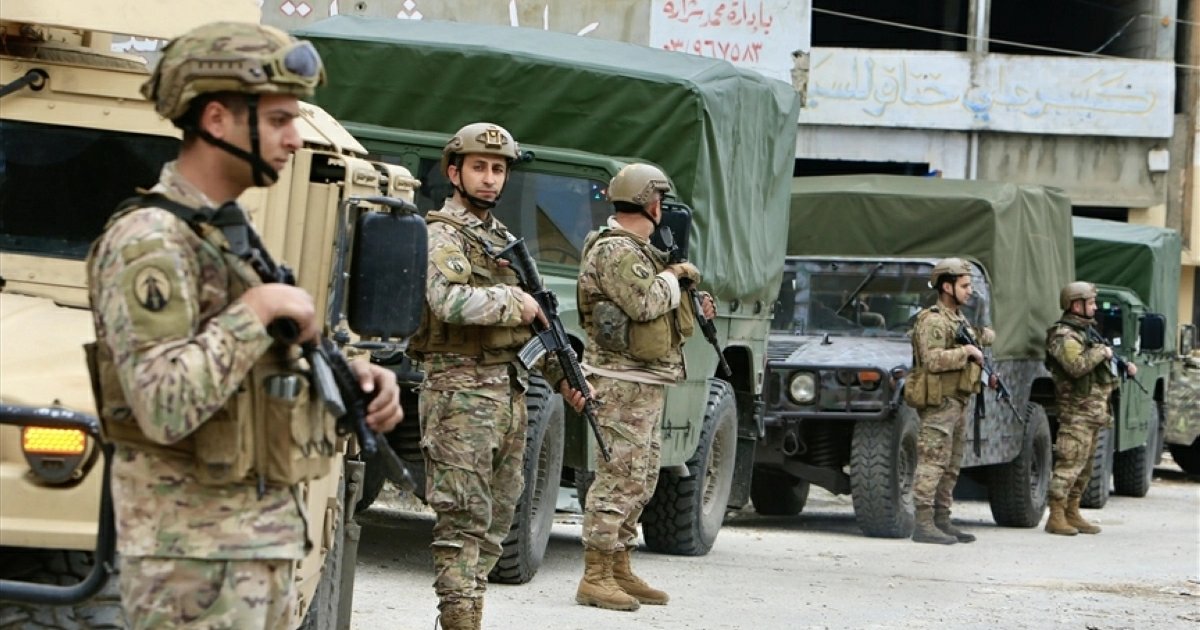
The Lebanese Armed Forces announced the death of soldier Hussein Ali Nahla in an Israeli airstrike that targeted the town of Kfar Hatti, near the city of Sidon in southern Lebanon. The incident occurred on Sunday, intensifying military tensions in the region, which has seen escalating conflict since the beginning of this month.
This airstrike comes at a sensitive time, as Israeli forces have expanded their military operations in Lebanon following a cross-border attack carried out by Hezbollah on March 2. Despite a ceasefire agreement reached in November 2024, the security situation in the area remains tense.
Details of the Incident
Reports indicate that the Israeli airstrike targeted specific sites in Kfar Hatti, resulting in the death of soldier Nahla and injuries to others. The Lebanese army noted that this strike is part of a continuous escalation by Israeli forces, responding to rocket attacks launched by Hezbollah on Israeli territory.
Since the beginning of March, Hezbollah has fired several rockets at Israeli targets, asserting that these attacks are in retaliation for repeated Israeli airstrikes on Lebanese soil, as well as the death of Ali Khamenei, the former Iranian leader, in a joint U.S.-Israeli strike on February 28.
Background & Context
Historically, the Lebanese-Israeli border has experienced ongoing tensions, especially since the 2006 war. That conflict resulted in the deaths of thousands of civilians and widespread destruction of Lebanese infrastructure. Since then, there have been multiple attempts to stabilize the situation, but tensions persist, particularly with the ongoing conflict in Syria and its impact on Lebanon.
In recent years, military activities along the border have increased, as each side seeks to strengthen its position. Regional events, such as the Syrian conflict, have complicated the security situation in Lebanon, making it difficult to achieve stability.
Impact & Consequences
The death of the Lebanese soldier could lead to greater escalation in military actions between the two sides, threatening the outbreak of a new comprehensive war. This incident may also affect relations between Lebanon and Israel, further heightening tensions in the region.
Concerns are growing that these events could have significant humanitarian repercussions, with reports indicating that over 1,422 people have died and 4,294 others have been injured in Israeli attacks since the escalation began. These figures reflect the extent of the humanitarian suffering faced by the Lebanese people amid this ongoing conflict.
Regional Significance
The events in Lebanon are part of a larger picture of tensions in the Arab region, where political and military interests intersect. The rise of violence in Lebanon could impact stability in neighboring countries, such as Syria and Palestine, complicating the security situations in the region.
Under these circumstances, the international community must urgently intervene to de-escalate the situation and prevent the conflict from worsening, as continued violence could lead to negative repercussions for regional and international security.