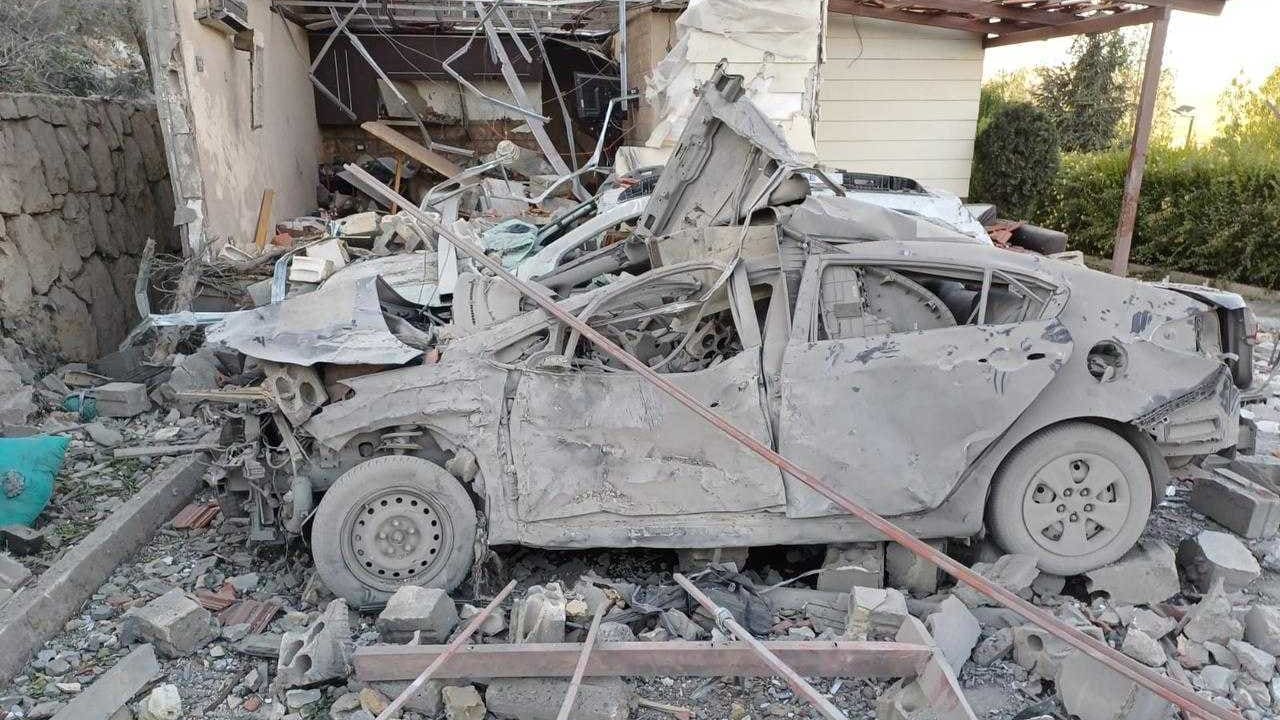
A Palestinian was killed and eight others were injured due to an Israeli airstrike that targeted a crowded area of displaced persons in the city of Deir al-Balah in central Gaza, marking a new violation of the recently reached ceasefire agreement. Medical sources reported that the body of the martyr and the injured were taken to Al-Aqsa Martyrs Hospital in the city, where the injured received necessary treatment.
This attack comes at a sensitive time as the international community seeks to enhance peace efforts in the region, complicating the humanitarian situation in Gaza. Eyewitnesses indicated that the bombing targeted land adjacent to a refugee camp, causing panic among the residents.
Details of the Incident
On Wednesday morning, Israeli warplanes launched an airstrike on the Deir al-Balah area, focusing the bombardment near a refugee camp. This attack resulted in the death of one Palestinian and injuries to eight others, including children. This incident is part of a series of attacks that have occurred in the area recently, raising concerns about the security and humanitarian situation in Gaza.
This airstrike comes at a very sensitive time, as there was hope for a ceasefire following a series of negotiations between Palestinian factions and the Israeli side. However, these hopes seem to have faded with the continuation of attacks.
Background & Context
Historically, the Gaza Strip has witnessed numerous conflicts and clashes between Palestinian factions and the Israeli army. Since the beginning of the conflict, the region has suffered a significant deterioration in humanitarian conditions, with over two million Palestinians living in extremely difficult circumstances. Repeated wars have led to the destruction of infrastructure and exacerbated humanitarian crises.
In recent years, the international community has attempted to intervene to achieve a ceasefire, but these efforts often encounter political and security obstacles. Israeli airstrikes are considered part of a policy of responding to rocket attacks launched by Palestinian factions, further complicating the situation.
Impact & Consequences
This airstrike underscores the ongoing tensions in the region, which could lead to a new escalation in the conflict. The death of a Palestinian and the injury of others may provoke angry reactions from Palestinian factions, potentially leading to an escalation of reciprocal attacks.
Moreover, these events increase the suffering of civilians in Gaza, who are already facing shortages of essential resources such as food, water, and healthcare. This situation reflects the ongoing chaos in the region, making it difficult to achieve lasting peace.
Regional Significance
The events in Gaza are part of the Israeli-Palestinian conflict, which affects stability across the entire region. The continuation of violence in Gaza may have repercussions for neighboring countries, as the flow of refugees to adjacent Arab states could increase, putting additional pressure on those countries.
Additionally, these events may impact relations between Arab countries and Israel, as criticisms against Israel from Arab nations and the international community may rise, complicating peace efforts in the region.
In conclusion, the situation in Gaza remains complex, as the conflict continues to affect the lives of civilians. The need for achieving peace and stability in the region has become more urgent than ever.