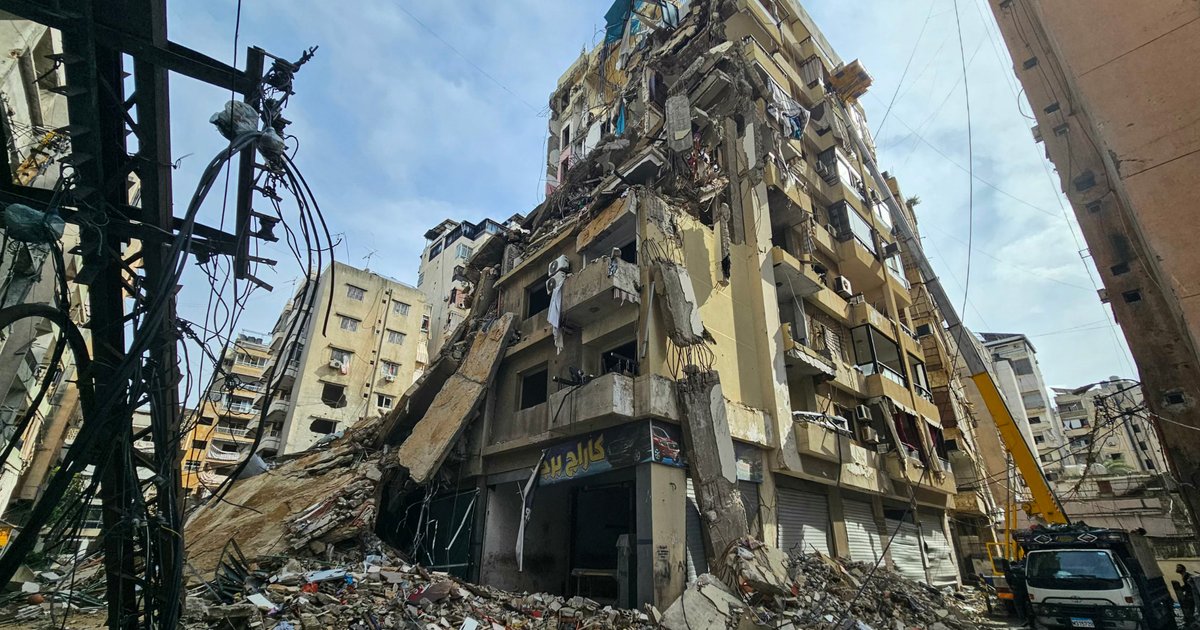
In a tragic incident, an Israeli airstrike claimed the lives of three journalists in southern Lebanon on Saturday. Among the victims was Ali Shaib, a prominent journalist for the Hezbollah-affiliated Al-Manar channel, alongside Fatima Fatouni, a correspondent for Al-Mayadeen, who labeled the attack as a 'betrayal'.
Israeli authorities confirmed the death of Shaib, alleging without evidence that he was a member of Hezbollah's elite Radwan Unit. This attack comes at a time when media outlets in the region are under severe pressure, with many Palestinian journalists in Gaza having been killed based on similar unsubstantiated accusations.
Details of the Incident
The Israeli strike on Saturday resulted in the deaths of at least 18 people, including three journalists and six paramedics, while injuring 29 others across multiple areas in Lebanon. This airstrike is part of an ongoing escalation of violence in the region, with tensions between Israel and Hezbollah rising amid a worsening situation.
This incident is one of many where journalists have faced danger in conflict zones, where reporting under such conditions poses significant challenges. The deaths of these journalists have sparked widespread reactions from human rights organizations, which have called for independent investigations into attacks on journalists.
Background & Context
Historically, the region has witnessed numerous conflicts that have led to the loss of many journalists' lives. Since the onset of the conflict in Syria and the events in Gaza, journalists have faced significant risks while covering these events. Human rights reports have documented the deaths of dozens of journalists in recent years due to armed conflicts.
The media in Lebanon is a crucial part of the Arab media landscape, playing a vital role in news dissemination and event coverage. However, journalists in Lebanon face substantial challenges, particularly amid tense political conditions.
Impact & Consequences
The killing of the three journalists highlights the dangers faced by media personnel in conflict zones. It also reflects the rising violence against journalists, which could lead to a decline in freedom of expression in the region. Targeting journalists raises global concerns regarding human rights and press freedom, as the killing of journalists is considered a crime against humanity.
Calls from human rights organizations and the international community are increasing for investigations into these incidents and for bringing those responsible to justice. The lack of accountability for these crimes may foster a culture of impunity, threatening the safety of journalists in the future.
Regional Significance
This incident serves as a wake-up call for journalists across the Arab world, where risks are increasing in conflict areas. The targeting of journalists is not limited to Lebanon but extends to many Arab countries experiencing armed conflicts.
In light of these conditions, the international community must take effective steps to protect journalists and ensure freedom of expression. Supporting journalists in conflict zones is vital for preserving democracy and human rights in the Arab world.