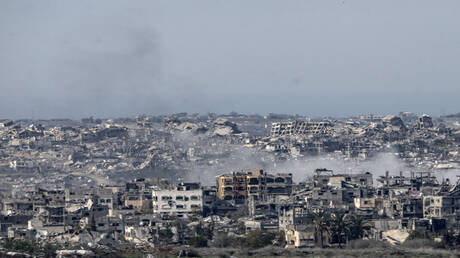
On Wednesday, Al Jazeera reporter Mohammed Washah was killed alongside another civilian due to an Israeli airstrike targeting a vehicle on Al-Rasheed Street in western Gaza. This incident occurs amid rising violence in the area, exacerbating the suffering of Palestinian civilians.
Mohammed Washah, who was covering events in Gaza, has become the latest victim in a series of attacks targeting journalists in conflict zones. The airstrike that hit the vehicle resulted in the deaths of Washah and another civilian, underscoring the dangers journalists face while performing their duties in conflict areas.
Details of the Incident
According to local sources, the airstrike occurred early in the morning as the vehicle was traveling along Al-Rasheed Street when it was targeted by Israeli aircraft. The attack caused significant damage in the area, completely destroying the vehicle, reflecting the intensity of the strike and the absence of any prior warning.
This attack is part of an ongoing Israeli military escalation against the Gaza Strip, where recent days have seen intensive bombardments across various areas, resulting in numerous civilian casualties.
Background & Context
Historically, the Gaza Strip has witnessed numerous armed conflicts, with the area frequently subjected to repeated assaults by Israeli forces. Journalists in Gaza often find themselves in the line of fire, with many documented cases of them being targeted while covering events.
The risks to journalists have increased in recent years, with numerous incidents recorded that have led to the deaths or injuries of reporters while on duty. This situation raises concerns among international organizations that advocate for the protection of journalists in conflict zones.
Impact & Consequences
The killing of Mohammed Washah reflects the significant challenges journalists face in covering events in conflict areas. This incident may increase pressure on the international community to act in order to protect journalists and ensure their safety while performing their work.
Moreover, this incident could impact press freedom in the region, as journalists may hesitate to cover events for fear of assault or murder. This situation threatens to undermine the right to access information and complicates the task of conveying the truth to the public.
Regional Significance
The assassination of Washah raises widespread concern in the Arab world, where press freedom is considered a fundamental pillar of democracy. This incident could escalate tensions in the region, as many activists call for the need to protect journalists and provide them with a safe environment.
Additionally, this incident may affect relations between Arab countries and Israel, as discontent with Israeli policies towards Palestinians continues to grow. Such events could lead to further political and diplomatic movements in the region.
The killing of Mohammed Washah serves as a stark reminder of the dangers journalists face in conflict zones. The current situation necessitates urgent action from the international community to protect journalists and ensure press freedom worldwide.