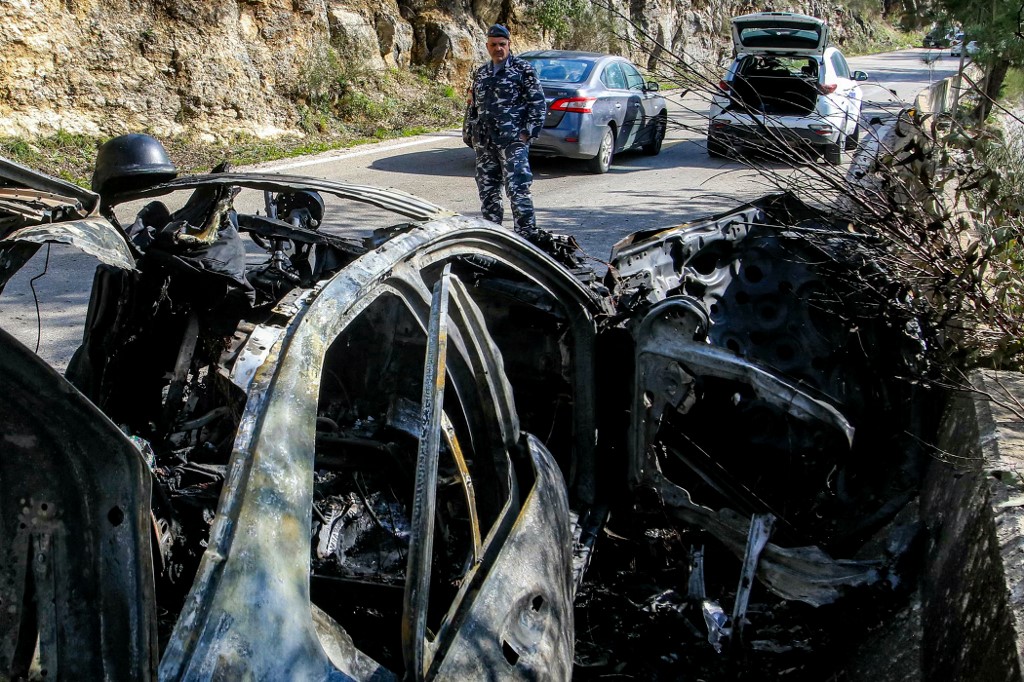
In a recent incident reflecting escalating tensions in the region, an Israeli airstrike on the Deir Zahani area in Nabatieh, southern Lebanon, resulted in the deaths of seven people and injuries to eight others. The Lebanese Ministry of Health confirmed the toll in an official statement, raising concerns about the humanitarian situation in Lebanon.
This airstrike comes at a sensitive time, as the region witnesses increasing tensions between Israel and Hezbollah, heightening fears of military escalation. The strike targeted a civilian area, raising questions about the true objectives behind these military operations.
Details of the Incident
According to the National News Agency of Lebanon, the airstrike occurred late at night, targeting residential areas in Deir Zahani. Local sources reported that the victims were civilians, intensifying criticism against Israel for targeting non-combatants.
Official statements from the Ministry of Health indicate that the injured were transported to nearby hospitals for treatment, as efforts continue to provide necessary care for the wounded. This incident follows a series of sporadic clashes between Israeli forces and Hezbollah fighters, further complicating the security situation in the region.
Background & Context
Historically, relations between Lebanon and Israel have been marked by ongoing tensions, with several wars and conflicts over the years. The most recent conflict dates back to 2006, when the July War erupted between Hezbollah and Israel, resulting in widespread devastation in Lebanon.
Since then, sporadic clashes have continued, particularly in border areas. The situation in Lebanon is also exacerbated by economic and political crises, making it difficult for the Lebanese government to maintain security.
Impact & Consequences
This airstrike represents a serious escalation in the ongoing conflict and may provoke a response from Hezbollah, which may feel compelled to retaliate against this aggression. Such escalation could lead to a new round of violence in the region, increasing the suffering of civilians.
Moreover, these events could affect relations between Lebanon and the international community, as major powers may be forced to intervene in an attempt to calm the situation. Military escalation could negatively impact peace efforts in the region and complicate humanitarian conditions.
Regional Significance
The repercussions of this event extend beyond Lebanon, as any military escalation in the region could impact neighboring countries such as Syria and Palestine. The situation in Gaza may also be affected, as any escalation could lead to a deterioration of humanitarian conditions there.
This incident reflects the ongoing challenges faced by Arab countries in dealing with regional crises and underscores the need for effective strategies to address rising tensions in the area.