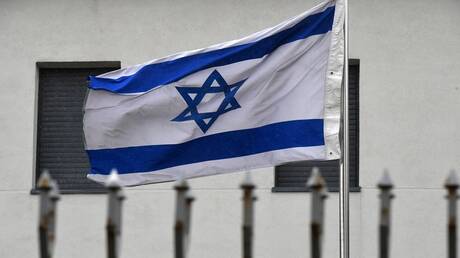
The Israeli Air Force conducted an airstrike in the Lebanese capital, Beirut, targeting a leader of Hezbollah, marking a new escalation in the region. The Israeli authorities have not revealed the name of the target, which increases speculation about the nature and objectives of the operation.
This airstrike comes at a sensitive time when the region is experiencing heightened tensions, as Israel continues to target Hezbollah elements in Lebanon as part of its security policy aimed at undermining the party's influence in the area. An Israeli military statement indicated that this operation is part of their efforts to counter potential threats from Hezbollah, which Israel considers one of its main adversaries in the region.
Details of the Event
According to official reports, the airstrike was executed late at night, indicating precise planning and execution. This operation is one of many that Israel has carried out against Hezbollah-linked targets, as Israel seeks to diminish the military capabilities of the party.
Previous operations targeting Hezbollah leaders have proven effective in weakening the organization, but this airstrike could lead to a new escalation in the ongoing conflict, especially given the tense political situation in Lebanon.
Background & Context
Hezbollah, established in the 1980s, is a key player in Lebanese politics and has significant influence on the regional stage. The relationship between Israel and Hezbollah has seen notable escalation in recent years, particularly following the conflict that erupted in 2006.
Historically, Israeli military operations have targeted the party's leadership in an attempt to halt its military activities, but these operations often provoke strong reactions from Hezbollah, complicating the security situation in Lebanon.
Impact & Consequences
This airstrike may escalate tensions between Israel and Hezbollah, which could negatively impact the security situation in Lebanon. Additionally, these operations may affect relations between Lebanon and neighboring countries, especially amid the fragile political conditions in the country.
Hezbollah is likely to respond to this airstrike, potentially leading to military escalation in the region. Furthermore, these events could influence peace and stability efforts in the Middle East, as fears of a large-scale conflict increase.
Regional Significance
This airstrike is part of a broader conflict between regional powers, with Iran and its allies, including Hezbollah, playing a significant role in regional politics. These events could heighten tensions between Arab countries and Israel, particularly given the difficult economic and political conditions many Arab nations are facing.
Ultimately, the situation in Lebanon and the broader Middle East remains unstable, necessitating close monitoring by the international community to address these challenges.