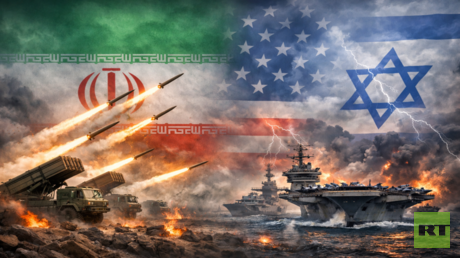
The Israeli military executed a precise airstrike on Iran's largest petrochemical complex, targeting vital infrastructure in the Assaluyeh region in the south of the country. This strike comes as part of a continuous escalation between Israel and Iran, with rising tensions in the area.
The operation, carried out with accurate intelligence guidance, indicates Israel's capability to execute complex military operations beyond its borders, reflecting Tel Aviv's strategy in countering potential threats from Iran. Military sources confirmed that the airstrike was precise and fully achieved its objectives.
Details of the Incident
The Assaluyeh region is considered one of the most important industrial areas in Iran, housing large petrochemical facilities that significantly contribute to the Iranian economy. The Israeli airstrike specifically targeted facilities used for producing essential chemicals, which may impact Iran's ability to manufacture these materials.
This airstrike occurs at a sensitive time, as relations between Iran and Israel are increasingly strained, particularly following statements from Iranian officials regarding the development of their nuclear program. The recent military operation also reflects Israel's commitment to maintaining its national security by targeting any potential threats.
Background & Context
Historically, relations between Iran and Israel have been marked by severe tensions, with Israel viewing Iran as a major threat to its security. For years, Israel has conducted several military operations against Iranian targets in Syria and Lebanon, but this airstrike represents an unprecedented escalation deep within Iranian territory.
Iran, for its part, has repeatedly asserted its right to develop its nuclear program, further intensifying regional tensions. Multiple intelligence reports have indicated Iranian military movements suggesting readiness to confront any external threats.
Impact & Consequences
The Israeli operation may lead to further escalation in the conflict between the two countries, with expectations that Iran will respond to this airstrike in various ways, either by enhancing its military capabilities or through retaliatory operations against Israeli targets.
This airstrike could also influence regional relations, prompting some countries to reassess their alliances amid rising tensions. These events are likely to provoke international reactions, especially from nations seeking stability in the region.
Regional Significance
The recent events in Iran have a direct impact on regional security, potentially increasing tensions in neighboring countries. Arab nations that have relations with Iran may find themselves in a sensitive position, needing to navigate the repercussions of this airstrike.
Moreover, the military escalation could affect global oil markets, as Iran is one of the largest oil producers in the region. Any disruptions in Iranian production could lead to rising oil prices, impacting the global economy.
In conclusion, the Israeli airstrike on the petrochemical complex in Iran reflects a serious escalation in the regional conflict, necessitating close monitoring by the international community to prevent any further escalation.