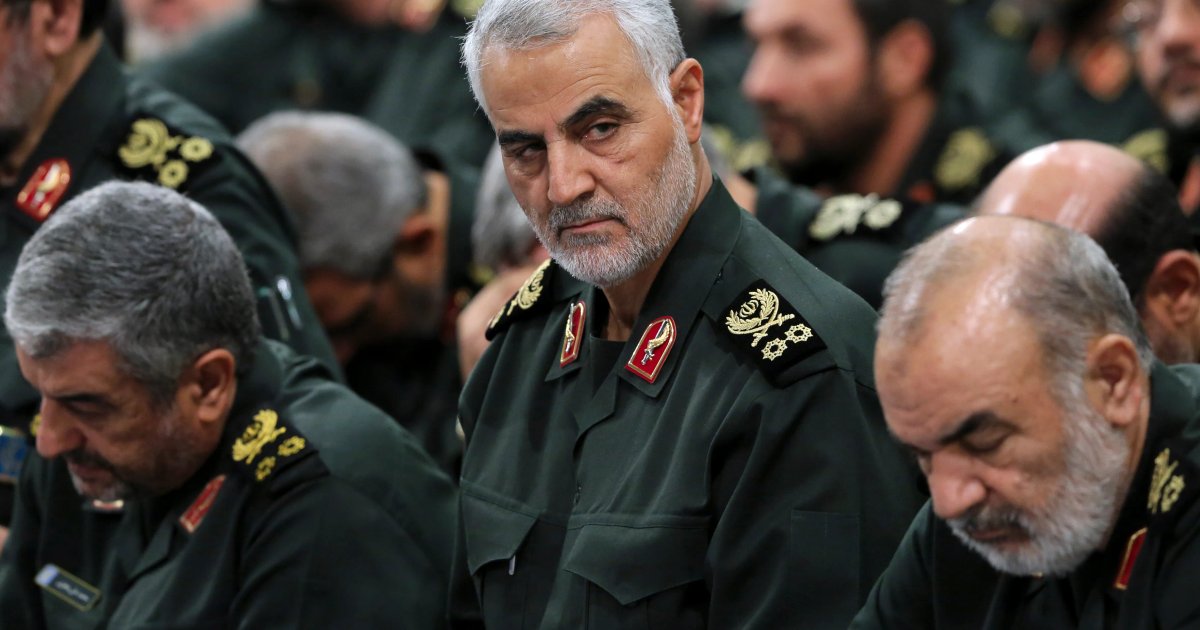
An Israeli airstrike has targeted Yusuf Hashem, the military and security chief for Iraq, according to a source from Hezbollah. This strike occurs at a sensitive time, raising questions about its implications.
Yusuf Hashem is considered a prominent figure in armed groups linked to Iran, playing a significant role in military and security coordination among these factions. The airstrike, details of which have not been specified, is part of the ongoing escalation between Israel and Hezbollah, which has seen increasing tensions recently.
Details of the Incident
According to sources, the Israeli airstrike targeted a location believed to be housing Hashem, resulting in injuries among other fighters. This incident follows a series of reciprocal attacks between the two parties, as Israel seeks to undermine Iranian influence in the region.
Israeli authorities have not officially commented on the incident, but they typically conduct military operations against targets they consider threats to their national security. It is noteworthy that Yusuf Hashem had participated in several military operations against American forces in Iraq, increasing the significance of his targeting for Israel.
Background & Context
Historically, relations between Israel and Hezbollah have been marked by ongoing tensions, especially following the 2006 war. Since then, Hezbollah has become a key player in the regional conflict, seeking to enhance its influence in Iraq and Syria. Yusuf Hashem, regarded as one of the leading military commanders, has contributed to strengthening this influence through the coordination of military operations.
In recent years, Israel has intensified its military operations against Iranian targets in Syria and Iraq, viewing these targets as direct threats to its security. This military escalation demonstrates how conflicts in the region transcend traditional borders, complicating security situations further.
Impact & Consequences
The repercussions of this airstrike continue to raise concerns in political and security circles. Armed factions linked to Iran are expected to respond to this attack, potentially leading to greater escalation in the conflict. Additionally, this incident may affect relations between Iraq and Israel, as targeting prominent figures is seen as a challenge to Iraq's sovereignty.
Moreover, this airstrike could increase tensions in the region, as armed factions may exploit this incident to recruit more fighters and bolster their ranks. The escalation may also impact stability in Iraq, which is already grappling with internal issues.
Regional Significance
This airstrike is part of a broader conflict in the Middle East, where regional and international interests intersect. This event illustrates how local conflicts can affect regional security, placing Arab nations in a precarious position. The escalation between Israel and Hezbollah could have negative repercussions for neighboring countries, especially given the fragile political conditions in the region.
In conclusion, the Israeli airstrike on Yusuf Hashem highlights the complex interactions of conflicts in the Middle East, necessitating careful monitoring by the international community. The potential impact of this event could be far-reaching, calling for international dialogue on how to address these escalating tensions.