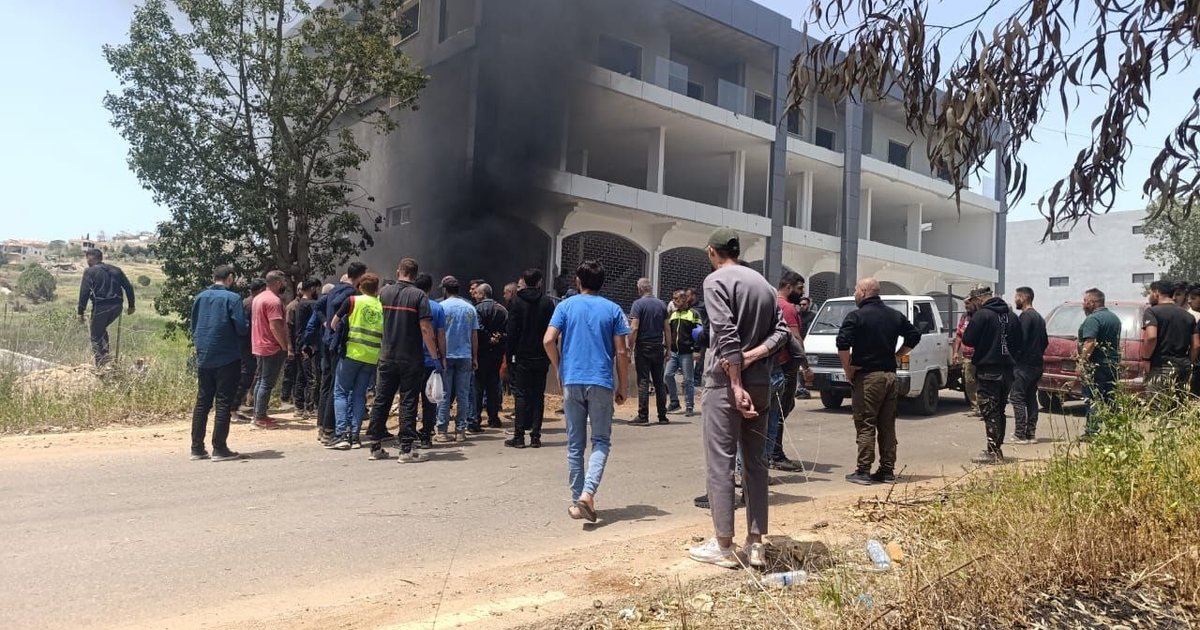
The death toll from Israeli airstrikes in Lebanon has risen to 1189 since the beginning of the ongoing war between Israel and Palestinian factions. These figures come at a time when the country is suffering from a severe humanitarian crisis, with numbers increasing daily due to military escalation.
Reports indicate that Israeli airstrikes have targeted multiple areas in Lebanon, leading to the destruction of infrastructure and the displacement of many residents. The health situation in hospitals has become alarming, as they face a severe shortage of medical supplies.
Details of the Ongoing Conflict
Israeli airstrikes on Lebanon have continued for several weeks, primarily targeting border areas and regions believed to be housing Palestinian factions. Statistics have shown that the number of casualties is on a continuous rise, raising humanitarian concerns.
The Israeli attacks include the use of drones and guided missiles, which increase the precision of strikes and result in significant damage to both public and private property. Human rights organizations have expressed concern over these violations, calling on the international community to intervene.
Background & Context
Historically, Lebanon has witnessed numerous armed conflicts, but the current situation is considered one of the most complex crises. Tensions escalated following the outbreak of war in Gaza, which has directly impacted Lebanon, already grappling with a severe economic crisis.
It is noteworthy that Lebanon hosts a large number of Palestinian refugees, complicating the situation further. Previous wars have exacerbated humanitarian conditions, with many Lebanese living in difficult circumstances.
Impact & Consequences
The repercussions of Israeli airstrikes extend beyond Lebanese borders, affecting regional stability. As the number of casualties rises, international calls for a ceasefire are increasing, which may lead to new diplomatic interventions.
The deteriorating humanitarian conditions could lead to the spread of diseases and food shortages, threatening civilian lives. The United Nations has warned that the situation could become catastrophic if urgent measures are not taken.
Regional Significance
These events are part of the ongoing conflict in the region, directly affecting neighboring countries. With rising numbers, fears of a refugee influx into neighboring states are growing, potentially leading to new crises.
Furthermore, the situation in Lebanon may impact relations among Arab countries, as pressures mount on governments to intervene or take clear stances regarding the events. This situation poses a significant challenge to regional security.
The conditions in Lebanon remain dire, with the death toll rising due to Israeli airstrikes. The continuation of this military escalation threatens to exacerbate humanitarian crises and calls for urgent action from the international community to save civilians.