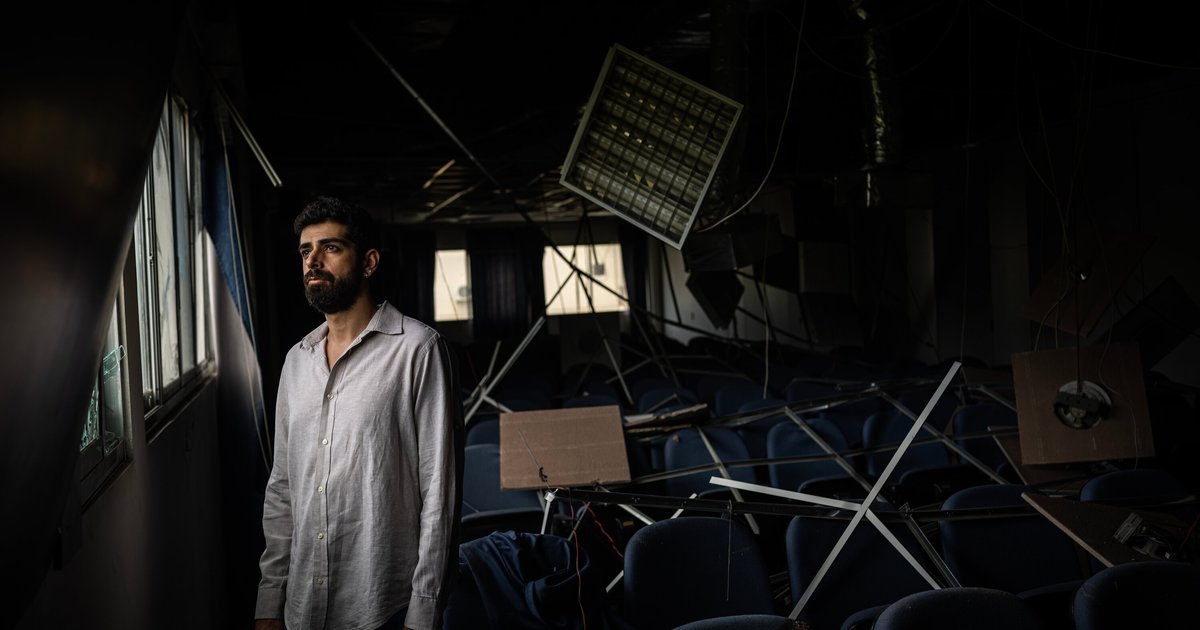
Lebanon's hospitals faced a state of emergency today following Israeli airstrikes that resulted in dozens of martyrs and injuries in Beirut and its suburbs. The attacks, carried out simultaneously, caused panic among residents, further straining the country's faltering healthcare system.
These airstrikes come at a time when Lebanon is suffering from severe economic and health crises, with citizens facing significant difficulties in accessing basic healthcare. Preliminary reports indicate that the number of martyrs has exceeded twenty, while the number of injured has surpassed fifty, raising concerns about the worsening humanitarian situation in the country.
Details of the Incident
Israeli warplanes targeted several areas in Beirut and its suburbs, focusing on sites believed to be affiliated with resistance groups. Images from the incident sites showed extensive destruction of buildings and infrastructure, exacerbating the suffering of residents who are already experiencing a lack of essential services.
Local sources reported that the airstrikes coincided with Israeli military movements along the border, indicating a potential escalation in tensions between the two sides. Emergency teams were summoned to hospitals to provide necessary care for the injured amid a severe shortage of medical supplies.
Background & Context
Historically, Lebanon has experienced ongoing tensions with Israel, particularly since the 2006 war. These airstrikes occur within the context of rising regional tensions, with growing fears of a broader conflict in the area. The political situation in Lebanon is complex, with various political forces vying for power, further increasing the fragility of the security situation.
These events coincide with the economic crises facing Lebanon, where citizens are suffering from acute shortages of food and medicine. Many observers have noted that these airstrikes could exacerbate existing humanitarian crises, necessitating urgent international response.
Impact & Consequences
These airstrikes are expected to heighten tensions between Lebanon and Israel, which could negatively impact regional security. Additionally, military escalation may lead to international interventions, as some countries seek to calm the situation in the area.
Domestically, these events may worsen the political and economic crises in Lebanon, as citizens will find themselves facing new challenges in the absence of stability. Pressure on the Lebanese government to provide an effective response may increase, potentially affecting its ability to manage current crises.
Regional Significance
These airstrikes are part of the ongoing conflict in the region, which affects many Arab countries. The tensions between Israel and Palestinian factions, along with the situation in Lebanon, could lead to broader repercussions for neighboring states.
Concerns are rising that these events could lead to a wider escalation in the conflict, negatively impacting security and stability in the region. The humanitarian crises resulting from these airstrikes may require urgent international response, as many civilians suffer from the effects of the ongoing conflict.
In conclusion, the Israeli airstrikes on Lebanon represent a serious escalation in the ongoing conflict, necessitating urgent international attention. The international community must act swiftly to alleviate humanitarian suffering and ensure that conditions do not worsen in the region.