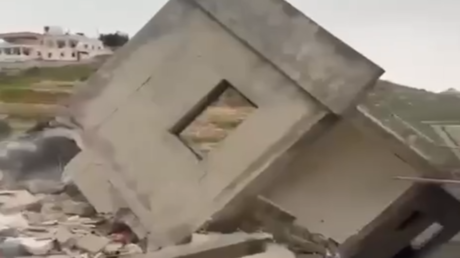
Israeli forces have carried out demolition and bombing operations in southern Lebanon, specifically in the towns of Naqoura, Bayada, and Dibl, leading to civilian casualties. These operations also included the burning of farms and shops in the region, marking a new escalation in tensions between the two sides.
These operations come at a sensitive time, as the region is witnessing an increase in hostilities, exacerbating the suffering of civilians living under the ongoing conflict. Local reports have documented significant damage to property, raising concerns about the humanitarian impact of these operations.
Details of the Incident
Local sources reported that Israeli forces detonated several homes in Naqoura, Bayada, and Dibl, resulting in their complete destruction. Additionally, farms and shops were set ablaze, further increasing the suffering of residents who rely on these facilities for their daily lives. Images circulated on social media depict the extent of the destruction caused by these operations, with homes appearing completely devastated.
These attacks are part of a military escalation by Israel, coinciding with rising tensions in the area. Eyewitnesses noted that Israeli aircraft were flying overhead during these operations, heightening fears of a larger escalation in the coming days.
Background & Context
Historically, southern Lebanon has experienced ongoing tensions between Israeli forces and Hezbollah, with the region being a stage for numerous armed conflicts. Since Israel's withdrawal from Lebanon in 2000, relations between the two sides have remained strained, with repeated military attacks and responses.
In recent years, the intensity of tensions has notably increased, particularly with the escalation of Israeli military operations against targets in Lebanon. The humanitarian situation in the region has significantly deteriorated, as residents suffer from a lack of basic resources due to the ongoing conflict.
Impact & Consequences
Reports indicate that Israeli military operations could exacerbate the humanitarian situation in southern Lebanon, where residents are facing shortages of humanitarian aid. These operations may also heighten tensions between Israel and Hezbollah, potentially leading to a larger escalation of the conflict.
These events are expected to impact relations between Lebanon and Israel, potentially prompting the Lebanese government to take diplomatic or military actions in response to these violations. The international community may also intervene to pressure both sides to halt the escalation, but the outcomes remain uncertain.
Regional Significance
The events in southern Lebanon are part of a larger picture of conflict in the region, affecting neighboring Arab countries amid ongoing tensions. The escalation of violence in Lebanon could impact stability in countries such as Syria and Palestine, complicating the situation further in the region.
Moreover, these events may influence relations between Arab countries and Israel, as calls for solidarity with Lebanon against Israeli attacks could increase. The situation in Lebanon highlights the urgent need for a comprehensive resolution to the conflict in the region, which requires effective international efforts.
In conclusion, the situation in southern Lebanon remains tense, with ongoing Israeli military operations directly affecting civilian lives. The international community is called upon to intervene to ensure the protection of civilians and work towards achieving peace and stability in the region.