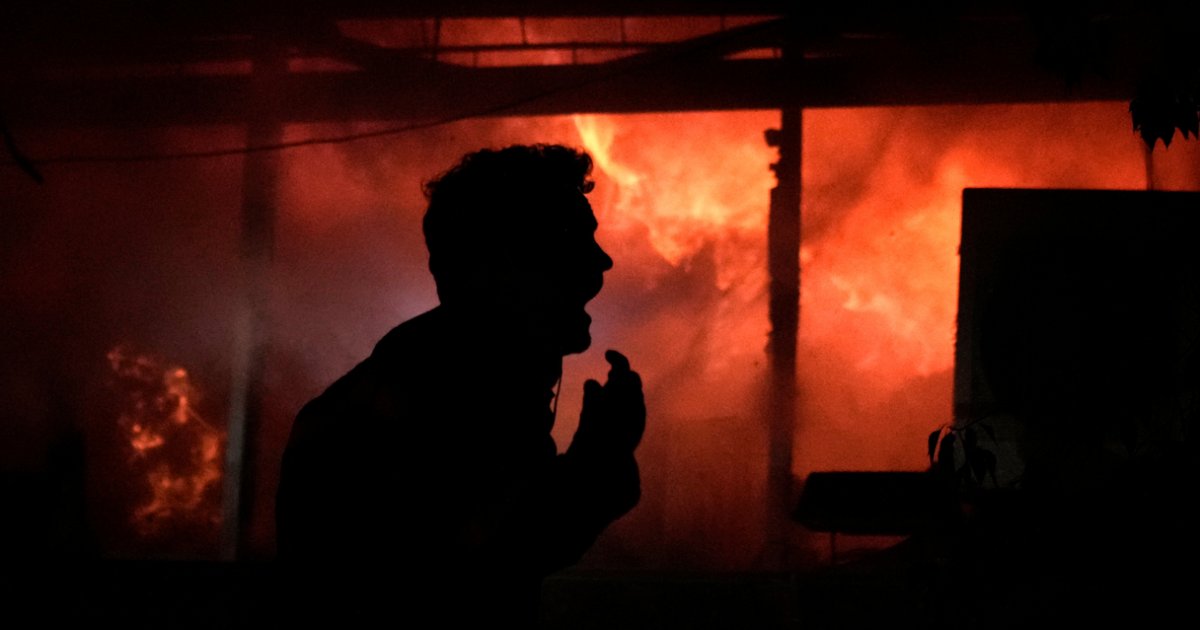
Two Israeli airstrikes on the Lebanese capital, Beirut, have resulted in the deaths of 12 individuals, marking a new escalation in military actions in the region. The attacks come amid rising tensions in Lebanon, raising concerns over the humanitarian and security situation in the country.
The Israeli strikes targeted residential areas, causing widespread destruction as rescue teams rushed to the bombing sites to search for survivors and assist the injured. Local sources have confirmed that many of the victims are civilians, intensifying international condemnation of these military actions.
Details of the Attacks
Reports indicate that the first strike occurred early this morning, targeting a crowded residential area. The second strike followed shortly after, leading to panic among the residents. Images circulated on social media show the extent of the destruction inflicted on homes and infrastructure.
The Lebanese authorities have strongly condemned these attacks, considering them a blatant violation of Lebanese sovereignty. They have also called on the international community to intervene to halt the Israeli military escalation, which threatens security and stability in the region.
Background & Context
Historically, Lebanon has witnessed numerous conflicts with Israel, particularly during wars that erupted in past decades. These airstrikes come in the context of increasing tensions between the two sides, as Israeli attacks on Lebanese territory rise amid escalating political and economic crises in Lebanon.
It is worth noting that the situation in Lebanon has deteriorated in recent years due to economic and political crises, making it difficult for many Lebanese to live under challenging conditions. These circumstances hinder the Lebanese government’s ability to respond to humanitarian crises resulting from military attacks.
Impact & Consequences
The repercussions of these airstrikes extend beyond Lebanese borders, raising concerns in international circles about regional stability. The attacks could lead to greater military escalation, threatening regional security and increasing civilian suffering.
These events may also affect relations between Lebanon and Western countries, which advocate for human rights. It is likely that these airstrikes will lead to international calls for holding Israel accountable for its violations, potentially altering the dynamics of regional politics.
Regional Significance
These airstrikes are part of a series of events reflecting ongoing tensions in the Arab region. The situation in Lebanon could impact neighboring countries, especially amid the political and economic crises faced by many Arab nations.
The military escalation may also affect peace efforts in the region, as the international community seeks to find lasting solutions to conflicts. This situation highlights the urgent need for dialogue and understanding among all parties involved.
In conclusion, the situation in Lebanon remains under close observation, as Lebanese citizens hope for an end to these military actions and a return to peace in their country.