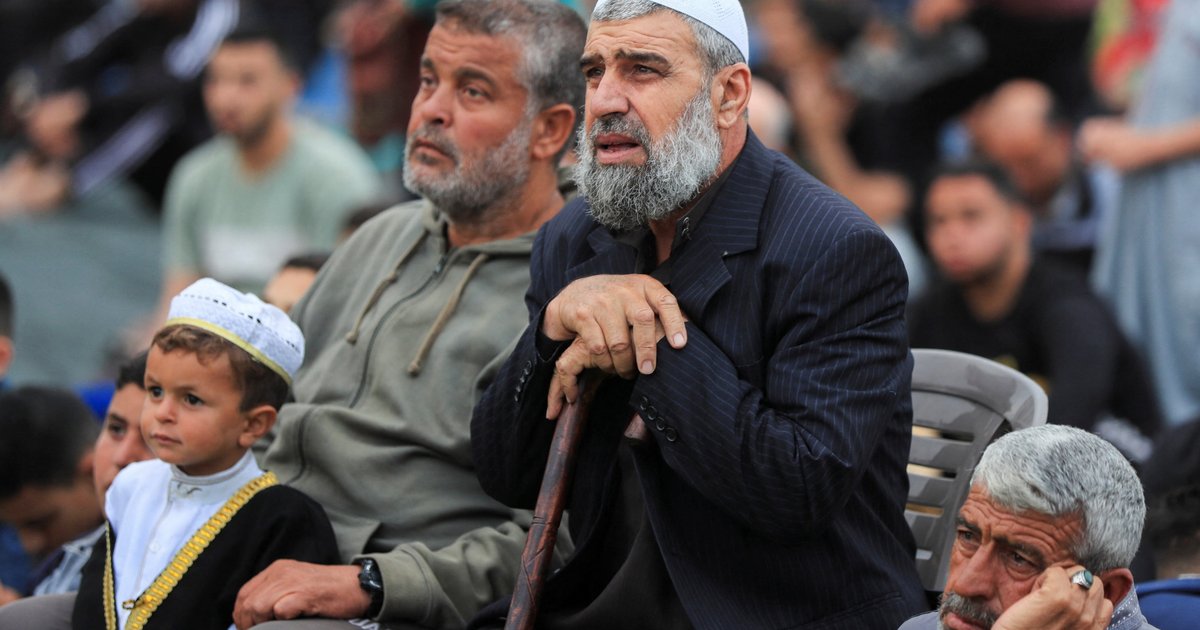
Israeli bombardments persisted in the Gaza Strip on the first day of Eid al-Adha, with reports indicating that ceasefire violations have surpassed 3000. The airstrikes targeting residential areas led to the death of six people, exacerbating the suffering of Palestinians amid dire humanitarian conditions.
The latest strike targeted a residential building in the Rimal neighborhood of Gaza City, resulting in the deaths of several civilians, including members of the family of Mohammed Awda, who is alleged to be the commander of Hamas's military wing. While Hamas has not officially confirmed his death, sources within the movement reported that his wife and two children also perished in the strike.
Details of the Incident
These airstrikes coincided with Eid al-Adha celebrations, as Palestinians were preparing to perform the holiday prayers. The Israeli strikes come at a sensitive time, as Gaza has been under a suffocating blockade for years, worsening the humanitarian and economic situation.
Since the ceasefire agreement came into effect last October, hundreds of Palestinians have been killed in Israeli airstrikes, raising concerns about the sustainability of this situation. According to the Government Media Office in Gaza, 3005 ceasefire violations have been recorded so far, reflecting a continuous escalation in attacks.
Background & Context
Historically, the Gaza Strip has witnessed an escalation in the conflict between Israel and Hamas, with both sides exchanging accusations of human rights violations. Since 2007, the residents of Gaza have suffered from a crippling Israeli blockade, significantly impacting their daily lives, as the region lacks essential resources such as water and electricity.
In recent years, the intensity of the conflict has increased, particularly following heightened tensions in Jerusalem and the West Bank. As Eid al-Adha approached, a decrease in hostilities was anticipated; however, events have proven otherwise.
Impact & Consequences
The recent airstrikes underscore the ongoing tensions in the region, threatening peace efforts and increasing the suffering of civilians. The humanitarian situation in Gaza is deteriorating, as residents face difficulties in accessing essential aid.
International calls for a cessation of hostilities are growing, yet the situation appears to remain tense. The continuation of violations could exacerbate conditions and intensify the conflict, negatively impacting security and stability in the region.
Regional Significance
The events in Gaza have significant implications for Arab countries, as humanitarian and political issues evoke feelings of solidarity among Arab peoples. Many Arab nations are calling for an end to the blockade and the urgent provision of humanitarian aid to Gaza's residents.
Moreover, the ongoing conflict could lead to political ramifications at the regional level, potentially affecting relations between Arab states and Israel, and increasing tensions in other areas.
In conclusion, the situation in Gaza remains a focal point for the world, highlighting the urgent need for solutions to end humanitarian suffering and achieve peace.