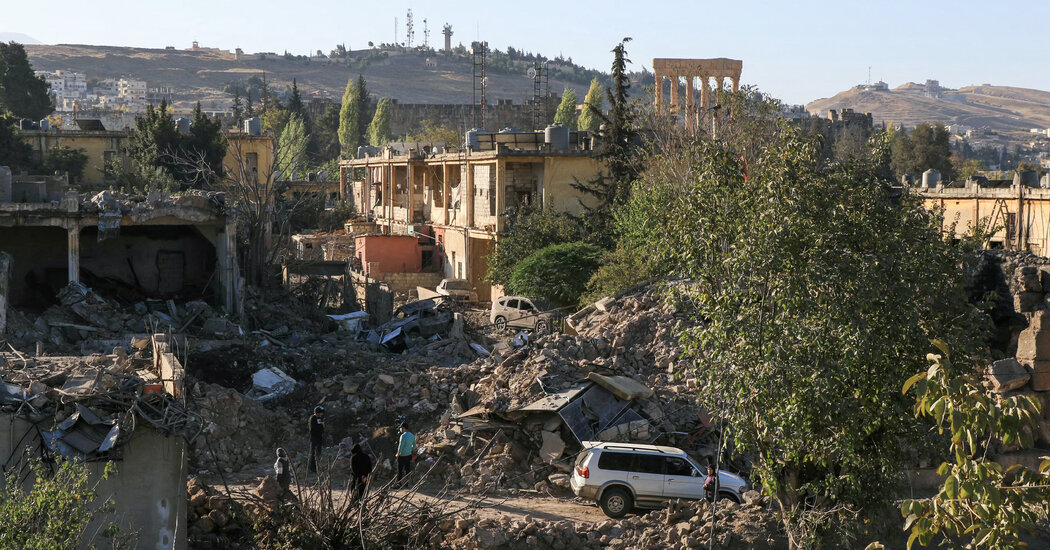
Israeli forces conducted new airstrikes across various regions of Lebanon during the night on Sunday, escalating tensions in the area. The Lebanese Ministry of Health reported that the total death toll from the ongoing Israeli attacks, which have persisted for over a month, has risen, raising concerns about the humanitarian situation in the country.
These strikes come at a sensitive time as Lebanon grapples with multiple crises, including economic and political turmoil. These circumstances have severely impacted the Lebanese government's ability to provide necessary support to those affected by the conflict, exacerbating the suffering of civilians in the impacted areas.
Details of the Event
In the early hours of Sunday morning, Israeli warplanes targeted several areas in Lebanon, including the southern suburbs of Beirut, which is considered a stronghold of Hezbollah. The airstrikes resulted in widespread destruction of property, along with civilian casualties.
Reports indicate that these strikes are part of an ongoing escalation by Israel, which justifies its operations as targeting Hezbollah positions, while Lebanese authorities assert that these attacks directly affect civilians.
Background & Context
The roots of the conflict between Israel and Lebanon date back decades, with the region experiencing recurring conflicts. Since the outbreak of war in 2006, tensions between the two sides have increased, particularly with the rise of military activities by Hezbollah. The political and economic crises in Lebanon have further aggravated the situation, making the country more susceptible to external interventions.
The humanitarian situation in Lebanon has been significantly impacted by these multiple crises, including the Syrian refugee crisis, complicating the landscape further. Humanitarian reports indicate that many Lebanese are suffering from severe shortages of basic resources, making them more vulnerable to violence.
Impact & Consequences
The escalation of Israeli attacks on Lebanon could exacerbate the humanitarian situation, increasing the need for humanitarian aid. Additionally, these airstrikes may affect regional stability, potentially provoking reactions from Hezbollah or even interventions from other countries in the region.
Moreover, the continuation of the conflict could negatively impact peace efforts in the region, as talks among the involved parties stall. This escalation may contribute to heightened tensions between neighboring countries, increasing the risk of new conflicts erupting.
Regional Significance
The events in Lebanon are part of a larger picture of conflicts in the Arab region, where political and economic crises persist in many countries. The ongoing conflict in Lebanon may affect relations between Arab states and increase tensions among various factions.
Furthermore, the situation in Lebanon highlights the humanitarian challenges faced by many Arab countries, necessitating a response from the international community to assist those affected by conflicts. The recurring crises in the region require coordinated efforts to alleviate civilian suffering.
In conclusion, the situation in Lebanon remains under scrutiny as the international community seeks lasting solutions to the conflict. A swift and effective response to the humanitarian crisis may be key to achieving stability in Lebanon and the region.