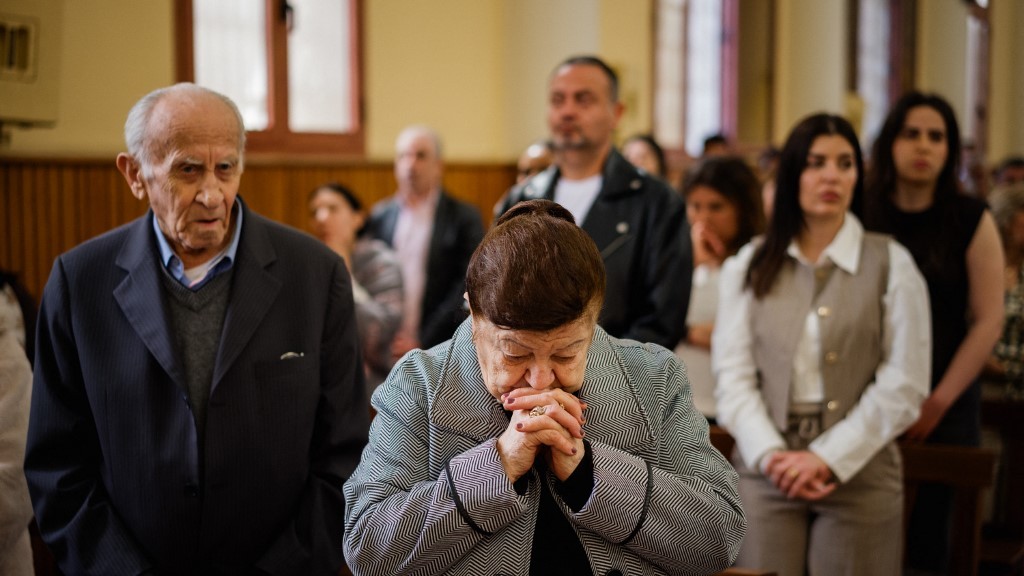
Lebanon experienced multiple Israeli airstrikes on Sunday, marking one of the bloodiest nights since the resumption of Israeli attacks in March. These strikes resulted in the deaths of at least 11 individuals while the nation was celebrating Easter.
The attacks included bombings in various regions, including the capital, Beirut, where artillery shelling was reported in the south, with the latest strikes recorded in the town of Tabbineh in southern Lebanon. Many media outlets noted that this day is among the most violent since the onset of Israeli aggression in March.
Details of the Incident
An Israeli airstrike on the village of Kfarhatta in southern Lebanon resulted in the deaths of seven people, including a four-year-old child. Another attack on the Al-Jnah neighborhood in Beirut led to the deaths of four individuals and injuries to 39 others. Israeli forces confirmed that they targeted what they described as the "infrastructure of Hezbollah" in Beirut.
It is noteworthy that Lebanon entered into conflict with Israel in early March after Hezbollah launched rockets at Israel in response to the assassination of Iranian Revolutionary Guard commander Qassem Soleimani. Since then, the death toll in Lebanon has risen to 1,461 people, including 129 children, according to the Lebanese Ministry of Health.
Background & Context
Historically, Lebanese-Israeli relations have been marked by increasing tensions, particularly with the escalation of military activities by Hezbollah. The ongoing conflict has led to the displacement of over one million people from their homes, reflecting the devastating impact of this conflict on civilians.
At the same time, the main border crossing connecting Lebanon to Syria has been closed following Israeli threats to target it. Israeli forces claimed that the crossing was being used by Hezbollah to smuggle military equipment, further complicating the security situation in the region.
Impact & Consequences
These airstrikes are part of a broader escalation in the regional conflict, where Israeli and American interests intersect with Iranian activities in the area. This escalation could exacerbate the humanitarian situation in Lebanon and heighten tensions between Lebanon and Israel.
The continuation of the attacks may affect the stability of the Lebanese government and increase pressure on the international community to intervene. These dynamics are expected to continue influencing regional security, necessitating urgent attention from the international community.
Regional Significance
The repercussions of these events extend beyond Lebanon, affecting relations between Arab countries and Israel. The military escalation may lead to a reassessment of Arab nations' strategies in dealing with Israel and increase calls for Arab solidarity in the face of Israeli threats.
In conclusion, this escalation in Lebanon serves as a stark reminder of the ongoing challenges facing the region and reflects the urgent need for sustainable diplomatic solutions to end the persistent conflicts.