The Lebanese Ministry of Health announced that 21 individuals were injured as a result of Israeli airstrikes that targeted the town of Marjeyoun and the Al-Hosh area in southern Lebanon. This escalation comes at a time when the region is witnessing increasing tensions, with reports also indicating an Israeli strike on the town of Qatrani in the Jezine district.
In a related context, Hezbollah announced that it targeted an Israeli gathering with missiles in the Kahil triangle in the town of Marwan Ras at dawn. This coincided with the activation of sirens in the Hula Valley and several towns in the Upper Galilee following the launch of missiles from Lebanon.
Details of the Incident
These airstrikes are part of a mutual military escalation between Israel and Hezbollah, as the region has witnessed an increase in hostilities over the past few days. Eyewitnesses reported that the Israeli airstrikes targeted civilian areas, resulting in injuries among civilians.
These events are part of a series of military escalations that have occurred along the Lebanese-Israeli border, where each side seeks to achieve its strategic objectives amid a state of instability in the region.
Background & Context
Historically, the Lebanese-Israeli border has always been a theater for military tensions, having witnessed several wars and conflicts since 1948. In recent years, the intensity of tensions has increased due to the military activities of Hezbollah, which is supported by Iran and considers Israel a primary enemy.
These events coincide with rising tensions in the region as a whole, where regional and international interests intersect, complicating the security situation further. Additionally, the situation in Lebanon, which is suffering from economic and political crises, exacerbates the tensions.
Impact & Consequences
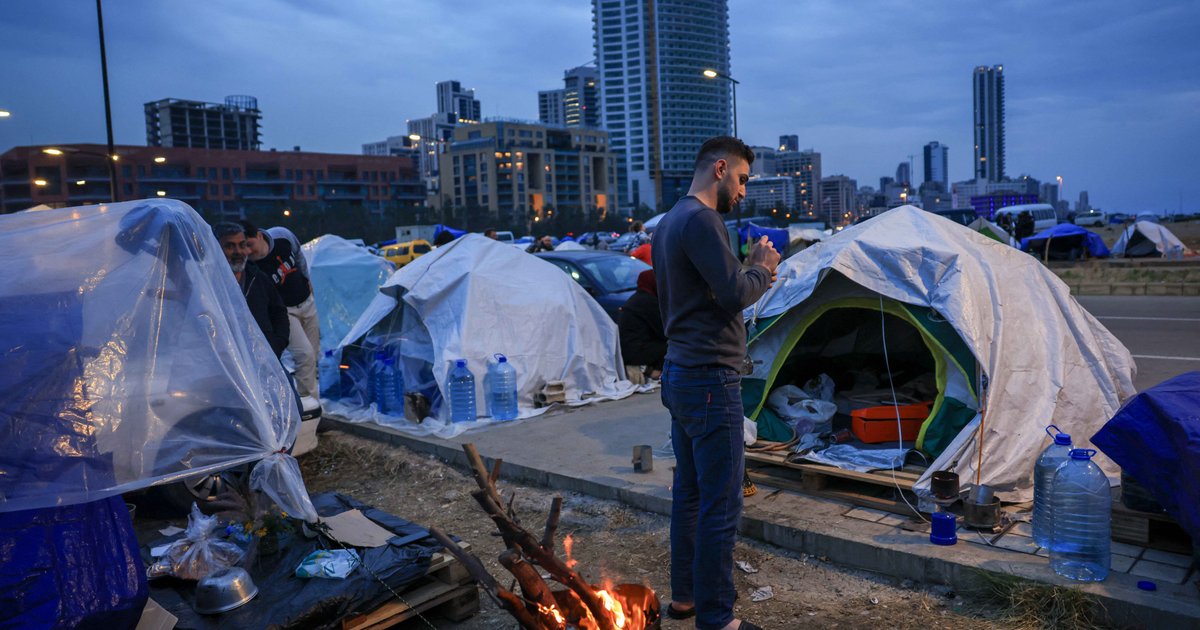
These airstrikes could lead to a greater escalation in the conflict between Israel and Hezbollah, which may negatively impact regional security. The military escalation could also affect the humanitarian situation in Lebanon, where the population is already suffering from difficult economic conditions.
These events are likely to lead to international interventions, as major powers seek to calm the situation and prevent further escalation of the conflict. There are also concerns that hostilities could lead to mass displacement of populations from the affected areas.
Regional Significance
The current events in southern Lebanon are part of a larger picture of tensions in the Arab region, where political and military interests overlap. The escalation of the conflict between Israel and Hezbollah may affect relations between Arab countries and Israel, especially amid normalization attempts being witnessed by some nations.
In conclusion, the situation in Lebanon and southern Lebanon remains under close observation, as any escalation could lead to widespread repercussions on regional security and relations between Arab states.