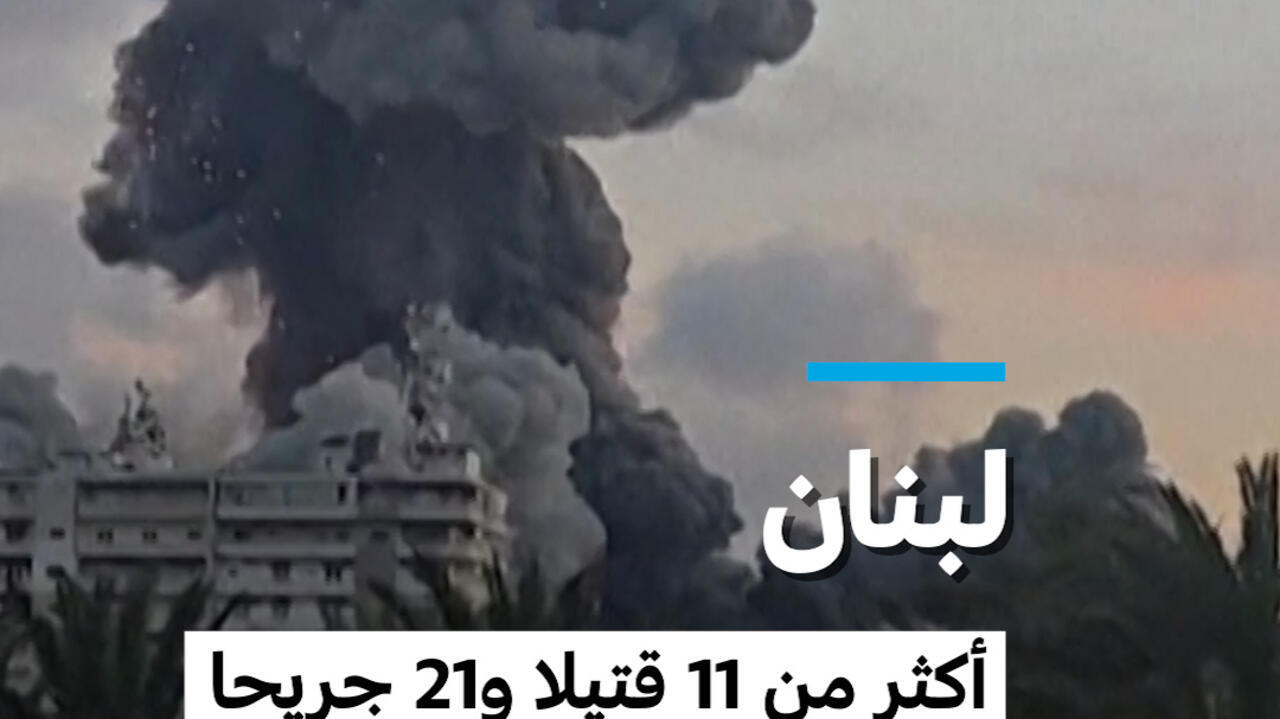
Israeli airstrikes on the city of Sidon in southern Lebanon have resulted in the deaths of over 11 individuals, including two children and two women, with 21 others injured. These strikes occur during a sensitive period as Israel has unilaterally declared a combat zone extending 40 kilometers into Lebanese territory, heightening tensions in the region.
Details of the incident reveal that Israeli warplanes targeted residential areas in Sidon, leading to widespread destruction of buildings and property. An apartment in the Shweifat area, located south of Beirut, was also struck, reflecting an escalation in Israeli military operations against Lebanese targets.
Incident Details
Reports indicate that the Israeli airstrikes targeted densely populated areas, resulting in civilian casualties. Local sources confirmed that the victims were at home when the area was bombed. The injured were transported to nearby hospitals for treatment.
These airstrikes come amid increasing tensions along the Lebanese-Israeli border, where both sides are exchanging accusations of escalation. Israeli officials have stated that military operations aim to undermine the capabilities of Hezbollah, which they consider a security threat.
Background & Context
Historically, the Lebanese-Israeli border has witnessed numerous armed conflicts, with Hezbollah being a key player in the struggle. Since the 2006 outbreak of the Second Lebanon War, there have been periods of relative calm, but tensions have never completely dissipated.
In recent years, concerns about a new escalation in the region have grown, particularly with the increase in Israeli military activities. These events have impacted the humanitarian situation in Lebanon, where residents are suffering from the ongoing conflict's repercussions.
Impact & Consequences
The recent airstrikes underscore the escalating tensions in the region, which may provoke a response from Hezbollah. These events could lead to greater military escalation, threatening stability in Lebanon and the broader region.
Additionally, these airstrikes may affect relations between Lebanon and Israel, potentially intensifying diplomatic tensions. Such events could prompt the international community to intervene to mitigate the escalation.
Regional Significance
The events in Lebanon are part of the larger picture of the conflict in the Middle East, where regional and international interests intersect. These airstrikes may impact regional security, raising concerns about escalating conflicts in other countries such as Syria and Palestine.
In a broader context, these events could exacerbate humanitarian crises in the region, as many populations suffer from the effects of ongoing conflicts. They may also affect peace efforts in the area, making it more challenging to achieve stability.