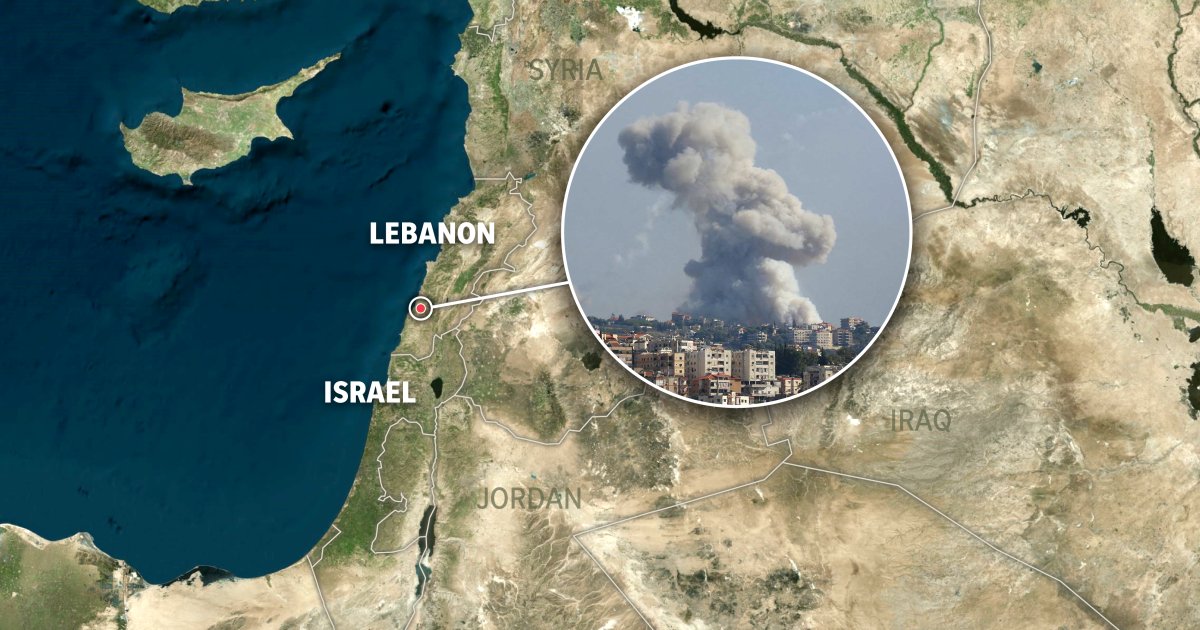
Israeli airstrikes on various areas in southern Lebanon on Sunday resulted in the deaths of 11 individuals, including two medics, and left several others injured. These attacks come at a time when Lebanon is experiencing a serious military escalation, with Israeli aircraft targeting a center of the Islamic Health Authority near the Benin Jbeil Hospital.
According to the Lebanese news agency, the assault on the health center led to the deaths of the medics while they were performing their humanitarian duties. Additionally, nine other people were killed in a strike that targeted the towns of Haniyah and Jawiya in the Tyre District, highlighting the severity of the humanitarian situation in the area.
Details of the Incident
The Israeli attacks on Lebanon are ongoing, and this is not the first targeting of health personnel. The Lebanese Minister of Health, Rakan Nasr al-Din, reported that nine hospitals have been targeted by Israeli strikes since March 2, leading to five of them being rendered inoperable. Furthermore, 18 attacks on ambulance centers have been recorded, damaging 48 vehicles.
In a related context, Israeli warplanes conducted strikes on a house in the town of Dabial, in addition to targeting the outskirts of the towns of Babtouleh and Deir Qanoun Ras al-Ain. The town of Al-Bayadah and the city of Benin Jbeil also experienced heavy artillery shelling, with no immediate information available regarding the extent of the damages.
Background & Context
These airstrikes are part of a continuous military escalation that has been ongoing since the beginning of the war waged by Israel and the United States against Iran, a strategic ally of Hezbollah, since February 28. This war has resulted in hundreds of casualties, including Iran's Supreme Leader, Ali Khamenei, complicating the situation in the region further.
Historically, Israel occupies areas in southern Lebanon, a situation that has persisted for decades, contributing to the exacerbation of humanitarian and political crises in the country. The region has witnessed increasing tensions since the last war between October 2023 and November 2024.
Impact & Consequences
Concerns are rising regarding the implications of these airstrikes on the humanitarian situation in Lebanon, where residents are suffering from a severe shortage of health and food services. Additionally, targeting medical personnel complicates the provision of healthcare for the wounded and injured, worsening the humanitarian crises.
Moreover, the continuation of military escalation could lead to an explosion of conditions in the region, threatening Lebanon's stability and increasing tensions among regional and international powers. This escalation could also affect relations between Lebanon and neighboring countries, complicating peace efforts in the region.
Regional Significance
These events are part of a broader landscape of conflicts in the Arab region, where political and economic crises intertwine with military tensions. The escalation of hostilities in Lebanon could negatively impact neighboring countries, increasing the flow of refugees and humanitarian issues.
Furthermore, these developments may affect regional stability, as Arab nations strive to achieve security and peace amid growing challenges. The situation in Lebanon reflects the challenges facing the entire region, necessitating an urgent response from the international community.