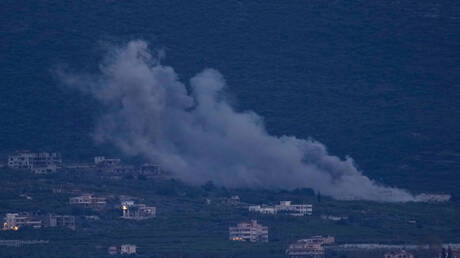
Israeli airstrikes in Lebanon during the past 24 hours have resulted in the deaths of 24 individuals and injuries to more than 100 others, coinciding with intense clashes between Hezbollah and the Israeli army. These events come amid escalating tensions in the region, raising concerns about the worsening humanitarian and political situation in Lebanon.
Reports indicate that the airstrikes targeted multiple areas in Lebanon, including regions near the border with Israel. These attacks have led to widespread destruction, exacerbating the suffering of civilians who are already grappling with economic and political crises.
Details of the Incident
In recent hours, Israeli warplanes have launched intensive strikes on targets believed to be affiliated with Hezbollah, resulting in numerous civilian casualties. Local sources reported that some of the strikes targeted homes and civilian facilities, increasing concerns about the safety of the population.
These airstrikes come at a time when Lebanon is witnessing an escalation in clashes between Hezbollah and the Israeli army, with both sides exchanging accusations of responsibility for the escalation. Images and videos circulated on social media have highlighted the extent of the destruction in the targeted areas, shedding light on the humanitarian impact of these conflicts.
Background & Context
Historically, Lebanon has experienced recurring conflicts with Israel, especially since the 2006 war, which left deep scars on the Lebanese infrastructure and economy. Hezbollah, considered one of the prominent armed factions in Lebanon, faces significant challenges amid the political and economic crises plaguing the country.
These events coincide with rising regional tensions, with increasing fears that these clashes could lead to a larger escalation in the conflict. Additionally, the situation in Lebanon may be influenced by developments in Syria, where regional powers play a crucial role in shaping the course of events.
Impact & Consequences
Estimates suggest that the escalation of violence in Lebanon could worsen the humanitarian situation, as many Lebanese are suffering from shortages of essential goods and healthcare services. Furthermore, the continuation of clashes may hinder relief efforts and humanitarian assistance, increasing the suffering of civilian populations.
Moreover, military escalation could affect regional stability, potentially leading to external interventions or heightened conflicts in neighboring areas. The situation may also raise concerns within the international community, which is striving to achieve stability in the region.
Regional Significance
The events in Lebanon are part of a larger picture of conflicts in the region, where regional and international interests intersect. The ongoing violence in Lebanon could impact relations between Arab countries and increase tensions in other areas such as Syria and Palestine.
While many Arab nations are striving for stability and development, the escalation of violence in Lebanon may hinder these efforts and amplify the challenges faced by governments in the region.
In conclusion, the situation in Lebanon requires urgent attention from the international community, as the continuation of violence and clashes could exacerbate humanitarian and political crises. Stakeholders must work towards achieving peace and stability in the region before conditions deteriorate further.