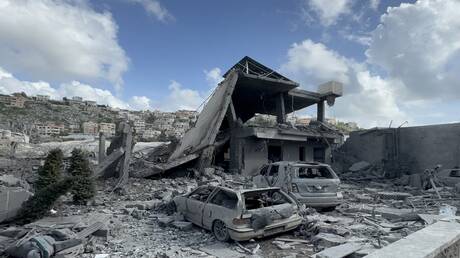
The Lebanese Disaster Risk Management Unit announced that the daily toll from Israeli bombardments has reached 49 dead and 116 injured. This escalation comes at a time when the country is suffering from severe economic and humanitarian crises, exacerbating the plight of civilians and reflecting the deteriorating security situation in the region.
Israeli airstrikes continue across various areas in Lebanon, primarily targeting border regions. Reports indicate that the bombardment has hit residential areas, leading to civilian casualties, including women and children. This military escalation raises concerns within the international community, which is calling for an urgent cessation of hostilities and protection for civilians.
Details of the Incident
The frequency of Israeli airstrikes on Lebanon has increased over the past few days, with airstrikes concentrated in southern Lebanon, resulting in the destruction of numerous homes and infrastructure. Local sources have confirmed that the strikes have not been limited to military targets but have also affected residential areas, resulting in civilian casualties.
In related developments, eyewitnesses reported that the bombardment has caused panic among residents, who are already suffering from the repercussions of the economic and political crises plaguing the country. Humanitarian organizations have issued urgent appeals for assistance to those affected, amid deteriorating health and humanitarian conditions.
Background & Context
Historically, Lebanon has experienced ongoing tensions with Israel, especially following the conflict that erupted in 2006. Since then, clashes and airstrikes have recurred, leaving negative impacts on Lebanon's security and economic situation. Additionally, the country is grappling with a severe economic crisis, where living conditions have worsened due to the collapse of the Lebanese pound and rising unemployment rates.
These airstrikes are part of the ongoing conflict in the region, where political and military dimensions intersect. As tensions escalate, concerns grow about the potential for a larger conflict that could affect the stability of the entire region.
Impact & Consequences
Reports indicate that the military escalation could exacerbate the humanitarian situation in Lebanon, where residents are facing acute shortages of food and medical supplies. The continuation of bombardments may lead to further displacement of people, increasing the burden on host communities.
On the international front, this escalation could prompt new diplomatic interventions, as some countries seek to calm the situation. However, the effectiveness of these efforts remains in question amid rising violence and instability in the region.
Regional Significance
The situation in Lebanon represents a part of a larger picture of conflicts in the Arab region. The tensions between Israel and Hezbollah affect regional security and could escalate conflicts in neighboring countries. Additionally, the humanitarian crises in Lebanon may impact neighboring countries, as refugees could flow into nations like Syria and Jordan.
Ultimately, the situation in Lebanon remains concerning, with increasing fears over the implications of Israeli airstrikes on civilians. An urgent response from the international community is required to protect civilians and provide necessary assistance under these challenging circumstances.