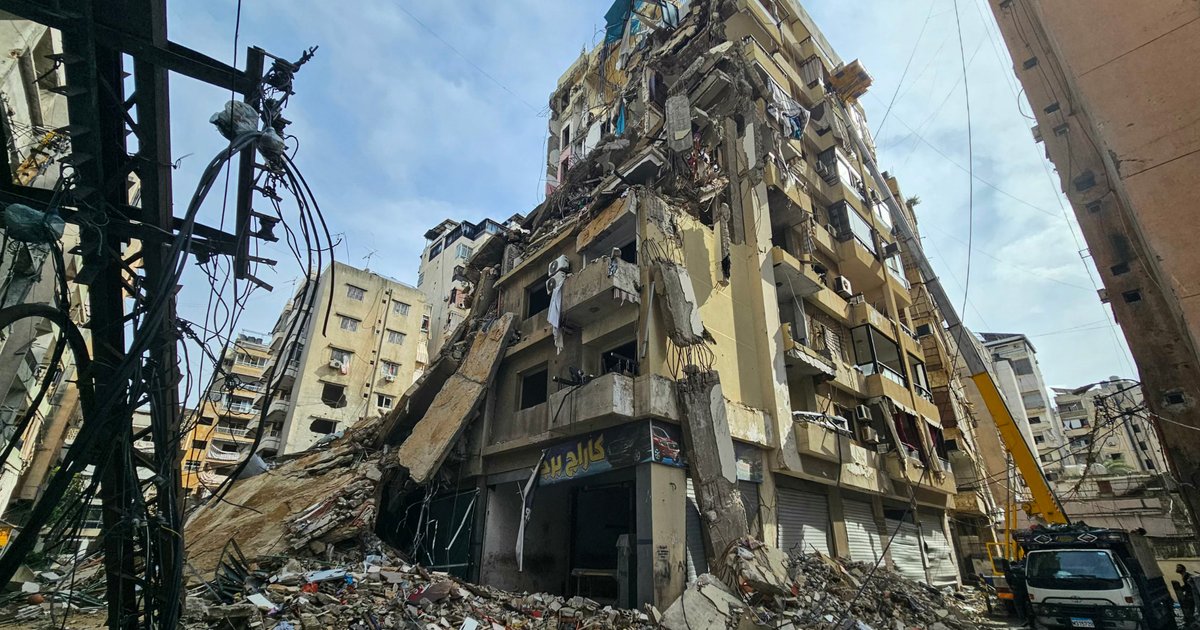
Lebanese Health Minister Rakan Nasruddin announced that the death toll among medical personnel since March 2 has reached 51, including 46 paramedics and 5 healthcare workers. This statement was made during a press conference held in Beirut, where the minister confirmed that nine of these victims were killed just last Saturday.
Nasruddin explained that among the nine fatalities, four were members of the Islamic Health Committee affiliated with Hezbollah, who were targeted by Israeli airstrikes while conducting rescue operations, in addition to five members of the Amal Movement scouts, who were also on standby.
Details of the Incident
These incidents are part of a continuing escalation in Israeli attacks on Lebanon, where paramedics and healthcare workers have been repeatedly targeted. This has raised significant international concern, as targeting medical personnel while they perform their humanitarian duties is considered a war crime under international law.
Reports indicate that Israeli attacks have notably increased recently, leading to the deaths of many civilians and healthcare workers. Human rights organizations have expressed their alarm over these violations and called on the international community to take urgent action to protect civilians.
Background & Context
Historically, Lebanon has suffered from ongoing conflicts, especially since the civil war that erupted in 1975. Since then, the country has witnessed numerous armed conflicts, including wars with Israel. In recent years, tensions between Lebanon and Israel have escalated, particularly with increased military activities in the border area.
Medical personnel in Lebanon are among the most vulnerable, working under extremely challenging conditions. Reports have shown that many of these workers face ongoing threats while performing their duties, complicating the humanitarian situation in the country.
Impact & Consequences
The repercussions of these attacks extend beyond Lebanon, affecting regional stability in general. Targeting medical personnel reflects an escalation in the conflict, which could exacerbate humanitarian conditions and increase civilian suffering.
Moreover, these events may impact relations between Lebanon and other countries, as strong international reactions are expected. Emergency meetings of the United Nations Security Council may be convened to discuss these violations, potentially increasing pressure on Israel to cease its attacks.
Regional Significance
These events serve as a wake-up call for Arab nations, highlighting the urgent need to enhance regional cooperation to address security and humanitarian challenges. The situation in Lebanon could also affect stability in neighboring countries, necessitating a unified Arab response to confront these violations.
In conclusion, the situation in Lebanon remains alarming, with civilians and healthcare workers facing increasing threats. The current circumstances require an urgent response from the international community to protect human rights and ensure civilian safety.