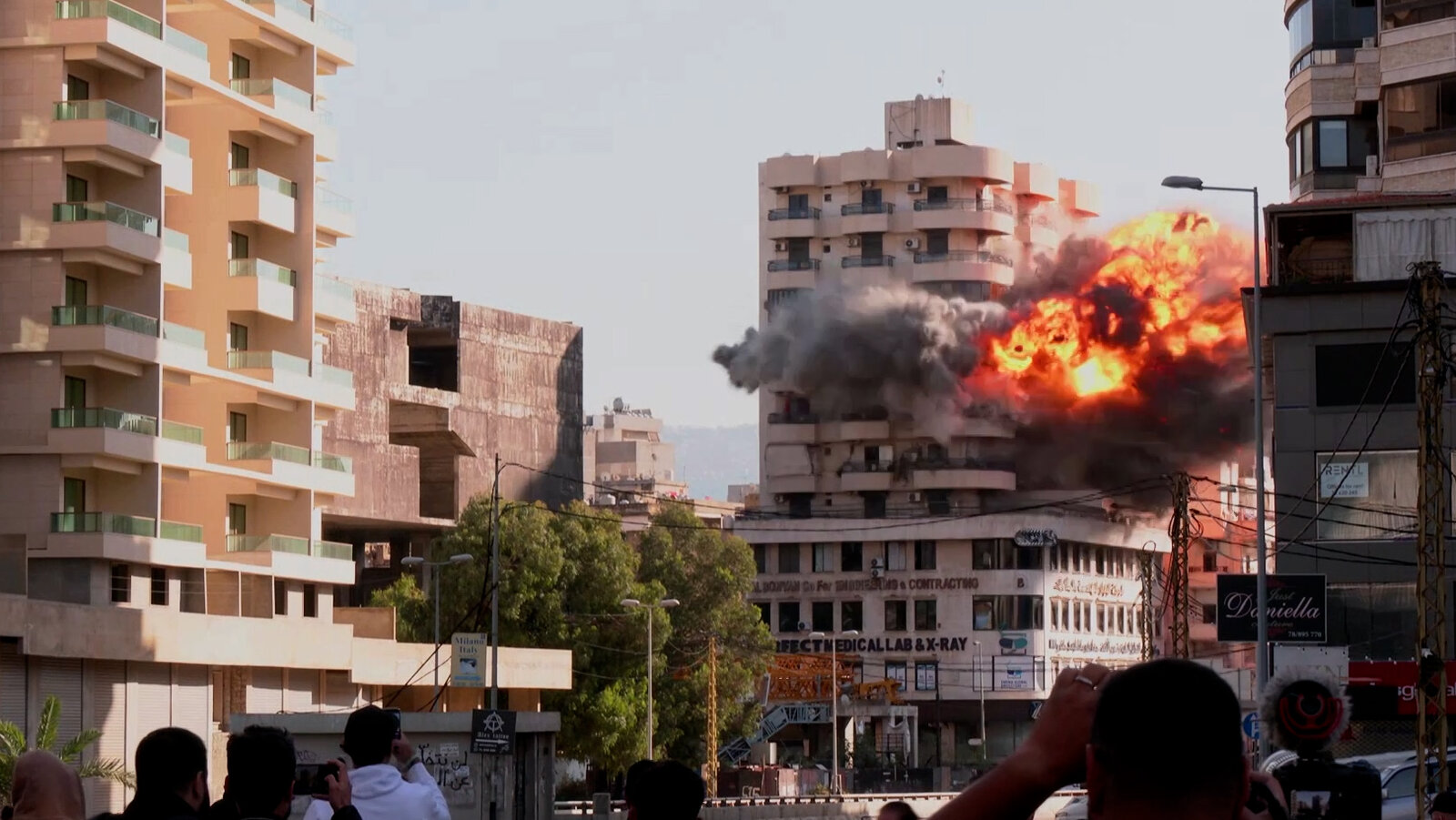
The death toll of Lebanese medics has risen to 53, following the killing of additional medics today due to ongoing Israeli airstrikes on Lebanon since March 2. These strikes, which have targeted multiple areas across the country, have resulted in the loss of many lives, raising concerns about the deteriorating humanitarian situation in Lebanon.
These events come at a sensitive time when Lebanon is grappling with severe economic and political crises, as the Lebanese people face significant challenges in accessing basic services. The airstrikes have directly impacted rescue teams, which have been striving to provide assistance to the wounded and injured in conflict zones.
Details of the Incident
Since March 2, Israeli forces have carried out a series of airstrikes targeting various regions in Lebanon, leading to the deaths of numerous civilians in addition to medics. Local sources have confirmed that the strikes have particularly targeted border areas, where rescue teams were positioned close to the clashes.
In the past two days, reports have emerged of additional medics being killed, heightening concerns about the safety of humanitarian workers. As the number of casualties rises, calls from human rights organizations and the international community to halt these airstrikes and ensure the protection of civilians are increasing.
Background & Context
Historically, Lebanon has witnessed recurring conflicts with Israel, where airstrikes have been part of the ongoing dispute between the two sides. Since 2006, when the Second Lebanon War erupted, Israeli airstrikes have become a component of the Israeli military strategy against what it perceives as security threats.
In recent years, tensions in the region have escalated due to the Israeli-Palestinian conflict, exacerbating the conflicts in Lebanon. This has led to a worsening humanitarian situation in the country, where the population suffers from severe shortages of resources and basic services.
Impact & Consequences
The repercussions of these airstrikes extend beyond Lebanese borders, affecting the stability of the entire region. With the rising number of casualties, fears of a larger escalation in the conflict are growing, which could have negative implications for regional security.
The loss of medics also increases pressure on Lebanon's healthcare system, which is already facing multiple crises. The continuation of airstrikes could exacerbate health and humanitarian conditions, necessitating urgent international intervention.
Regional Significance
These events serve as a wake-up call for neighboring Arab countries, reflecting the fragility of security conditions in the region. The escalation of violence in Lebanon could lead to unforeseen consequences for neighboring states, necessitating greater coordination among Arab nations to address common challenges.
Moreover, the situation in Lebanon highlights the urgent need for international support for humanitarian efforts, as there must be an immediate response to protect civilians and provide assistance to those affected by the conflict.
In conclusion, the killing of 53 medics in Lebanon as a result of Israeli airstrikes reflects the tragic humanitarian dimensions of the ongoing conflict. The international community must act swiftly to ensure the protection of civilians and provide the necessary support to those affected.