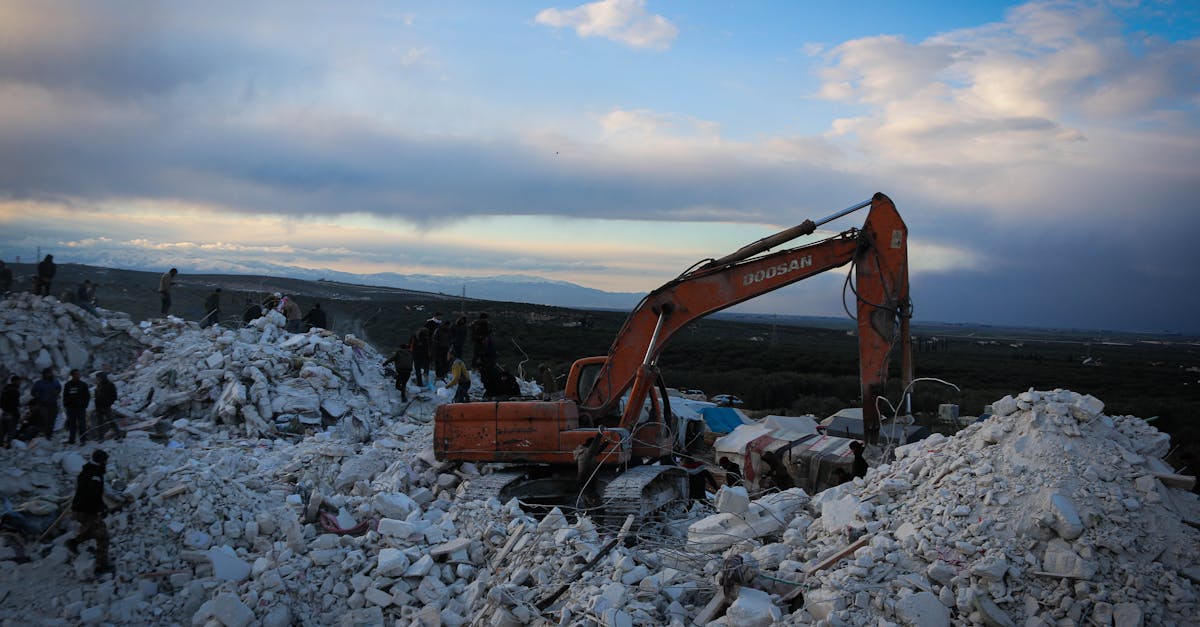
The Israeli airstrikes targeting the Lebanese capital, Beirut, and other regions have led to the deaths of 89 individuals and injured 700 more, as reported by the Lebanese government. These operations come at a sensitive time, as the Israeli military stated it has targeted approximately 100 military sites and infrastructure belonging to Hezbollah, in what is considered an unprecedented operation since the conflict between the two parties began.
Tensions in the region are escalating, with a noticeable increase in hostilities along the Lebanese-Israeli border. The Israeli airstrikes occur amidst rising military actions, raising concerns about their impact on civilians and infrastructure in Lebanon.
Details of the Incident
The Israeli military confirmed that it targeted military sites belonging to Hezbollah, indicating that these airstrikes are part of a large-scale military operation aimed at undermining the party's capabilities. In response, the Lebanese government condemned these airstrikes, highlighting the devastating impact they have had on civilians.
Reports indicate that many of the victims are civilians, complicating the humanitarian situation in Lebanon. Hospitals are under significant pressure due to the influx of injured individuals, as medical teams strive to provide necessary care under difficult conditions.
Background & Context
Historically, Lebanese-Israeli relations have been marked by ongoing tensions, particularly following the conflict that erupted in 2006. Hezbollah, which is considered a political and military force in Lebanon, is often in conflict with Israel, leading to repeated military escalations.
In recent years, fears of a new war between the two sides have increased, especially with the rise in military activities along the border. The political situation in Lebanon, which is grappling with economic and political crises, further complicates the landscape.
Impact & Consequences
The recent military operations may exacerbate the humanitarian conditions in Lebanon, where the country is already suffering from multiple crises. The Israeli bombardment could contribute to increased internal displacement, placing additional pressure on the Lebanese government.
Moreover, these events may affect regional relations, as neighboring countries closely monitor the situation. The military escalation could lead to external interventions, further complicating the crisis.
Regional Significance
The military operations in Lebanon could impact stability across the Arab region as a whole. The rising tensions between Israel and Hezbollah may reflect on the situations in neighboring countries such as Syria and Palestine.
Additionally, the humanitarian impact of these events may prompt international community intervention, potentially leading to diplomatic pressures on the involved parties. Under these circumstances, hope remains for a peaceful resolution that ensures regional stability.