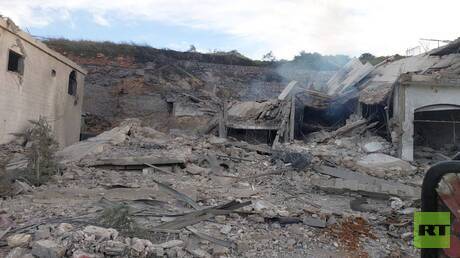
Israeli airstrikes have continued in southern Lebanon since this morning, leading to the death of 9 individuals and injuring 15 others. These attacks come amid rising tensions in the region, with Hezbollah announcing its targeting of an Israeli military unit in the eastern Khiam area.
The Israeli strikes have targeted residential areas, resulting in civilian casualties and raising concerns about the deteriorating humanitarian situation. Local sources reported that the bombardment targeted areas close to the border, increasing fears of a larger escalation in the conflict.
Details of the Attacks
These airstrikes coincide with a noticeable military escalation, as Israeli warplanes have conducted multiple strikes on various regions, causing significant destruction to property. Some residents confirmed that the strikes focused on border areas, reflecting the potential for further escalation in the conflict.
In response, Hezbollah announced its targeting of an Israeli military unit, highlighting the escalating military tensions between the two sides. These events occur at a sensitive time when the international community is seeking peaceful solutions to the ongoing conflict.
Background & Context
The history of the conflict between Israel and Lebanon spans decades, with the region witnessing numerous wars and armed conflicts. Since 2006, when the Second Lebanon War broke out, tensions between Israel and Hezbollah, one of the prominent armed factions in Lebanon, have not ceased. These events reflect the ongoing struggle that impacts stability in the region.
The backdrop of this conflict includes various geopolitical factors, including the influence of regional powers and the longstanding grievances that fuel animosity between the parties involved. The situation remains precarious, with potential repercussions for neighboring countries.
Impact & Consequences
The military escalation could have serious implications for regional security, potentially leading to a full-scale war in the area. Furthermore, the continued Israeli airstrikes may exacerbate the humanitarian conditions in Lebanon, where residents are already suffering from shortages of basic resources. It is crucial for the international community to intervene and pressure the involved parties to halt the escalation and seek peaceful resolutions.
As the situation develops, the humanitarian impact on the civilian population will likely worsen, necessitating urgent international attention and assistance. The need for dialogue and negotiation remains paramount to avoid further deterioration of the situation.
Regional Significance
These events highlight the rising tensions in the Middle East and their impact on regional security. The ongoing conflict not only affects Lebanon and Israel but also has broader implications for stability in the region, potentially drawing in other nations and complicating diplomatic efforts.
In conclusion, the current situation underscores the urgent need for diplomatic engagement and conflict resolution strategies to prevent further violence and address the humanitarian crisis facing the affected populations.