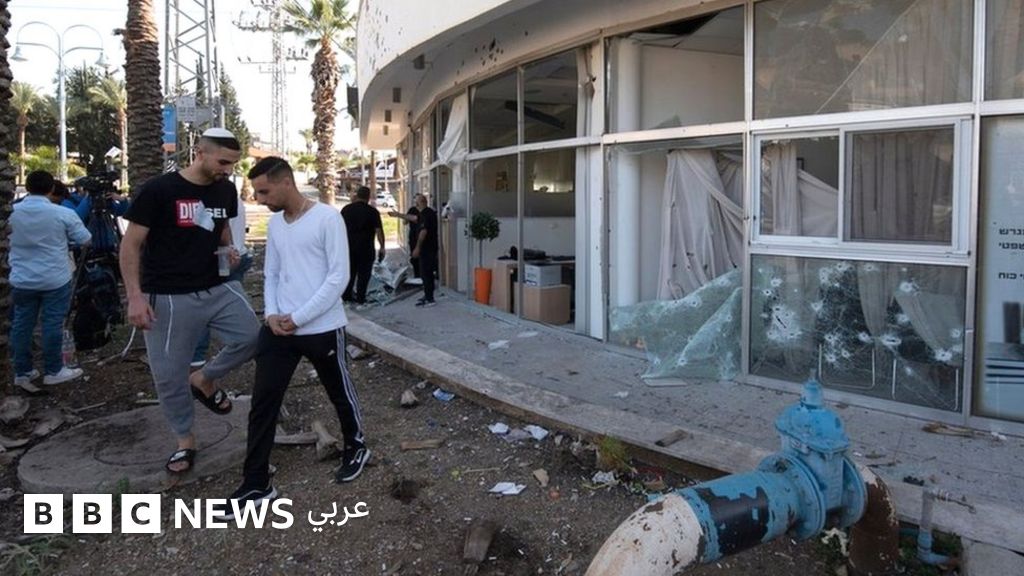
The Lebanese National News Agency announced today that a civilian was killed and four others were moderately injured due to Israeli airstrikes targeting the Shabiah area in Tyre, southern Lebanon. The attack, which took place late last night, also resulted in significant damage to a residential area, reflecting escalating tensions in the region.
Reports indicated that the Israeli strikes targeted critical infrastructure in the area, destroying the Qaqiya Bridge located over the Litani River. This bridge represents one of the main routes connecting villages in the Tyre region with the northern parts of the country.
Details of the Incident
The strike on Shabiah was not the first of its kind in recent days, as the area is facing ongoing escalation from Israeli forces, which use airstrikes as a means to pressure armed factions in Lebanon, specifically Hezbollah. This attack comes at a time when security and economic conditions in Lebanon are worsening, exacerbating the suffering of the Lebanese people who are experiencing multiple crises.
It is worth noting that Israeli airstrikes have focused on sites considered by Tel Aviv to be related to Lebanese resistance, but they often result in damage to civilian infrastructure, creating panic among the residents. The destroyed bridge was used by citizens to access essential services such as schools and hospitals.
Context and Background
The southern region of Lebanon is known for its ongoing tensions due to the historical conflict between Israel and Hezbollah, which began in 1982. The strained relations between the two sides have remained unstable since then, even after the introduction of Resolution 1701 in 2006, which ended the war between them. Nevertheless, Israeli violations of Lebanese airspace have not ceased, which are considered a breach of Lebanese sovereignty.
In recent years, daily life in Lebanon has experienced sharp fluctuations, with internal crises coinciding with external threats. Lebanon is grappling with a suffocating economic crisis, which has made living conditions difficult for millions of citizens, making any escalation in conflict with Israel an additional threat and compounding the suffering of the people.
Impact and Consequences
This violent incident has raised new fears within the Lebanese community and beyond concerning the ability of a troubled government to protect its citizens. These airstrikes exemplify potential shifts in Israeli military strategies, which may enhance current conflicts in the region.
Besides the humanitarian consequences, these incidents impact the stability of the Middle East, as they may contribute to escalating tensions among armed and military factions, potentially leading to a new round of hostilities, whether in Lebanon or neighboring countries.
Impact on the Arab Region
The Israeli strikes in Lebanon are part of a larger cycle of conflict in the Middle East that involves many countries. Reactions to these airstrikes are not limited to Lebanon, but extend to various Arab nations that are concerned about the security and stability of the region.
These provocations are likely to reignite the debate over the effectiveness of diplomacy in addressing crises, and may be met with international and regional criticism regarding human rights violations in the affected areas.
In conclusion, the international community must take effective steps to address such violations and work towards finding solutions for the multiple conflicts in the region to ensure the stability and security of all citizens.