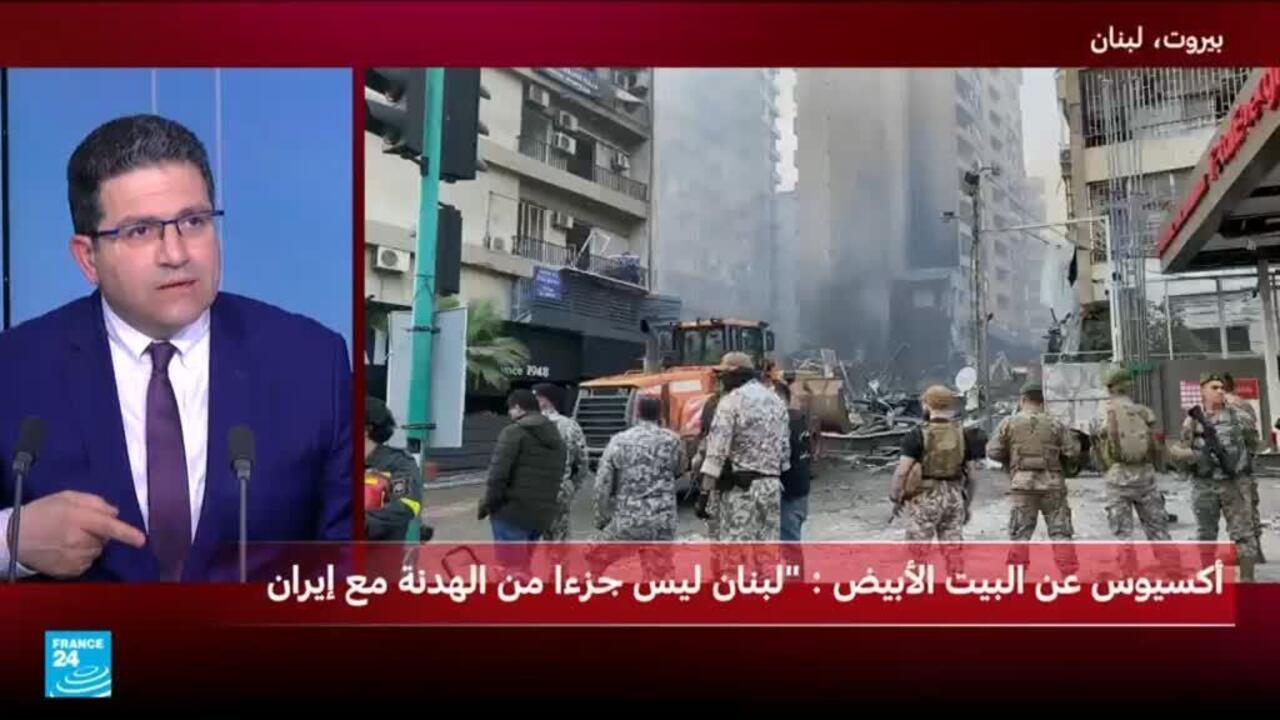
The Lebanese government reported that dozens of people were killed and hundreds injured across the country on Wednesday due to a series of Israeli airstrikes targeting the capital, Beirut, and other areas. These strikes are considered the most intense since the outbreak of war between Israel and Hezbollah, escalating tensions in the region.
In a related context, Israel announced that Lebanon is not part of the ceasefire agreed upon between the United States and Iran, which was announced last night. The Israeli state reaffirmed its commitment to the ceasefire, raising questions about the security situation in Lebanon and its impact on civilians.
Details of the Incident
Israeli airstrikes on Lebanon continue, leading to the destruction of numerous buildings and infrastructure. Initial reports indicated that the strikes targeted residential areas, resulting in civilian casualties. The Lebanese government condemned these attacks, deeming them a blatant violation of national sovereignty.
At the same time, White House spokesperson Caroline Levitt confirmed that Lebanon is not included in the ceasefire agreement, indicating that the military situation in Lebanon will remain tense. This statement reflects the U.S. position supporting Israel in the ongoing conflict.
Background & Context
Historically, Lebanon has experienced multiple conflicts with Israel, especially since 2006 when a devastating war broke out between Hezbollah and Israel. Since then, the Lebanese-Israeli border remains a zone of constant tension, with repeated clashes and airstrikes.
These events come at a sensitive time, as international pressures on Iran increase due to its nuclear activities and support for Hezbollah. This situation reflects the intertwining of regional crises and their impact on security in Lebanon.
Impact & Consequences
Political circles expect these airstrikes to lead to further escalation in the conflict between Israel and Hezbollah, potentially negatively affecting Lebanon's stability. Additionally, the continuation of bombings may exacerbate the humanitarian situation, as Lebanon is already suffering from a severe economic crisis.
The current situation in Lebanon is part of a broader struggle between regional powers, with the United States and Iran playing pivotal roles in shaping the course of events. This conflict could lead to unforeseen repercussions for regional security.
Regional Significance
Events in Lebanon directly affect neighboring countries, potentially causing new waves of displacement and refugee crises. Moreover, rising tensions may impact relations between Arab states and Iran, complicating the political landscape in the region.
In conclusion, the situation in Lebanon remains under observation, with analysts expecting Israeli airstrikes to continue in the absence of any comprehensive ceasefire agreement. These events highlight the urgent need for diplomatic efforts to resolve the conflict and achieve stability in the region.