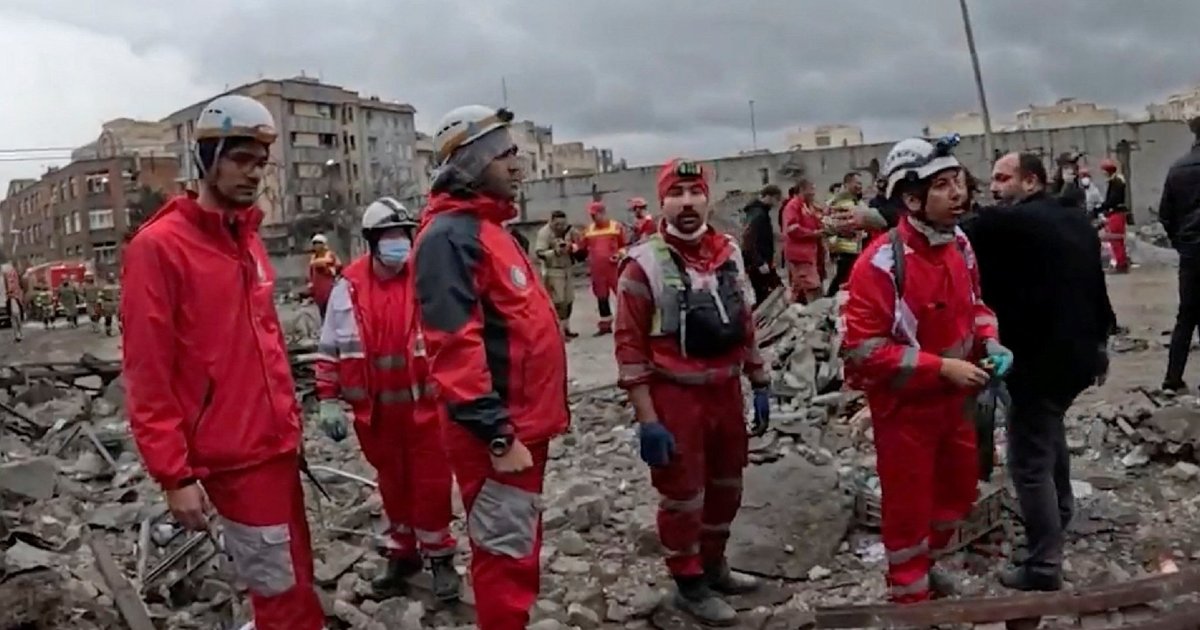
Israeli airstrikes have resulted in the deaths of at least eight people in southern Lebanon, targeting residential areas in the towns of Najaria and Srifa. According to initial reports from the Lebanese National News Agency, five people were killed in the first strike that targeted a house in Najaria, while another strike resulted in the deaths of three people and injuries to 19 others in Srifa.
These airstrikes come at a sensitive time, as the region is witnessing an escalation of tensions between Israel and Hezbollah, raising fears of a larger escalation in the ongoing conflict. The Lebanese government has condemned these strikes, emphasizing the need to protect civilians and halt hostilities.
Details of the Incident
In detail, the National News Agency reported that the first strike targeted a house in the town of Najaria, leading to the deaths of five individuals, including women and children. In Srifa, the second strike targeted a residential area, resulting in three deaths and injuries to 19 others, some of whom are in critical condition.
These airstrikes are part of a series of attacks carried out by Israel against targets in Lebanon, aimed at undermining Hezbollah's capabilities. Reports indicate that these attacks are part of an Israeli policy intended to prevent any potential threats from the Lebanese side.
Background & Context
Historically, relations between Lebanon and Israel have been marked by increasing tensions, especially following the 2006 war that devastated much of Lebanon's infrastructure and resulted in significant human losses. Since then, the conflict between the two sides has persisted, with Israel accusing Hezbollah of preparing offensive operations against it, while Hezbollah maintains that its presence is essential for protecting Lebanon from Israeli aggression.
In recent years, tensions in the region have intensified, particularly following an increase in Israeli military activities in Lebanese airspace, prompting strong reactions from the Lebanese government and Hezbollah. These events reflect the tense situation in the region, where political and security interests are intricately intertwined.
Impact & Consequences
Analyses suggest that these airstrikes may lead to a greater escalation in the conflict between Israel and Hezbollah, which could negatively impact the security situation in Lebanon. Additionally, these events could affect regional stability, potentially leading to international or regional interventions in the conflict.
These airstrikes are likely to increase tensions between Lebanon and Israel, opening the door for further military operations from both sides. International reactions to these strikes will be closely watched, as some countries may call for restraint and avoidance of escalation.
Regional Significance
These events are part of the larger picture of conflicts in the Arab region, where local disputes intersect with international interests. The rising tensions between Israel and Hezbollah could affect the relationships between Arab countries and Israel, especially amid attempts by some Arab nations to normalize relations with Israel.
Ultimately, these airstrikes serve as a reminder of the ongoing tensions in the region, necessitating effective steps from the international community to halt escalation and protect civilians. The situation in Lebanon requires special attention from Arab countries and the international community to ensure that conditions do not worsen.