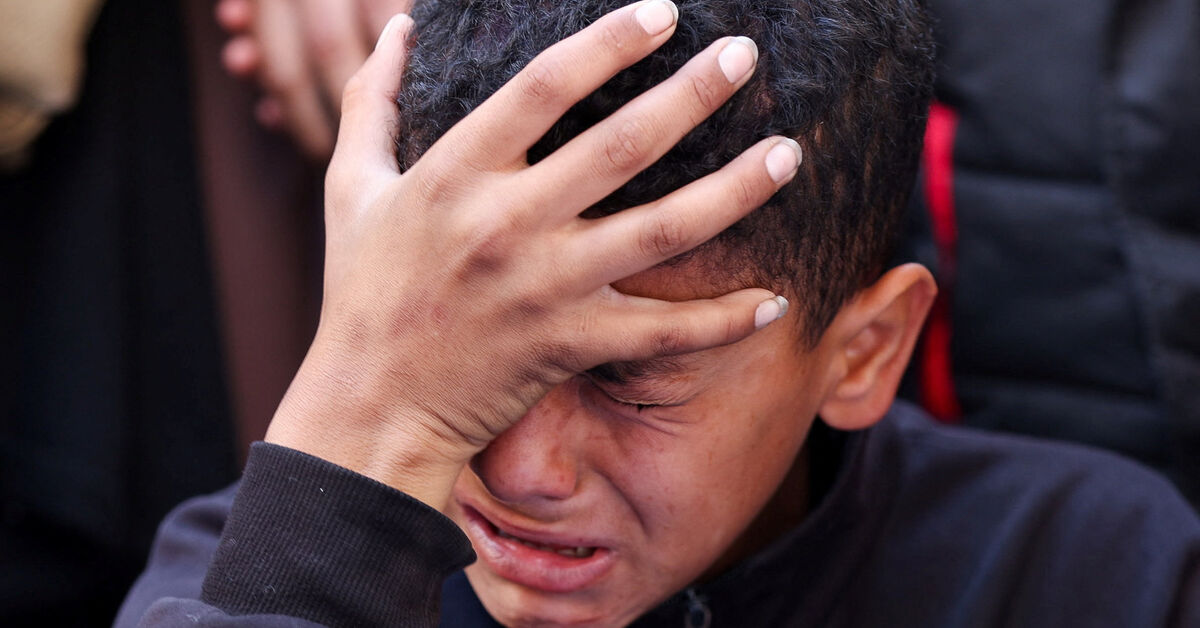
An Israeli airstrike resulted in the deaths of three Palestinians in the Gaza Strip on Monday, according to local health officials. The strike, which occurred in the Al-Zeitoun neighborhood of Gaza City, came at a sensitive time as tensions in the region have escalated following more than five months of a U.S.-brokered ceasefire.
Paramedics reported that the airstrike also injured two other individuals. No immediate comment was issued by the Israeli side regarding the incident, adding to the ambiguity surrounding the reasons for the recent escalation.
Details of the Incident
In the details of the incident, Israeli warplanes targeted a group of Palestinians in the Al-Zeitoun neighborhood, an area known for its high population density. The airstrikes come amid rising tensions between Israel and Palestinian factions, with both sides recently engaging in intensified military movements.
This escalation follows a period of relative calm, during which there were hopes for achieving security stability after the ceasefire brokered by the United States. However, the security situation in the region appears to remain fragile, raising concerns about a potential resurgence of violence.
Background & Context
Historically, Gaza and the West Bank have experienced ongoing escalations of violence between Palestinians and Israelis, with airstrikes and military operations occurring periodically. Since the year 2000, the region has witnessed numerous wars and conflicts, resulting in the loss of thousands of lives and the destruction of infrastructure.
The recent ceasefire reached in late 2022 aimed to reduce violence and provide a safer environment for both Palestinians and Israelis. However, recent events suggest that these hopes may be elusive, as attacks and military responses continue to escalate.
Impact & Consequences
Analysis of this escalation indicates that the increasing violence could exacerbate the humanitarian situation in Gaza, which is already suffering from a suffocating blockade. Additionally, the escalation may impact future peace efforts, potentially leading to a loss of trust between the involved parties.
These events are likely to provoke international reactions, as many countries and humanitarian organizations closely monitor the situation. Such developments may require new diplomatic interventions to prevent further escalation.
Regional Significance
This escalation in Gaza and the West Bank has direct implications for neighboring Arab countries, as concerns grow over the potential influx of Palestinian refugees into adjacent nations. The deteriorating security situation could also affect regional stability, raising alarms among Arab governments.
Calls are increasing from various Arab nations and the international community to pressure Israel to halt the escalation and return to the negotiating table. The continuation of violence could worsen humanitarian and political crises in the region.