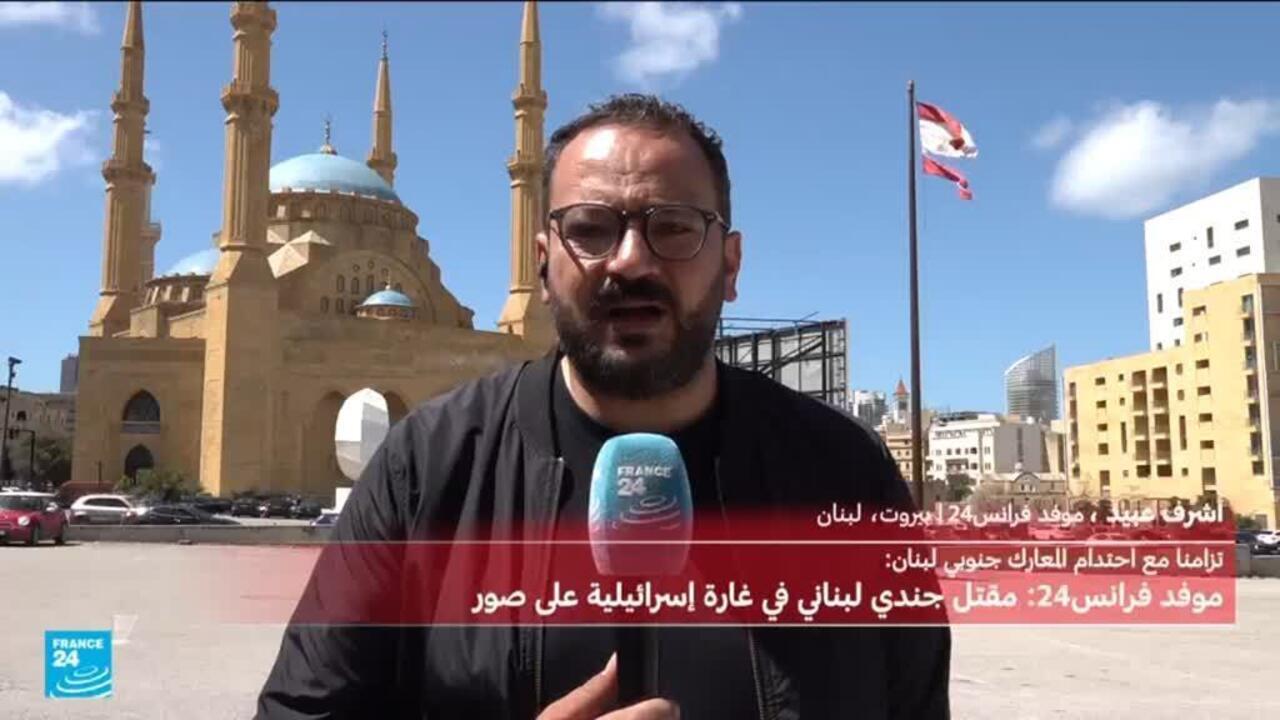
Israeli military operations have resumed in Lebanon, with airstrikes resulting in the death of a Lebanese soldier in the Tyre area, reflecting the escalating tensions in the region. Indonesia has also confirmed the death of one of its soldiers serving in the United Nations Interim Force in Lebanon (UNIFIL) due to indirect artillery fire.
In detail, the Israeli airstrikes targeted a Lebanese Army checkpoint, leading to the death of one military personnel, while Israeli forces continue to penetrate several towns in the south. This escalation comes as Hezbollah continues to claim responsibility for attacks against Israeli positions, announcing its targeting of the Galilout intelligence base in the suburbs of Tel Aviv.
Incident Details
Indonesia confirmed that the soldier who was killed was part of the Indonesian battalion under UNIFIL, with the attack occurring near Adchit al-Qusayr on March 29. This incident reflects the risks faced by UN forces amid the escalating conflict in the region.
On the other hand, the Israeli army announced the death of one of its soldiers and serious injuries to another, raising the number of Israeli soldiers killed in the ongoing war to six. This military escalation occurs at a sensitive time, with growing fears of the conflict expanding in the region.
Background & Context
Historically, Lebanese-Israeli relations have been marked by ongoing tensions, especially since the 2006 war. Hezbollah, considered a major force in Lebanon, adopts a resistance strategy against Israel, complicating the security situation in the region. The recent Israeli airstrikes come in the context of Israel's attempts to limit Hezbollah's influence, which it views as a threat to its national security.
Additionally, UN forces play a crucial role in maintaining stability in southern Lebanon, but the escalation of conflict makes it difficult for them to carry out their missions effectively. The increase in attacks on their positions reflects the challenges they face under the current circumstances.
Impact & Consequences
The military escalation in Lebanon has significant implications for regional security. The deaths of soldiers, whether from the Lebanese army or UN forces, heighten tensions and complicate peace efforts in the area. Furthermore, the continuation of military operations could lead to greater escalation, threatening Lebanon's stability and increasing civilian suffering.
Moreover, the escalation may affect international relations, as external powers might intervene to support one of the parties, further complicating the situation. The international community is closely monitoring the situation and urging restraint from all parties involved.
Regional Significance
The impact of events in Lebanon extends to neighboring Arab countries, as any escalation could have repercussions on regional security. Arab nations, already grappling with internal and external conflicts, may find themselves in a difficult position if the conflict expands.
Additionally, the situation in Lebanon could affect reconciliation efforts in the region, as the ongoing conflict may hinder any attempts to achieve peace and stability. It is crucial for Arab countries to enhance dialogue and cooperation to prevent worsening conditions.
In conclusion, the situation in Lebanon remains complex, requiring joint international and regional efforts to achieve peace and stability. The current military escalation highlights the urgent need for negotiation and dialogue among all concerned parties.